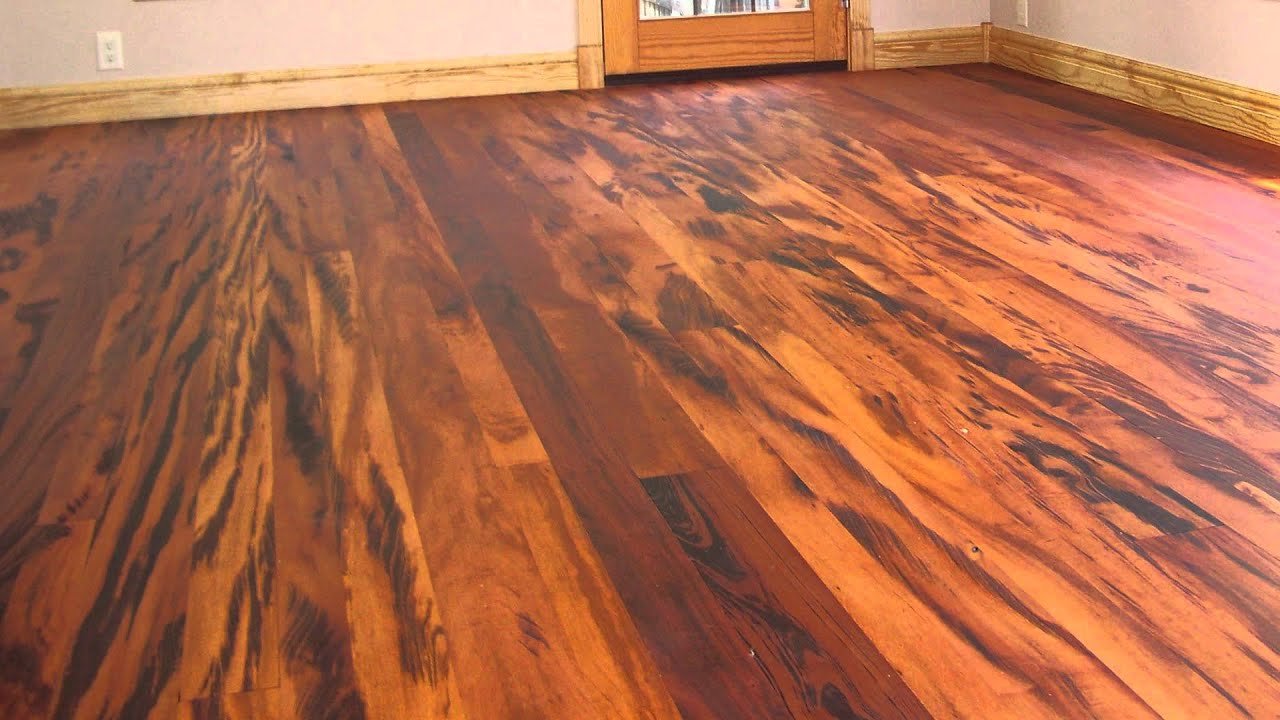
New floors? That's awesome! Maybe you're eyeing some gorgeous hardwood flooring, or perhaps you've been chatting with local flooring suppliers about what would work best. Here's the thing though – the real magic happens before anyone shows up with tools and materials. It's kind of like baking a cake. You can't just throw ingredients together and hope for the best, right?
My neighbor down the street in Georgia learned this the hard way last spring. She figured the installation crew would take care of everything. Spoiler alert: they didn't. She ended up scrambling around moving furniture while the workers waited. Not ideal! So let me share what I've learned about getting your space truly ready.
Why Bother With All This Prep Work?
Picture trying to write neatly on crumpled, dirty paper. Frustrating, isn't it? Your floors need that same kind of blank slate to turn out right. When you've done the prep work properly, installers can zip through their job efficiently. Your new floors will hold up better over time. Plus, you'll dodge those annoying problems that pop up later.
I've talked to several professional installers around Georgia. They all say the same thing – a properly prepared room cuts their work time dramatically. Sometimes by half! That translates to less chaos in your home and possibly some savings on labor costs too.
Get Everything Out of There
This sounds simple enough, but trust me, people always forget stuff. Everything means everything – couches, tables, lamps, that random plant in the corner, and yes, even what's lurking in your closets.
Set up a temporary home base somewhere else. Your garage works great for this. Another spare room could do the trick too. Grab some boxes and label them clearly. Future you will be grateful when it's time to put things back where they belong. Got massive furniture that makes you break a sweat just thinking about moving it? Round up some friends with pizza as payment. Or spring for professional movers for a couple of hours.
Wall stuff needs to come down too. Pictures, mirrors, that cool tapestry you bought last year – take it all down. Installation shakes things up literally. You don't want your wedding photo taking a dive onto the floor.
What About Those Old Floors?
Old floors need to go before new ones arrive. Pretty straightforward concept. But here's what varies – who actually does the removing? Some flooring providers bundle removal into their package deal. Others expect you to handle that part yourself. Definitely clarify this upfront to avoid surprises.
Taking up old carpet yourself? Start by slicing it into strips you can actually carry. Roll those babies up and haul them outside. There's padding underneath too, don't forget about that. And those metal tack strips lining the edges? Seriously sharp! Gloves are your friend here. Georgia has its own rules about dumping old flooring materials, so check what your local area requires before making a trash pile.
Vinyl or laminate removal needs a pry bar and lots of patience. Go slowly. You really don't want to mess up what's underneath during this step.
Inspect What's Hiding Below
Now that old flooring is history, time to play detective with your subfloor. Walk around the entire room. Listen carefully for creaking sounds. Push down in various spots checking for areas that feel spongy or bounce back weird. These problems absolutely must get fixed before moving forward.
Your subfloor needs to be level. This matters tremendously, particularly with hardwood flooring. Grab yourself a long level or straightedge. Run it across different sections looking for valleys and hills. Minor bumps can usually be smoothed out with leveling compound. It's basically like spackle but for floors instead of walls.
Discovered water damage? Stop immediately and deal with that first. Installing beautiful new floors over moisture issues makes about as much sense as using an umbrella with holes in it. Georgia's humidity makes this extra important. Moisture problems here can really wreak havoc.
The Baseboard Dilemma
Here's something that catches people off guard – what should happen with your baseboards? Two main options exist here. You can remove them completely before installation starts. Or leave them right where they are and add quarter-round trim on top later.
Taking baseboards off gives you that sleek, professional appearance. But it's definitely more work and requires being careful. Going this route? Use painter's tape to label every single piece. Write where it came from on the tape. Think of it like creating a puzzle map – "north wall section one, north wall section two" and so on down the line.
Time for Serious Cleaning
Everything's cleared out and fixed up? Excellent! Now comes the cleaning marathon. Sweep that subfloor like your life depends on it. Then vacuum every single inch of it. Hunt down each piece of dust, every forgotten staple, every tiny nail fragment hiding in corners.
This step feels tedious, I won't lie. But it's genuinely crucial for your beautiful new floors. Any junk left underneath can create squeaky spots later. It can make surfaces uneven. It can even cause premature wearing and damage. You're building the foundation that everything else rests on. Make it count!
Run your hand slowly across the surface when you think you're done. Does it feel completely smooth and clean? No grit at all? Perfect, you're ready to move on.
Letting Materials Get Comfortable
Most flooring needs time settling into your home's vibe before installation. Temperature matters. Humidity levels matter. This is especially true for hardwood flooring because wood naturally expands and shrinks with environmental shifts.
Get your materials delivered several days early. Three days minimum works well for most stuff. Stack everything properly in the actual room where it'll be installed. Make sure air can circulate around the materials. Keep your thermostat steady between 65 and 75 degrees. Installing during Georgia's sweltering summer? Crank that AC to maintain comfortable, consistent conditions.
Shield the Rest of Your Place
Installation generates dust and mess. There's simply no avoiding this reality. Seal off your work zone from other areas using plastic sheeting draped in doorways. Cover up air vents and return grates so dust doesn't hitchhike through your entire house via the HVAC system.
Build protected walkways from your front door to the installation room. Drop cloths work great for this. Cardboard in a pinch does the job too. Installers will be trekking back and forth constantly. You definitely don't want them leaving dirty footprints through your whole house.
Dealing With Life During Construction
New floor installation throws your regular routine completely out of whack. Got pets? They need alternative arrangements during this circus. All that noise will seriously stress them out. Plus curious cats or dogs wandering into the work area creates problems nobody wants.
Plan easy meals requiring minimal kitchen access if that's your installation zone. Maybe this is the perfect excuse to finally check out those restaurants you've been meaning to try! Order some takeout. Keep it simple and stress-free.
Give your neighbors fair warning about the upcoming project. This matters especially in apartments or townhouses where sound travels. They'll appreciate knowing why things might get loud for a few days.
Twenty-Four Hours and Counting
Do one final inspection walkthrough the day before your installation date. Make absolutely certain everything is genuinely ready to go. Confirm your appointment timing with the installation team. Verify they'll have clear, easy access getting into your home. Some companies arrive with pretty sizable trucks that need parking space. Check that adequate room exists nearby.
Snap some before pictures from different angles around the room. You'll love having these for comparison afterward. They're also super helpful if any questions or issues pop up during the actual installation process.
You're All Set!
Proper preparation completely transforms what could be a nightmare into something surprisingly smooth and successful. Does it require effort upfront? Absolutely. But that effort delivers massive payoffs – quicker installation, superior results, and floors that'll look fantastic for many years ahead.
Remember something important here. Quality flooring suppliers genuinely want your project going well just as much as you do. Never hesitate asking them preparation questions. They've encountered every possible scenario imaginable. They can provide valuable advice specific to your particular situation and needs.
Tags : hardwood flooring Flooring