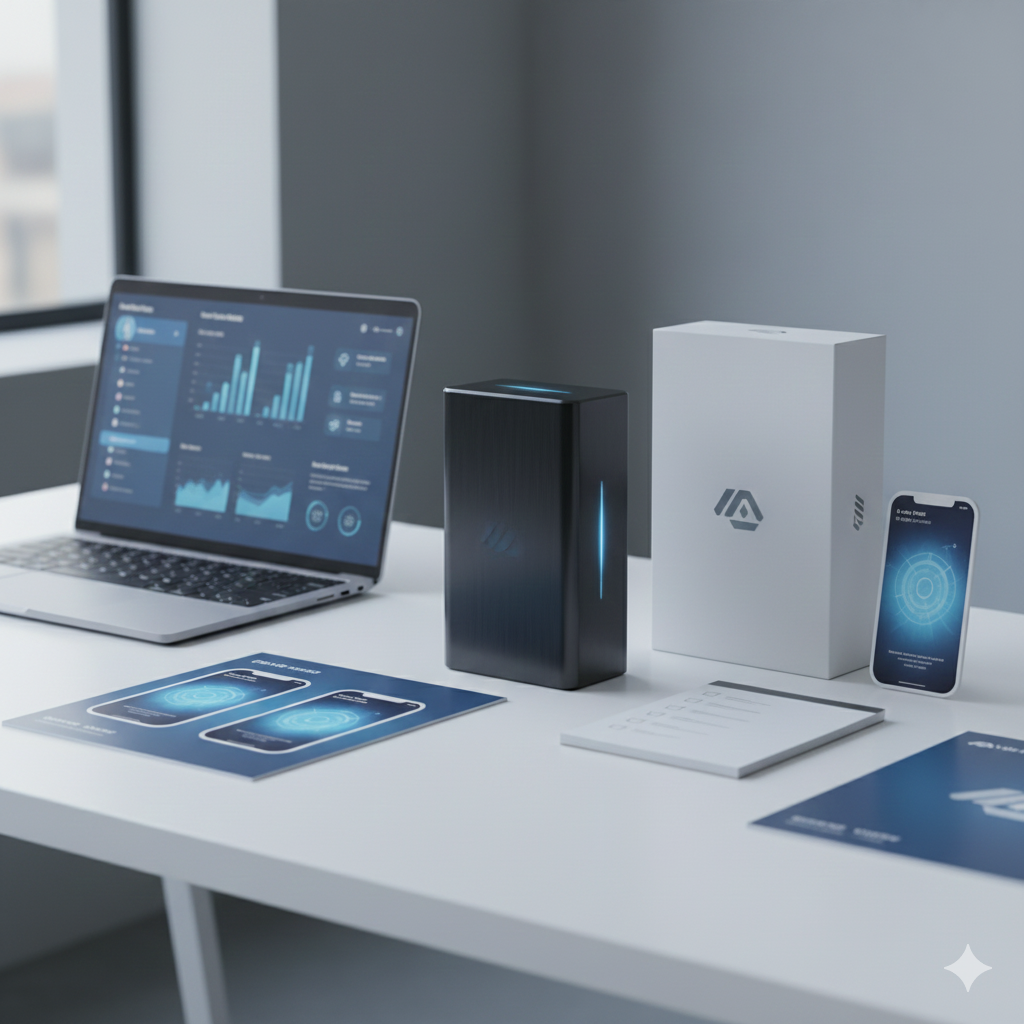
Any successful launch is a prelude to the introduction of a new product. Statistics indicate that 70-95 percent of product failures occur due to the failure of the company to follow simple steps in launching the new product. This guide deals with definite steps that can be taken. These steps can be applied to new gadgets, accessories, and related devices.
Define Clear Goals and Understand Your Audience
Begin by having objectives for your product launch plan. Establish sales objectives for the first month and the first quarter. Establish objectives of user feedback and turnover. Understand your product buyer. Develop a profile of your average customer. Record their age range, employment, and primary requirements. This will assist you in making the appropriate selections of channels and messages. An objective will allow you to remain on track throughout the product launch process.
Research the Market and Competitors Thoroughly
The research informs you of the place to place your product. So, research other similar gadgets and pricing trends. Read product reviews to know what customers like and do not like. Competitor launches can be tracked to understand what worked and what did not work. Simple tools such as store searches, public review sites, etc. Note down the key features that are mentioned by the customers as the most important.
Ensure Product Readiness and Safety Compliance
Safety of products cultivates reputation and power. Test your electronics when it is being used normally and when they are being used under stress. Ensure that batteries, plugs, and chargers are local standards. Test your entire electronic product first, before you intend to do any kind of public demonstrations.
Record well the results of tests and any fixes that you do. This will assist you in demonstrating product design and safety to partners, as well as regulators. A safe product minimizes returns and increases the post-launch reviews.
Focus on Design and Visual Appeal
Good design sells. Clean photos and simple video demos are to be used. Demonstrate the product in action on human beings. Store in a clean and protective package. The product should be packaged in a way that it is not damaged during shipping. Check the right package used for the product size and weight. Take into consideration the packaging that is easy to open and that makes a shelf appear modern. Your branding and packaging of your product are also a design issue. Maintain brand voice between images and labels.
Build a Compelling Brand Story and Messaging
A clear message makes a product easy to choose. Decide what one thing your product does best. Make that the headline for your launch. Use simple language that customers use in reviews and forums. Show the benefit more than the feature. Explain how the product solves a common problem. Keep messaging short and repeat it across marketing emails, social posts, and demo scripts. This consistency builds authority and trust.
Plan Pre-Launch Awareness
Start pre-launch work early. Create short videos and images for social channels. Build a mailing list for early adopters and offer limited pre-orders. Use these simple tactics to test interest. Below are quick pre-launch items that deliver fast feedback.
- Social teasers with clear product shots
- A one-page product preview on your site
- Early reviewer samples for trusted tech channels
- Pre-order incentives, like a small discount or a free accessory
These actions create momentum and produce early reviews. Early reviews help with electronics marketing and improve visibility before the full launch.
Prepare Distribution and Support Channels
Decide how you will ship and support the product. Select carriers that handle electronics with care. Create clear return and warranty policies. Train your support team on common issues and fixes. Prepare product guides and quick setup cards that you place inside the box. Make sure that your online store shows stock levels and shipping times.
You can use specialized suppliers to protect your product during transit. For example, you may need strong and custom boxes for fragile items. Consider how your choice of packaging affects customer experience and cost. Use trusted partners to avoid surprises in shipping and to reduce damage claims. Also, set up clear after-sales support so customers feel safe to buy.
Launch Event and Visual Demonstration
A visual demonstration helps buyers understand the product fast. Show how the product works in real life. Keep demo steps short and repeat them in the demo video. Use a clean background and clear lighting. Invite a few reviewers to test the product live. Record the demo and share short clips for social channels. Use captions on videos so viewers can watch without sound. A clear demo reduces confusion and lowers support requests after the launch. Plan the launch day with a schedule and assign roles. Share a single link for the launch page and keep it ready for traffic.
Product Branding and Packaging Choices
What your packaging is saying is quality. Use materials to suit your brand message. Identify major product specifications. Add safety information and contact information. Make the packing-out experience easy and pleasurable. This assists in branding and packaging of the products. Easy labels minimize unintentional returns and enhance consumer reviews. An attractive display would enhance the likelihood of the client posting the pictures on the Internet.
Custom packaging can add value to unboxing and branding. If you want premium options, consider custom electronic packaging boxes for branded designs and snug fits.
Post Launch Follow Up and Metrics
After the launch, track key metrics daily. Look at sales numbers, conversion rates, and return rates. Read customer reviews and record common comments. Use feedback to plan small updates or firmware fixes. Share updates with customers so they feel heard. Good post-launch care keeps users happy and reduces negative posts online. This step completes the product launch strategy and starts the product life cycle.
Quality Assurance and Continued Testing
Do not cease electronic product testing when the launch is made. Check whether there are problems with the fields, and take logs where feasible. Fix and update the documentation and update the demo materials. Maintain a list of test cases, and re-run them every time an update is made. This continuous effort is in line with your assertion that the product was designed and safe. It also prepares your support staff in advance with new questions.
Distribution Scale and Packaging Optimization
When demand is increasing, you have to scale distribution. Check the way packaging copes with large volumes. Select materials in bigger quantities. Monitor the rate of shipment damage and modify internal padding as necessary. Take data in the first month and improve the packaging size-weight. Optimal shipment reduces expenses, enhancing the bottom line.
Where to place the link for related supplies
You may need additional supplies for secure transit. If you look for options for shipping and kit supplies, search for electronic shipping boxes as part of your packaging checklist.
Conclusion
An effective product entry into the electronics market follows a number of steps. You need to have objectives, know the market, and validate product safety. You have to create images and messages that resonate with your audience. Distribution and support should be prepared in advance. You need to run a controlled launch with definite demos and measure post-launch results. Basic planning minimizes risk and generates trust. Data should be used to make small corrections and also to enhance the product and the process of launching it. The consistent emphasis on quality and effective communication provides your product with an excellent opportunity to succeed.