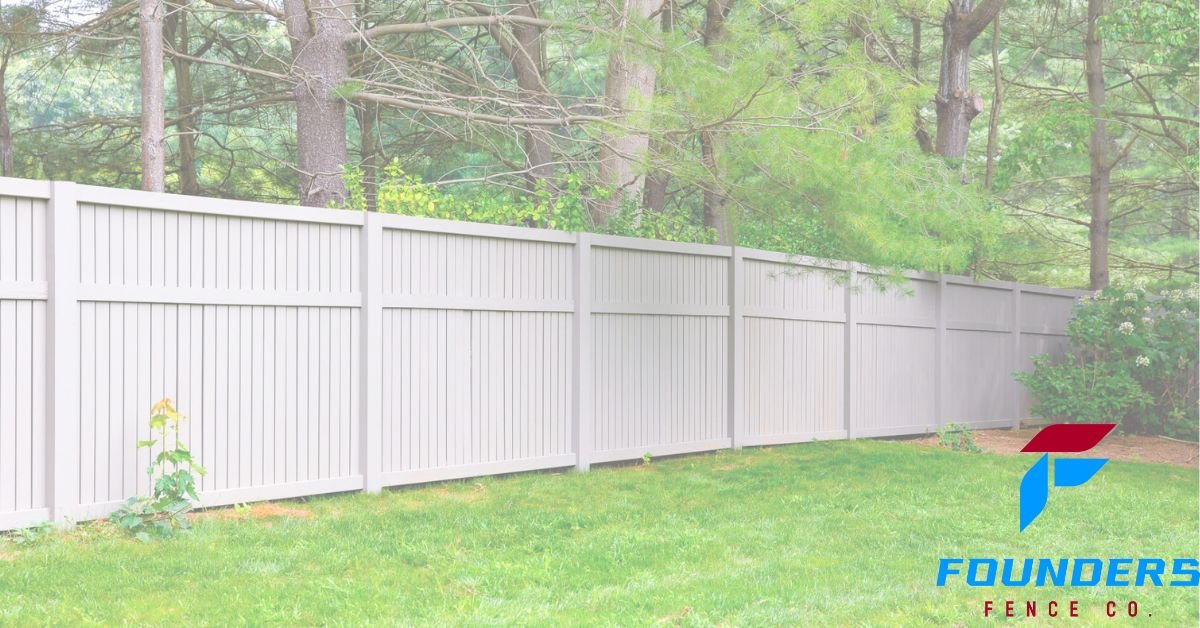
Completing a fence project is a great step toward improving privacy, security, and comfort on your property. However, the work doesn’t stop once the fence is installed. Proper care after Privacy Fence Installation plays a key role in maintaining appearance, strength, and long-term performance. In our experience, regular maintenance helps prevent small issues from turning into costly repairs.
Whether the fence is installed around a home, business, or shared property, understanding basic upkeep practices can significantly extend its lifespan.
Start With a Post-Installation Inspection
After installation, it’s important to inspect the fence thoroughly. Checking posts, panels, and fasteners early helps identify any minor adjustments that may be needed. Even professionally installed fences can benefit from a follow-up inspection once materials settle.
Look for loose connections, uneven alignment, or areas where the fence may be under extra stress. Addressing these early ensures the fence remains stable and visually consistent.
Clean the Fence Regularly
Routine cleaning is one of the simplest yet most effective maintenance steps. Dirt, dust, and debris can build up over time, especially on outdoor fencing exposed to weather and landscaping.
For most fence types, occasional washing with water and mild soap is enough. This keeps surfaces clean and helps prevent discoloration. Regular cleaning also allows you to spot early signs of wear or damage that may need attention.
Monitor Posts and Structural Support
Fence posts are the foundation of the entire system. Over time, soil movement, moisture, and temperature changes can affect stability. Periodically check that posts remain upright and secure.
If you notice leaning or shifting, addressing it quickly helps maintain the fence’s integrity. Strong post support ensures panels stay aligned and prevents long-term structural issues.
Inspect Panels and Privacy Elements
Privacy fencing often includes solid panels, slats, or screens designed to block visibility. These components should be checked regularly for signs of loosening, warping, or wear.
For properties using Privacy on Chain Link Fence solutions, inspect slats or screening materials to ensure they remain evenly attached and intact. Keeping these elements secure maintains both privacy and appearance without stressing the fence structure.
Address Weather-Related Wear
Weather exposure is a major factor in fence maintenance. Sun, wind, rain, and temperature changes can all impact materials over time. Some materials may fade, while others can expand or contract.
Being proactive helps reduce weather-related damage. After strong winds or storms, inspect the fence for movement or debris impact. Seasonal checks help ensure the fence remains durable throughout the year.
Manage Vegetation Around the Fence
Plants and landscaping can affect fence performance if not managed properly. Vines, shrubs, and tree branches may put pressure on panels or trap moisture against materials.
Keep vegetation trimmed and away from the fence line. This improves airflow, reduces moisture buildup, and prevents unnecessary strain on fence components. Proper landscaping maintenance supports both function and appearance.
Maintain Gates and Access Points
Gates are among the most frequently used parts of any fence system and often require extra attention. Hinges, latches, and alignment should be checked regularly to ensure smooth operation.
A gate that drags, sticks, or doesn’t close properly can place stress on surrounding panels. Simple adjustments and occasional lubrication help gates remain functional and secure.
Check for Signs of Wear Over Time
No fence is completely maintenance-free. Over time, materials may show signs of aging. Small issues like loose fasteners, minor bends, or worn components should be addressed promptly.
For fencing with added privacy features, such as Link Fence Privacy enhancements, consistent checks help ensure these additions continue to perform as intended without affecting the underlying structure.
Schedule Periodic Professional Reviews
While routine upkeep can be handled by property owners, periodic professional reviews can be beneficial. Experienced fencing professionals can spot issues that may not be immediately visible and recommend preventative solutions.
In our work, we’ve seen how early professional input can extend fence lifespan and reduce future repair costs. This approach supports long-term performance rather than reactive fixes.
Long-Term Benefits of Proper Maintenance
Consistent maintenance after Privacy Fence Installation offers several long-term benefits. A well-maintained fence retains its appearance, continues to provide privacy, and maintains property value. It also reduces the likelihood of major repairs or premature replacement.
Taking a proactive approach helps property owners get the most out of their fencing investment while ensuring safety and functionality remain intact.
At Founders Fence, we encourage property owners to view fence maintenance as an ongoing part of property care. Our focus is on helping clients understand how simple upkeep practices can protect their fencing systems over time.
Final Thoughts
Maintaining a fence after installation doesn’t have to be complicated. Regular inspections, basic cleaning, and timely adjustments go a long way in preserving performance and appearance. By staying attentive and addressing issues early, property owners can ensure their fence continues to deliver privacy, security, and reliability for years to come.
With the right care and informed maintenance, a privacy fence remains a valuable and lasting feature of any property.
Tags : .....