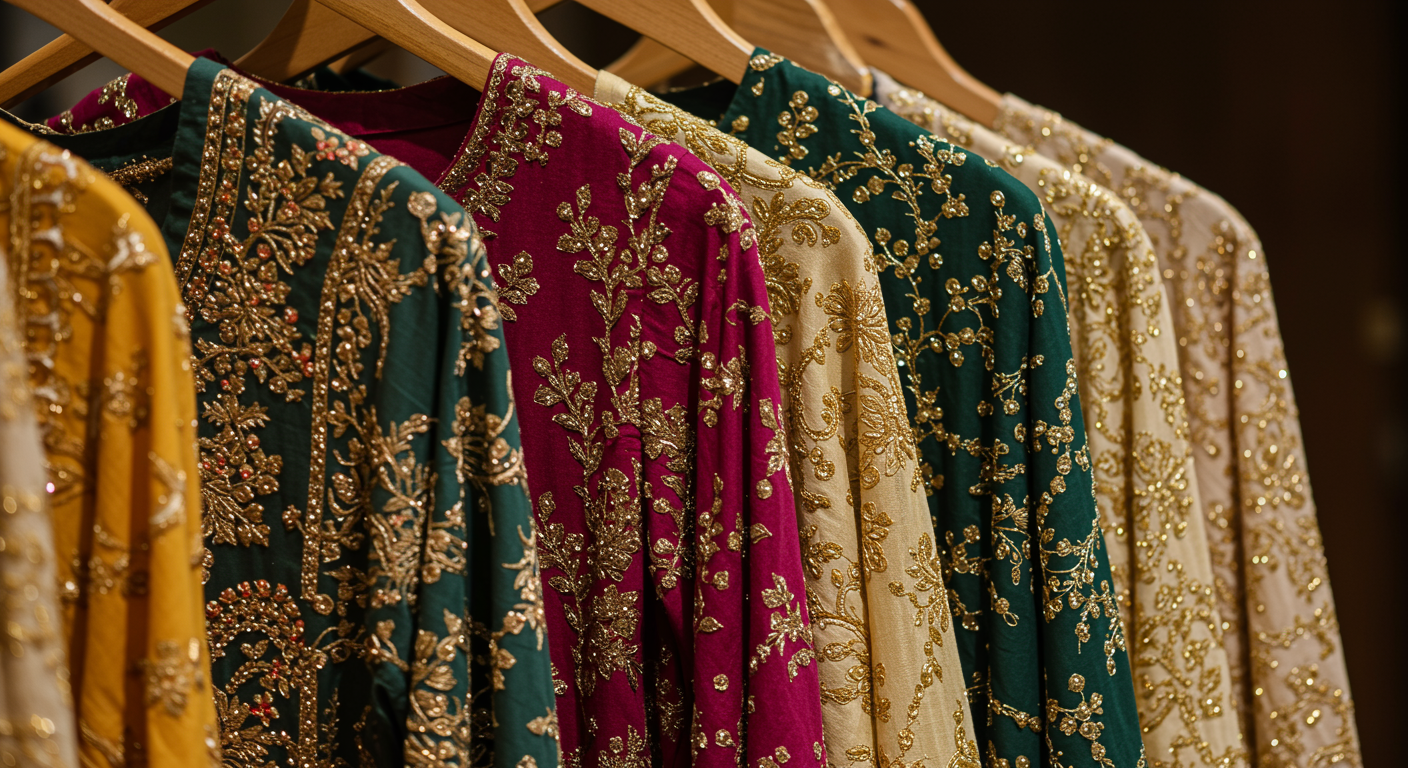
Designer Indian and Pakistani suits are more than just outfits—they are investments in craftsmanship, fabric quality, and timeless style. Whether it is a festive salwar kameez, an elegant lawn suit, or a premium designer kurti for women, proper care can keep your ethnic wear looking fresh and graceful for years.
Many people buy beautiful outfits featuring the latest kurti designs, but due to improper washing, storage, or handling, the fabric fades, embroidery loosens, or the shape gets spoiled. This guide explains simple, practical ways to maintain and care for your designer suits without stress.
Understand the Fabric Before Anything Else
Every ethnic outfit behaves differently depending on its fabric. Pakistani and Indian suits commonly use cotton, lawn, silk, chiffon, georgette, organza, and velvet.
Before caring for your outfit:
- Read the fabric label carefully
- Identify whether it is handloom, pure fabric, or blended
- Check if embroidery is hand-done or machine work
Knowing this helps you avoid damage from wrong washing or ironing methods.
Washing Designer Indian & Pakistani Suits the Right Way
Improper washing is the most common reason designer suits lose their charm.
General Washing Tips
- Avoid washing designer suits in a machine
- Prefer gentle hand wash or dry cleaning
- Use cold water to prevent color bleeding
- Never soak embroidered outfits for long
For Cotton and Lawn Suits
- Mild detergent only
- Wash separately for the first few washes
- Do not scrub embroidery or prints
For Silk, Chiffon, and Heavy Embroidery
- Always dry clean
- Avoid water contact as much as possible
- Wrap embroidery area in a cloth before giving for cleaning
This is especially important for party wear salwar kameez and festive designer kurti for women.
Drying: Small Mistake, Big Damage
Drying ethnic wear incorrectly can lead to fabric stiffness and color fading.
Follow these rules:
- Dry suits in shade, not direct sunlight
- Turn outfits inside out before drying
- Avoid hanging heavy suits when wet
- Lay flat for suits with heavy dupattas
Sunlight can weaken threads and dull the colors of even the latest kurti designs.
Ironing and Steaming Tips
Ironing without care can burn fabric or flatten embroidery.
Safe Ironing Practices
- Always iron inside out
- Use low to medium heat depending on fabric
- Avoid direct ironing on embroidery, sequins, or prints
- Use steam iron for better results
For delicate designer kurti for women, steaming is safer than direct ironing.
Proper Storage Matters More Than You Think
How you store your ethnic wear affects its life more than you imagine.
Storage Do’s
- Store in breathable cotton covers
- Keep suits folded neatly, not tightly packed
- Place tissue paper between folds
- Store dupattas separately to avoid pulling
Storage Don’ts
- Avoid plastic covers for long-term storage
- Do not hang heavy salwar kameez for months
- Avoid damp or humid storage areas
For embroidered Pakistani suits, occasional refolding prevents permanent crease lines.
Caring for Dupattas Separately
Dupattas are delicate and often the first to get damaged.
- Store chiffon and organza dupattas rolled instead of folded
- Avoid hanging heavy dupattas by one end
- Keep embellished dupattas away from sharp accessories
Taking extra care of dupattas keeps the entire salwar kameez set looking complete and polished.
Handling Embroidery, Zari, and Hand Work
Designer Indian and Pakistani suits often feature fine hand embroidery, mirror work, or zari.
To protect them:
- Avoid wearing heavy bags over embroidery
- Keep perfumes away from embroidered areas
- Do not fold directly on heavy work
- Check loose threads occasionally and fix early
These small habits help preserve premium designer kurti for women collections.
Seasonal Care Tips
Ethnic wear care also changes with seasons.
Summer Care
- Air out suits after wearing
- Avoid storing sweaty clothes directly
- Wash cotton suits regularly
Winter Care
- Keep suits away from heaters
- Store velvet and silk with silica gel packets
- Avoid moisture buildup
This is especially helpful when storing latest kurti designs for long periods.
Travel Care for Designer Suits
When traveling with ethnic wear:
- Wrap each suit in tissue paper
- Place heavier suits at the bottom of luggage
- Carry dupattas separately in zip pouches
- Steam outfits after reaching destination
This prevents wrinkles and embroidery damage during transit.
Quick Care Checklist
- Check fabric before washing
- Avoid machine wash for designer suits
- Dry in shade only
- Iron carefully or steam
- Store in breathable covers
- Handle embroidery gently
FAQs
1. Can I wash designer Indian and Pakistani suits at home?
Light cotton and lawn suits can be hand washed gently. Heavy embroidery and silk-based suits should always be dry cleaned.
2. How often should I dry clean a salwar kameez?
Only when necessary. Excessive dry cleaning can weaken fabric over time.
3. Is steaming safe for designer kurtis?
Yes, steaming is one of the safest methods for designer kurti for women, especially those with embroidery.
4. How do I prevent color fading in latest kurti designs?
Wash in cold water, avoid direct sunlight, and store away from heat and moisture.
5. What is the best way to store Pakistani suits long term?
Use cotton covers, tissue paper between folds, and store in a dry, cool place.
With the right care routine, your designer Indian and Pakistani suits can stay elegant, comfortable, and stylish for many years. Whether it is a festive salwar kameez or a graceful designer kurti for women, thoughtful maintenance ensures your ethnic wardrobe always looks its best.