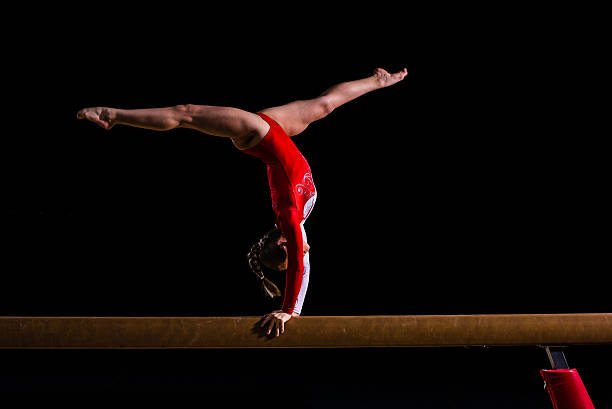
Improving a Gymnastics Beam routine requires precision, consistency, strength, and strong mental control. The beam is one of the most challenging apparatuses in artistic gymnastics because of its narrow surface and demand for flawless execution under pressure. Whether working towards competition level or refining personal performance, mastering the Gymnastics Beam can elevate overall gymnastics ability.
This guide explores practical, professional-level strategies to improve a Gymnastics Beam routine, with supporting training ideas that also connect with Gymnastics Bars work for well-rounded development. It also highlights how structured coaching and equipment support from AirTumble can enhance progression.
Understanding the Importance of the Gymnastics Beam
The Gymnastics Beam is not only about balance; it is about control, rhythm, posture, and confidence. Every movement must be intentional because even minor instability can affect execution scores.
A strong beam routine includes:
- Clean acrobatic skills
- Controlled dance elements
- Confident connections
- Stable landings
Developing excellence on the Gymnastics Beam requires consistent repetition of fundamentals alongside advanced skill development.

Build a Strong Foundation First
Before progressing to advanced combinations, a solid foundation is essential. This includes:
Balance and Core Strength
Core stability plays a major role in maintaining control on the Gymnastics Beam. Exercises such as hollow holds, plank variations, and single-leg balance drills help improve body awareness.
Alignment and Posture
Proper alignment reduces wobbling. Keeping hips square, shoulders aligned, and gaze steady enhances stability during beam routines.
Basic Beam Skills
Mastery of foundational movements such as:
- Straight jumps
- Split jumps
- Arabesques
- Basic walks and turns
These skills form the backbone of a confident Gymnastics Beam routine.
Improve Technique Through Repetition
Repetition is essential for muscle memory. Practising the same movement repeatedly helps develop automatic responses during performance.
To refine technique:
- Break skills into smaller phases
- Train slow-motion execution first
- Gradually increase speed and difficulty
Consistency builds familiarity with the Gymnastics Beam, reducing hesitation during routines.
Strengthen Performance with Gymnastics Bars Training
Training on Gymnastics Bars contributes significantly to beam improvement. Upper body strength, grip control, and coordination developed on bars support overall gymnastics performance.
Benefits of incorporating Gymnastics Bars training include:
- Improved shoulder stability
- Enhanced core engagement
- Better swing control and body tension
These elements transfer directly into beam work, especially during acrobatic elements and transitions on the Gymnastics Beam.
Focus on Balance and Control Drills
Balance training is essential for mastering the Gymnastics Beam. Simple but effective drills include:
- Single-leg holds with eyes forward
- Slow relevé walks along a straight line
- Controlled arabesque holds
- Beam mounts and dismount simulations on floor lines
These drills enhance proprioception, which is the body’s ability to sense positioning in space.
Develop Mental Strength and Focus
Mental preparation is just as important as physical ability. Confidence plays a huge role when performing on the Gymnastics Beam due to its narrow surface.
Effective mental strategies include:
- Visualisation of full routines before practice
- Controlled breathing techniques
- Positive self-talk
- Routine consistency during training sessions
A calm and focused mindset reduces performance anxiety and improves execution quality.
Perfect Connections in Your Routine
A professional-level Gymnastics Beam routine flows smoothly from one skill to another. Judging criteria often reward seamless transitions.
To improve connections:
- Practise linking dance and acrobatic elements
- Focus on maintaining speed without losing control
- Ensure landings naturally transition into the next movement
Strong connections make routines appear polished and confident.
Use Progressive Training Methods
Skill progression should follow a structured pathway:
- Floor practice of beam skills
- Low beam repetition
- Standard beam execution
- Competition simulation
This approach builds confidence gradually and reduces errors when performing on the full Gymnastics Beam.
Avoid Common Mistakes
Many gymnasts struggle due to avoidable errors such as:
- Looking down too frequently instead of focusing ahead
- Rushing through movements
- Lack of core engagement
- Poor landing control
Correcting these mistakes early improves long-term performance on the Gymnastics Beam.
Train with the Right Equipment and Support
High-quality equipment and structured coaching environments make a significant difference. AirTumble provides training solutions that support safe and effective progression in gymnastics.
Using reliable equipment helps gymnasts:
- Build confidence on beam simulations
- Practise skills safely
- Improve consistency through repetition
This support system allows steady improvement in both Gymnastics Beam and Gymnastics Bars disciplines.
Strength and Flexibility Balance
A successful Gymnastics Beam routine requires both flexibility and strength. Flexibility enhances lines and artistic presentation, while strength ensures stability.
Key training focus areas:
- Hamstring flexibility for leaps
- Shoulder mobility for balance skills
- Core strength for stability
- Ankle strength for secure landings
Balanced conditioning leads to smoother, more controlled routines.
Conclusion
Improving a Gymnastics Beam routine like a professional requires dedication, structured training, and attention to detail. By focusing on technique, balance, mental strength, and complementary training on Gymnastics Bars, overall performance improves significantly. With consistent practice and the right support from platforms such as AirTumble, gymnasts can develop stronger, more confident routines on the beam.
FAQ
What is the best way to improve balance on the Gymnastics Beam?
Regular balance drills such as single-leg holds, slow walks, and controlled poses help improve stability and confidence on the Gymnastics Beam.
How often should beam training be done?
Consistent practice several times a week is ideal for steady progress on the Gymnastics Beam, combined with conditioning and flexibility work.
Can Gymnastics Bars training help beam performance?
Yes, Gymnastics Bars training builds upper body strength, core control, and coordination, all of which support better performance on the beam.
How important is mental focus in beam routines?
Mental focus is essential. Confidence, visualisation, and concentration significantly affect performance quality on the Gymnastics Beam.
What role does AirTumble play in gymnastics training?
AirTumble provides equipment and training support that helps gymnasts practise safely, improve technique, and develop confidence across both beam and bar disciplines.
Tags : Gymnastics Beam Gymnastics Bars