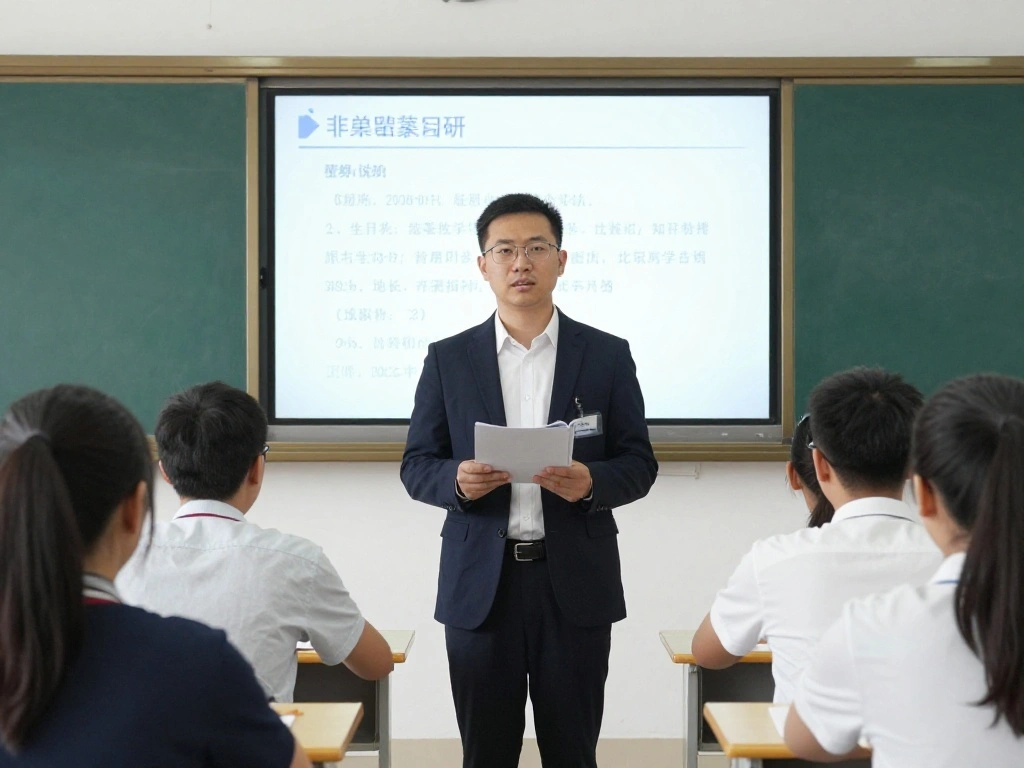
Learning Chinese can open doors to new academic, travel and career opportunities. Mandarin Chinese is spoken by more than a billion people around the world. It is also becoming a useful skill for students who want to work in international business, technology, education or finance.
However, learning Chinese is different from learning many European languages. The writing system, tones and sentence structure can take time to understand. Chinese language tutors can make this process easier.
Whether you are a beginner, GCSE student, A-Level learner or an adult learner, the right tutor can give you clear guidance and regular practice.
Why Learn Chinese in the UK?
Chinese is one of the world's most widely spoken languages. For UK students, learning Mandarin can also support future education and career plans.
Some students choose Chinese because they have an interest in Chinese culture. Others want to prepare for university or improve their language skills before travelling.
Learning Chinese can help develop:
- Listening and communication skills
- Memory and concentration
- Cultural awareness
- Confidence in speaking
- Understanding of another writing system
- International communication skills
For students studying Chinese as part of their school curriculum, tutoring can also provide extra support outside the classroom.
What Does a Chinese Language Tutor Teach?
A Chinese tutor can help learners develop all four major language skills: speaking, listening, reading and writing.
Beginners normally start with pronunciation and basic vocabulary. Mandarin uses four main tones, so pronunciation needs regular practice. A tutor can listen to a student's speech and correct mistakes early.
Lessons may also cover:
- Pinyin and pronunciation
- Mandarin tones
- Everyday vocabulary
- Chinese grammar
- Sentence construction
- Reading Chinese characters
- Writing characters
- Listening exercises
- Conversation practice
- Chinese culture and customs
The content should match the student's level and reason for learning.
A child learning Chinese for the first time will need a different approach from an A-Level student preparing for examinations.
Chinese Tutors for GCSE and A-Level Students
UK students studying Chinese at GCSE or A-Level often need more than general conversation practice.
They may need help with specific examination skills. These can include reading comprehension, listening tasks, writing and speaking.
A tutor familiar with the relevant UK curriculum can help students understand what examiners expect. They can also identify weak areas and provide targeted exercises.
For example, a student may understand Chinese vocabulary but struggle to form accurate sentences. Another student may speak confidently but find written Chinese difficult.
Regular assessment can help identify these gaps.
A useful tutor should not simply give students more worksheets. They should explain why an answer is correct and show students how to improve.
Online Chinese Language Tutors
Online tutoring has become a practical option for students across the UK.
Students can attend lessons from home without travelling to a tuition centre. This can make it easier to fit lessons around school, university and other commitments.
Online lessons can include:
- Live conversation practice
- Shared documents
- Digital flashcards
- Reading exercises
- Pronunciation practice
- Homework feedback
- Mock speaking sessions
The quality of the lesson still depends on the tutor. A reliable internet connection and a quiet learning environment also help.
Parents should check whether the tutor has experience teaching online before booking regular lessons.
How to Choose a Chinese Language Tutor
Choosing a tutor should not be based only on price. Teaching experience, subject knowledge and communication style are also important.
Consider the following points before making a decision.
1. Check Teaching Experience
Ask how long the tutor has been teaching Chinese. Experience with learners of the same age can be particularly useful.
Teaching young children requires a different approach from teaching adults.
2. Look at Qualifications
Qualifications can provide useful evidence of a tutor's subject knowledge and teaching background.
For school students, it is also worth checking whether the tutor understands the relevant GCSE or A-Level requirements.
3. Ask About Lesson Structure
A good lesson should have a clear purpose.
Ask what happens during a typical session. You should understand how the tutor introduces new material, provides practice and checks progress.
4. Consider the Student's Level
A beginner should not be placed in advanced lessons. Equally, an experienced learner may become frustrated if every lesson covers basic vocabulary.
The tutor should assess the student's current level and adapt lessons accordingly.
5. Look for Regular Feedback
Progress is easier to measure when students receive useful feedback.
A tutor should explain mistakes clearly and suggest practical ways to improve.
How Much Do Chinese Language Tutors Cost in the UK?
Chinese tutoring prices vary across the UK.
Several factors can affect the cost. These include the tutor's experience, qualifications, lesson length, location and whether lessons are online or face-to-face.
Specialist GCSE and A-Level tutoring may also cost more than general beginner lessons.
Before booking, check exactly what is included in the price. Some tutors include homework, learning resources and progress reviews, while others charge separately for additional services.
How Often Should You Have Chinese Lessons?
There is no single schedule that works for every learner.
A beginner may benefit from one or two lessons each week. The important point is consistency.
Language learning also requires practice between lessons. Students can spend a few minutes each day reviewing vocabulary, listening to Mandarin or practising characters.
For exam preparation, students may need more frequent sessions as examinations approach.
Short, regular practice is often more useful than studying for several hours once a week.
Making Progress Beyond the Tutor's Lessons
A tutor provides guidance, but independent practice is still important.
Students can improve their Chinese by using the language outside lessons.
Useful activities include:
- Listening to simple Mandarin podcasts
- Watching Chinese videos with suitable subtitles
- Keeping a vocabulary notebook
- Practising Chinese characters
- Reading short Chinese texts
- Speaking with other learners
- Reviewing previous lesson notes
The goal is to make Chinese part of your regular routine.
Final Thoughts
Finding the right Chinese language tutor can make learning Mandarin more structured and manageable. The best tutor is not necessarily the one with the lowest price or the longest list of qualifications.
Look for someone who understands the learner's goals, explains difficult topics clearly and provides regular feedback.
For UK students, curriculum knowledge is particularly important when preparing for GCSE or A-Level Chinese. For beginners and adult learners, conversation skills and practical communication may be more important.
Take time to compare tutors, ask about their teaching approach and consider starting with a trial lesson. A good match can make a significant difference to both confidence and long-term progress.
Tags : Chinese Language Tutor