Introduction
Choosing the right office space is one of the most important decisions for any business. A workspace is more than just a place where employees sit and work — it directly affects productivity, collaboration, employee satisfaction, client perception, and overall business growth. As companies continue shifting toward flexible and scalable work environments, the demand for modern private offices has increased rapidly.
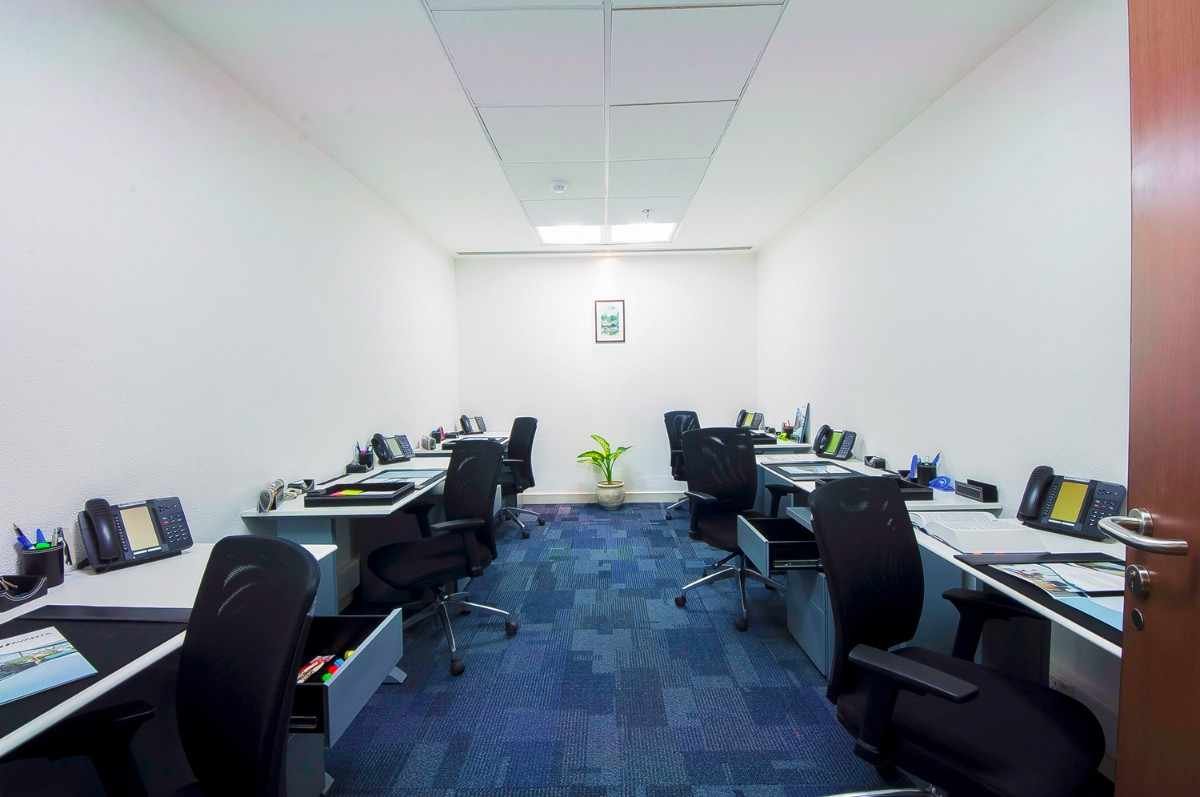
Today, businesses of all sizes are exploring Private Office Space solutions because they offer a balance between privacy, professionalism, and operational flexibility. Unlike open coworking areas, private offices provide dedicated work environments where teams can focus, collaborate, and operate without unnecessary distractions.
However, selecting the right office space is not always simple. Businesses need to consider multiple factors such as location, office size, infrastructure, budget, scalability, amenities, and long-term operational requirements. Choosing the wrong office can lead to productivity issues, employee dissatisfaction, and unnecessary expenses.
In this article, we’ll explain how businesses can choose the right private office space for their teams, what factors matter most, and how modern office solutions can support long-term business growth.
Why Private Office Spaces are Becoming More Popular
The way businesses work has changed significantly in recent years. Traditional office leases with fixed long-term commitments are no longer suitable for every company, especially startups and growing businesses.
Modern businesses now prioritize:
- Flexibility
- Cost efficiency
- Employee comfort
- Scalability
- Professional infrastructure
This shift has increased the popularity of private office spaces. Companies want dedicated work environments without the burden of managing office operations independently.
A Private Office Space provides businesses with:
- Dedicated office areas
- Better privacy
- Improved team collaboration
- Professional business environments
- Flexible lease options
For many companies, this combination makes private offices a practical and future-ready workspace solutions.
Understand Your Team’s Workspace Needs
Before choosing an office space, businesses should first understand the specific needs of their team. Every company operates differently, and workspace requirements can vary depending on industry, work culture, and operational goals.
For example, a creative agency may need collaborative work zones and meeting rooms, while a legal or finance company may prioritize privacy and quiet environments.
Businesses should evaluate:
- Team size
- Daily workflow
- Collaboration requirements
- Meeting frequency
- Client interaction needs
- Future expansion plans
Understanding these factors helps businesses select office spaces that improve productivity and employee satisfaction rather than creating operational challenges later.
Choose the Right Office Location
Location plays a major role in selecting the ideal office space. A well-connected office improves convenience for employees, clients, and business partners.
An office located in a strong commercial area can also enhance a company’s professional image and business credibility.
When evaluating office locations, businesses should consider:
- Accessibility through metro and public transport
- Nearby restaurants and business services
- Parking availability
- Commute convenience for employees
- Proximity to clients or business hubs
Although premium locations may involve higher costs, they often provide better visibility, networking opportunities, and accessibility.
The right office location can positively influence employee retention, client relationships, and operational efficiency.
Evaluate Office Size Carefully
Choosing the correct office size is essential. A workspace that is too small can create discomfort and reduce productivity, while an excessively large office may increase unnecessary expenses.
Businesses should choose office spaces that comfortably accommodate current teams while also leaving room for future growth.
When evaluating office size, consider:
- Number of employees
- Required meeting spaces
- Collaboration areas
- Storage requirements
- Future hiring plans
Modern workspace providers often offer scalable office solutions that allow businesses to expand without relocating completely.
This flexibility is especially beneficial for startups and rapidly growing teams.
Prioritize Office Infrastructure and Amenities
The quality of office infrastructure directly affects employee productivity and overall work experience. A modern Private Office Space should provide professional infrastructure that supports daily operations efficiently.
Reliable internet connectivity is one of the most important requirements for modern businesses. Teams depend on stable internet for communication, cloud-based work, virtual meetings, and collaboration tools.
Businesses should also evaluate:
- Ergonomic furniture
- Air conditioning
- Power backup
- Security systems
- Meeting rooms
- Reception services
- Printing and scanning facilities
Well-maintained office infrastructure creates a comfortable and productive work environment while reducing operational stress.
Consider Privacy and Security Requirements
Privacy is one of the main reasons businesses choose private offices over shared coworking setups. Companies handling confidential client information, financial records, or sensitive business discussions often require controlled work environments.
A private office should provide:
- Controlled access
- Secure internet connectivity
- Soundproof meeting rooms
- Data privacy support
Security becomes even more important for industries such as finance, legal services, consulting, healthcare, and technology.
Choosing an office with strong security measures helps businesses protect sensitive information and maintain professional standards.
Flexibility Matters for Growing Businesses
Modern businesses operate in rapidly changing environments. Team structures, project requirements, and operational goals can evolve quickly, making flexibility extremely important.
Traditional office leases often involve long-term contracts that may limit scalability. Flexible private office providers solve this problem by offering adaptable office plans.
Businesses can often:
- Increase office capacity
- Upgrade to larger cabins
- Add meeting room access
- Adjust lease durations
This flexibility allows businesses to scale according to growth without major operational disruption.
For startups and remote-first companies, flexible office arrangements provide better financial control and reduced business risk.
Understand the Total Cost of Office Space
Many businesses focus only on monthly rent while choosing office spaces. However, operational costs can significantly increase overall expenses.
When evaluating a Private Office Space, businesses should understand whether pricing includes:
- Internet
- Utilities
- Maintenance
- Housekeeping
- Meeting room access
- Security
- Reception services
Fully managed office spaces may initially appear more expensive, but they often reduce hidden operational costs and administrative responsibilities.
Transparent pricing helps businesses manage budgets more effectively and avoid unexpected expenses later.
Importance of Employee Comfort and Work Environment
Employee well-being directly affects productivity, motivation, and retention. A poorly designed workspace can negatively impact team performance and overall workplace morale.
Modern employees value:
- Comfortable seating
- Proper lighting
- Clean office environments
- Collaborative spaces
- Breakout areas
A positive work environment helps teams stay engaged and motivated throughout the workday.
Businesses should choose office spaces that support both productivity and employee comfort to create healthier workplace experiences.
Why Businesses Prefer Fully Managed Private Offices
Fully managed office solutions have become increasingly popular because they simplify office operations. Instead of spending time handling maintenance, utilities, security, and administrative tasks, businesses can focus entirely on work and growth.
Managed office providers usually handle:
- Office maintenance
- IT support
- Utilities
- Cleaning services
- Reception management
This reduces operational complexity and allows businesses to operate more efficiently.
For many companies, managed private offices provide the perfect balance between flexibility and professionalism.
Pros and Cons of Private Office Spaces
Private office spaces offer several advantages for businesses. They provide privacy, dedicated work environments, better team collaboration, and professional office infrastructure. Businesses also benefit from improved productivity and flexible workspace solutions.
However, private offices may cost more than open coworking desks. Smaller teams with minimal office requirements may initially find coworking solutions more affordable. Some premium locations may also involve higher monthly pricing.
Despite these considerations, private offices remain one of the most effective workspace solutions for businesses seeking professionalism, scalability, and operational convenience.
FAQs
What is a Private Office Space?
A private office space is a dedicated office environment used exclusively by a business or team within a managed workspace or commercial office setup.
Why should businesses choose private offices?
Private offices provide better privacy, security, collaboration, and productivity compared to open workspaces.
Are private offices suitable for startups?
Yes, many startups choose private offices because they offer flexibility, scalability, and professional infrastructure.
What amenities are included in private office spaces?
Most private offices include internet, furniture, utilities, maintenance, meeting room access, and security services.
How do I choose the right office size?
Businesses should select office spaces based on current team size while considering future growth and operational needs.
Conclusion
Choosing the right Private Office Space is an important decision that can directly impact productivity, employee satisfaction, and long-term business growth. Businesses should carefully evaluate factors such as location, office size, flexibility, infrastructure, privacy, and operational costs before making a decision.
Modern private office solutions offer businesses a professional and scalable work environment without the challenges of managing traditional office infrastructure independently. Whether you are a startup, growing business, remote team, or established company, the right office space can improve collaboration, strengthen brand image, and support operational efficiency.
As work culture continues evolving, private office spaces are becoming one of the most practical and future-ready workspace solutions for modern businesses.