How to Choose the Right Piano Lessons for Your Goals, Age, and Experience
By Jane Rochstad 03-07-2026 86
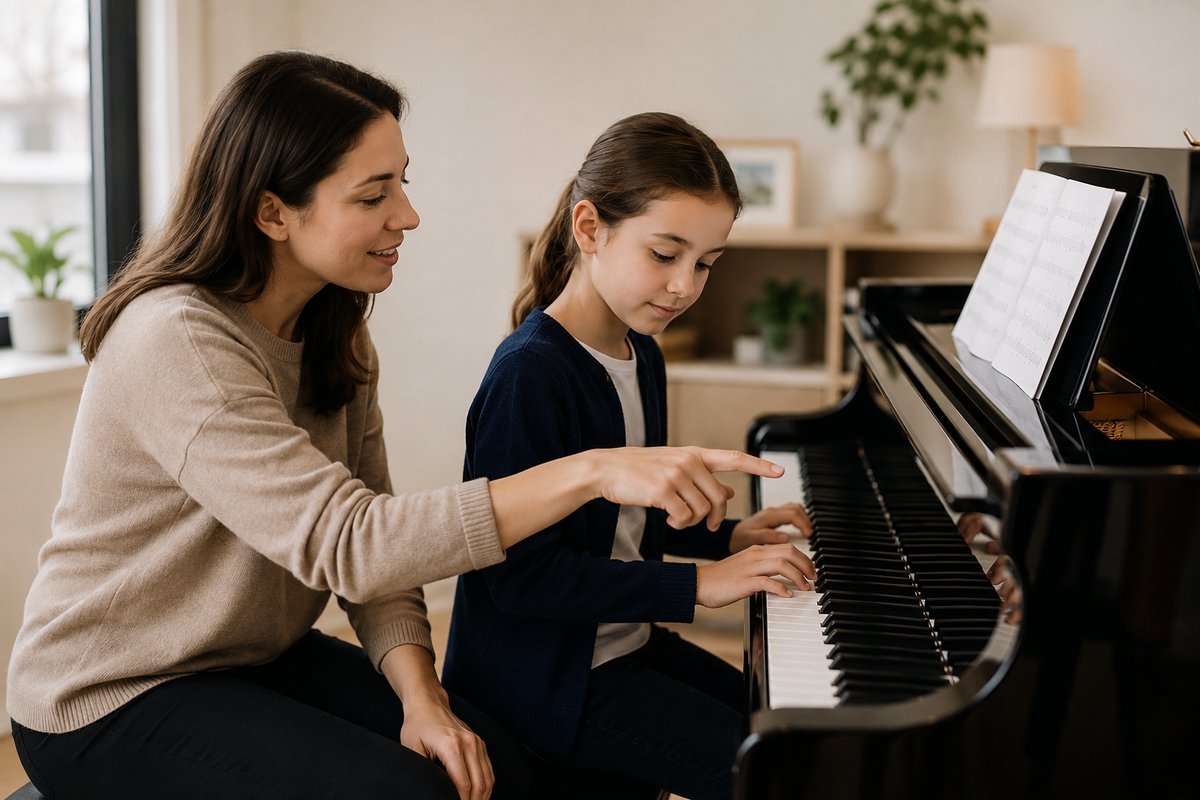
Learning to play the piano is a rewarding experience that can enrich your life in countless ways. Whether you are hoping to play your favourite songs, prepare for formal music examinations, or simply develop a new hobby, selecting the right piano lessons is one of the most important decisions you'll make. The right teacher and learning environment may make the difference between a rewarding long-term journey and losing motivation after only a few lessons.
Today, there are more learning options than ever before. Traditional face-to-face tuition, online lessons, group classes and hybrid learning programs each offer unique benefits. Rather than choosing the first option you find, it is worth taking time to understand which style of learning best matches your goals, experience level and lifestyle.
If you're researching different ways to begin learning music, you may also enjoy browsing the education and lifestyle articles available on The Consumers Feedback, including their Education category.
For readers interested in consumer advice when choosing services, the site's Buying Guide section also provides practical information across a variety of industries/
Start by Defining Your Musical Goals
Before comparing teachers or lesson prices, consider what you hope to achieve.
Learning for Enjoyment
Many people begin piano lessons simply because they've always wanted to play. Perhaps you've admired the instrument for years, or you want a relaxing creative outlet after work. In these situations, the ideal teacher will often focus on building confidence and enjoyment rather than strict examinations or technical perfection.
Students learning recreationally often enjoy playing popular songs, movie soundtracks or contemporary music. Progress is measured less by certificates and more by personal satisfaction and gradual improvement.
Preparing for Formal Music Examinations
Some students have more structured ambitions. They may wish to complete graded examinations, build a strong understanding of music theory or prepare for performances.
Choosing a teacher with experience guiding students through examination pathways may provide greater confidence throughout the learning process. These teachers typically follow structured lesson plans while still adapting to each student's pace.
Developing Professional Skills
Teenagers considering music careers or adults pursuing advanced performance often require a different approach again. Lessons may include sight reading, improvisation, accompaniment, composition and performance coaching alongside technical development.
Understanding your long-term objectives helps narrow your options considerably.
Choosing the Right Lesson Format
Not all piano lessons are delivered in the same way. Understanding the strengths of each format helps you decide what best suits your schedule and learning style.
Private Piano Lessons
Private tuition remains one of the most popular choices because every lesson is tailored to the individual student.
Benefits include:
- Personalised feedback
- Flexible lesson pacing
- Immediate correction of technique
- Individual lesson planning
- Greater opportunity to ask questions
For many beginners, one-on-one instruction provides a supportive environment where confidence develops naturally over time.
Group Piano Lessons
Group lessons offer a different experience. Students learn alongside others who are progressing through similar material.
Advantages include:
- Social interaction
- Shared motivation
- Opportunities for ensemble playing
- Lower lesson costs in some cases
Group environments work particularly well for younger children who enjoy collaborative activities.
Online Piano Lessons
Technology has made quality music education accessible regardless of location.
Online piano lessons may suit students who:
- Live in regional areas
- Have busy work schedules
- Travel frequently
- Prefer learning from home
While online learning offers convenience, students should ensure they have a reliable internet connection, an appropriate keyboard or piano and a quiet learning environment.
Hybrid Learning
Some schools combine in-person lessons with online support materials, practice resources and occasional virtual sessions.
Hybrid learning provides flexibility while maintaining the personal interaction that many students value.
Finding the Right Teacher
A qualified teacher certainly matters, but qualifications alone do not determine whether someone is the right fit for your learning style.
Excellent piano teachers understand that every student learns differently. Some respond well to structured instruction, while others thrive with a more relaxed and creative approach.
Qualities Worth Looking For
When comparing teachers, consider:
- Experience teaching your age group
- Clear communication skills
- Patience and encouragement
- Flexibility in lesson planning
- Ability to explain concepts simply
- Genuine enthusiasm for teaching
An experienced teacher should also be willing to adjust lessons as your confidence grows rather than relying on a rigid teaching formula.
Questions to Ask Before Enrolling
Choosing piano lessons becomes much easier when you ask thoughtful questions before committing.
Consider asking:
- How are lessons structured?
- What experience do you have teaching beginners?
- Is there flexibility if my goals change?
- What should I practise between lessons?
- How is progress measured?
- Are performance opportunities available?
The answers provide valuable insight into whether the teaching style aligns with your expectations.
Why Compatibility Matters
One of the most overlooked aspects of successful piano lessons is the relationship between student and teacher.
Technical knowledge is important, but learning flourishes when students feel comfortable asking questions and making mistakes. A supportive teacher creates an environment where gradual improvement feels rewarding rather than intimidating.
Children often benefit from teachers who incorporate games and creativity into lessons, while adults frequently appreciate practical explanations and flexible pacing. Finding this compatibility can significantly influence long-term enjoyment and consistency.
As you compare different music schools, it may be worthwhile exploring providers that offer structured learning across various ages and experience levels. For example, many prospective students researching quality music education choose to review the available piano lessons at The SoundLab.
Rather than focusing solely on location or price, look at factors such as teaching philosophy, lesson flexibility, student outcomes and whether the environment feels welcoming for your individual goals.
Matching Piano Lessons to Different Age Groups
While the fundamentals of learning piano remain the same, teaching methods often vary depending on the student's age, experience and learning preferences.
Young Children
For young learners, piano lessons are most effective when they are engaging, interactive and appropriately paced. Lessons often include games, visual learning tools and simple exercises that build confidence while introducing essential musical concepts.
Parents also play an important role by encouraging regular practice at home without placing unnecessary pressure on their child. Short, consistent practice sessions generally produce better results than occasional long sessions.
Teenagers
Teenagers often have more defined musical interests. Some may wish to learn contemporary songs, while others aspire to perform publicly or complete music examinations.
At this stage, maintaining motivation becomes especially important. Teachers who incorporate music that students genuinely enjoy are often able to keep learners engaged while still developing technical skills.
Balancing piano lessons alongside school commitments is another consideration. Flexible scheduling and realistic practice expectations may help students maintain steady progress without feeling overwhelmed.
Adult Beginners
Many adults assume they have missed the opportunity to learn piano, but this is far from true. Adult learners often bring patience, discipline and a genuine appreciation for music that contributes positively to their progress.
Unlike younger students, adults are usually learning because they want to, rather than because someone else has encouraged them. This intrinsic motivation can make learning especially rewarding.
Adult piano lessons often focus on personal enjoyment, stress reduction and achieving individual goals rather than formal assessments.
Creating the Right Learning Environment
A positive learning environment extends beyond the teacher alone. The overall atmosphere may influence motivation, confidence and long-term enjoyment.
Access to Quality Instruments
Learning on a well-maintained piano or digital keyboard allows students to hear notes clearly and develop proper technique. While beginners do not necessarily require an expensive instrument, having reliable equipment makes practice more enjoyable.
Comfortable Teaching Spaces
Whether lessons take place in a studio or online, students generally benefit from environments that are free from distractions and encourage concentration.
A calm, organised setting helps learners focus on developing new skills while feeling comfortable enough to ask questions.
Performance Opportunities
Many students gain confidence through informal performances or recitals. These experiences help develop stage presence, improve preparation habits and provide a sense of achievement.
Performance opportunities are entirely optional for many recreational learners but can still be valuable for building confidence.
Common Mistakes People Make When Choosing Piano Lessons
Choosing piano lessons without careful consideration may lead to frustration or slower progress. Fortunately, most common mistakes are easy to avoid.
Choosing Solely on Price
Cost is understandably an important consideration, but the cheapest lessons do not always represent the best value.
A teacher who provides clear instruction, personalised feedback and ongoing encouragement may deliver a far more rewarding learning experience than a lower-priced alternative.
Ignoring Teaching Style
Every teacher has a unique approach. Some emphasise technical precision, while others prioritise creativity and enjoyment.
Finding a teaching style that matches your personality is often just as important as finding someone with impressive qualifications.
Expecting Immediate Results
Learning any musical instrument takes patience.
Students who expect to play advanced pieces after only a few lessons may become discouraged. Setting realistic expectations helps maintain motivation and allows each milestone to feel rewarding.
Overlooking Practical Considerations
Location, lesson times, travel requirements and scheduling flexibility all contribute to the overall experience.
A highly qualified teacher may not be the right choice if regular attendance becomes difficult due to logistical challenges.
A Simple Checklist for Comparing Piano Lessons
When evaluating different teachers or music schools, consider the following questions:
- Do they teach students in my age group?
- Is their teaching philosophy aligned with my goals?
- Are lessons personalised?
- Do they offer flexibility with scheduling?
- Is there a clear learning pathway?
- What do previous students say about their experience?
- Are performance opportunities available if desired?
- Is communication clear and professional?
- Does the learning environment feel welcoming?
- Will the lessons suit my long-term goals?
Using a checklist like this helps you compare options objectively rather than making a decision based on a single factor.
Making a Confident Decision
There is no universal definition of the perfect piano lessons because every learner is different.
Some students thrive in structured examination programs, while others simply want to play music they love after work or school. The best choice is the one that supports your individual goals, learning style and schedule.
Taking time to research teachers, ask thoughtful questions and compare lesson formats gives you the greatest chance of enjoying your musical journey for years to come. Whether you're enrolling a young child, encouraging a teenager's passion for music or beginning your own learning journey as an adult, choosing the right piano lessons is an investment in a skill that may provide lifelong enjoyment.
Tags : piano lessons