How to Choose the Right Colour Temperature for a Plug-In Light Bulb
By Light Bulb Wholesaler 07-09-2026 5
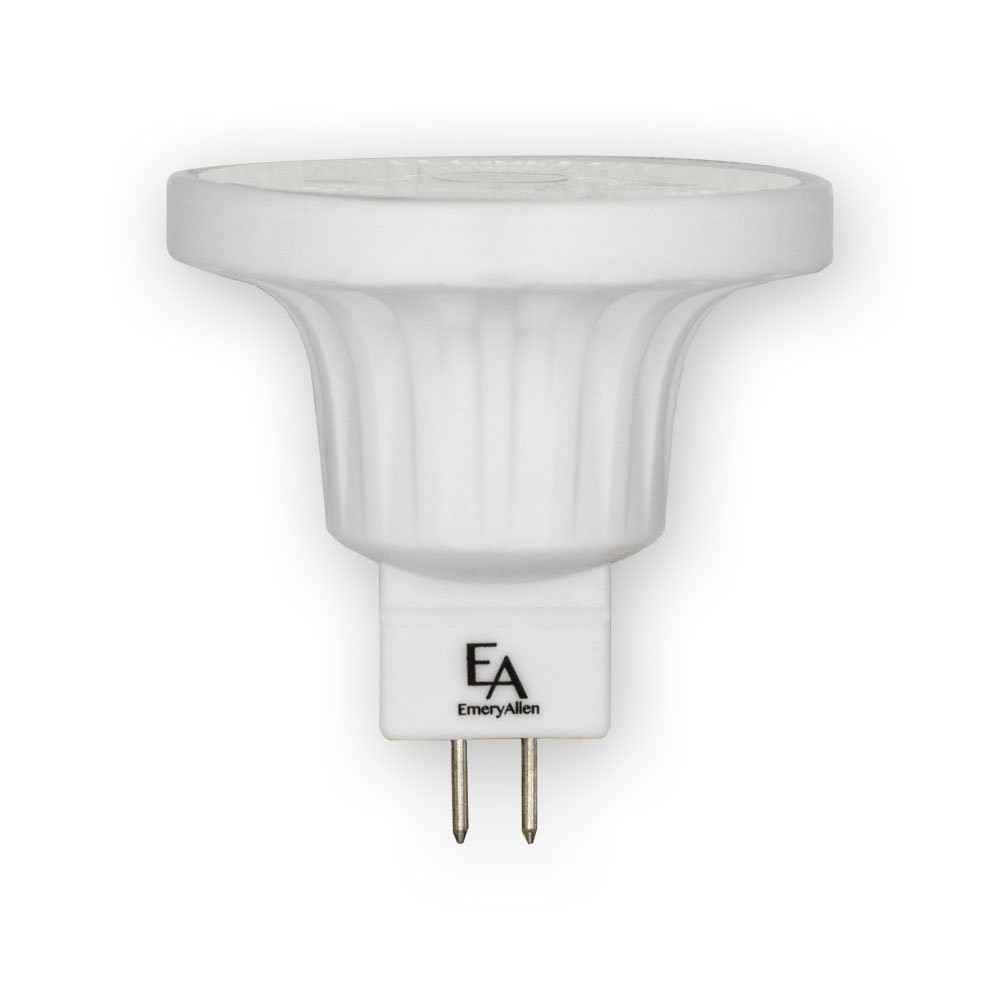
Choosing a plug in light bulb can seem simple until you’re faced with different colour temperatures, brightness levels and bulb types. A small change in light can make a room feel warmer, brighter or more practical, depending on what you choose.
That matters more than you might think. The right colour temperature can influence how comfortable a living room feels in the evening, how clearly you see while working or how inviting a space looks when guests arrive. For homeowners replacing an old bulb or upgrading to LED plug-in bulbs, picking the right option isn’t simply about finding one that fits the socket.
If you’re confused about where to start, then understanding colour temperature is a good first step. Once you know what the different Kelvin ratings mean and how they suit different spaces, choosing a plug-in light bulb becomes much easier.
What Does Colour Temperature Mean for a Plug-In Light Bulb?
Colour temperature describes the appearance of light produced by a bulb. It’s measured in Kelvin (K), and the number gives you a useful idea of whether the light will look warm and yellowish or cool and bluish. Despite the name, it doesn’t describe how hot the bulb feels when it’s switched on.
For a plug-in light bulb, colour temperature can make a noticeable difference to the atmosphere of a room. Lower Kelvin ratings produce warmer light, similar to the soft glow traditionally associated with incandescent bulbs. Rather than judging a bulb by its appearance on the packaging alone.
This is particularly useful when choosing LED plug-in light bulbs. Rather than judging a bulb by its appearance on the packaging alone, check its Kelvin rating. It gives you a clearer indication of how the light will look once installed, helping you choose an option that suits both the room and how you use it.
Which Colour Temperature Is Right for Your Space?
Once you get familiar with Kelvin ratings, the next step is matching the light to your space. There’s no single colour temperature that works everywhere. Think about the atmosphere you want, what you do in the room and how much natural light it receives.
Warm white: 2700K–3000K: Warm white produces a soft, inviting glow that works well in spaces where comfort matters. It’s a popular choice for living rooms, bedrooms and other areas where you want to create a relaxed atmosphere, particularly in the evening.
Neutral white: 3500K–4000K: Neutral white sits between warm and cool light, which gives your rooms a clear appearance without feeling overly stark. It can suit kitchens, hallways, home offices and other daily spaces where you need a balance between comfort and visibility.
Cool white: 5000K–6500K: Cool white provides a crisp, daylight-like appearance that can work well in utility rooms, garages, workshops and other areas where clear visibility is important.
Match the room’s purpose: Before selecting a plug-in light bulb, consider how you use the room. A warm tone may feel more comfortable during relaxing evening hours, while a cooler alternative will make details easier to notice.
Consider natural light: Natural light also affects how a bulb appears. A room with plenty of daylight may not need a very cool bulb, whereas a darker space could benefit from a brighter-looking colour temperature. Step back and consider the room as a whole rather than choosing the Kelvin rating in isolation.
How Room Function Should Influence Your Colour Temperature Choice
Colour temperature isn’t just about how a bulb looks. It should also support the way you use the room.
Here are some factors that affect your colour preference:
Consider the room’s primary function: Start from its main use. This would look good in a bedroom, where one might want a warmer and softer glow that is cosy for the evening, whilst one may want more of a cleaner light needed for daily workstations such as kitchens or home offices.
Match light to the activities performed: Reading, cooking, working or performing detailed tasks requires good visibility. In these types of scenarios, a neutral or cooler colour temperature may be more appropriate. Warmer light can make a room feel more inviting, as these rooms are used primarily for relaxing.
Account for natural light levels: Pay attention to how much daylight enters the room. A naturally bright space can look very different from a darker room when the same bulb is switched on. If a room receives limited daylight, consider how the bulb’s colour temperature will affect the overall feel.
Balance ambience and visibility: The best choice usually lies in balance. You need enough light to see without the space feeling harsh and clinical. LED plug-in light bulbs come in a variety of colour temperatures, so you will be able to find an option that ensures visibility while fitting in with the surrounding ambience.
What Else to Check Before Buying a Plug-In Light Bulb
It is not only about the colour temperature. Take into consideration these functional points before purchasing to ensure that you get the right bulb for your component and possesses all of the attributes that you are looking for.
Check bulb base and pin type: Plug-in light bulbs are available with different bases and pin configurations. If you’re replacing a bulb in an existing fitting, make sure the new bulb has the correct base and pin configuration.
Confirm voltage and wattage: Ensure that the voltage is compatible with your fixture. For LED bulbs, wattage indicates energy consumption rather than directly indicating brightness, so check the lumen rating as well.
Compare lumens: Lumens measure the amount of visible light a bulb produces. Compare lumen ratings to determine how bright a bulb will be. When selecting the brightness you need, compare lumens.
Check dimmability: With dimmer switches, ensure the bulb is dimmable. A non-compatible LED bulb may flicker or fail to dim properly.
Final Thoughts
Selecting a plug-in light bulb should not just be about finding one that fits. Keep in mind factors such as colour temperature, room function, natural light and brightness requirements. Before you buy, look for practical details like the base, voltage, lumens and whether it is dimmable. Consider these factors and select a bulb that will give you an appropriate balance between comfort, light quality and productivity in your space.