From construction sites to pharmaceutical plants, the risks to feet vary widely, but the consequences of poor footwear remain consistently severe. Crush injuries, puncture wounds, slips, and fatigue-related strains are all preventable with proper foot protection. Understanding what separates ordinary work shoes from the best safety shoes in India is the starting point.
Toe Cap Material and Impact Rating
The toe cap is the most critical structural element in any safety shoe. Steel-toe caps offer robust protection against falling objects and compression, making them a standard choice in construction and metal manufacturing. Composite or fibre toe caps, on the other hand, are non-conductive and lighter, which makes them preferable in electrical environments and for workers who are on their feet all day. When selecting the best safety shoes for your team, always match the toe cap material to the actual hazards present on the work floor.
Sole Construction and Slip Resistance
The sole does far more than cushion the foot. It determines how a worker interacts with the ground across different surfaces. Double-density PU soles offer a balance of shock absorption and durability, while single-density options suit lighter-duty applications. Look for outsoles that carry slip-resistance ratings appropriate for the work environment, whether that is oil-slicked factory floors, wet construction sites, or chemical plants. The best safety shoes in India should have soles that meet EN or IS standards for slip resistance and heat tolerance.
Ankle Length and Support
The choice among low-ankle, medium-ankle, and high-ankle safety shoes is not just about style or personal preference. It is a functional safety decision. Low ankle shoes offer greater mobility and suit flat, well-maintained factory environments. Medium and high ankle designs provide added lateral support and protection against twisting injuries, which is important in warehousing, construction, and uneven outdoor terrains. Workers who spend long hours walking on irregular ground should always opt for higher ankle coverage when selecting the best safety shoes available.
Comfort and Fit for Extended Wear
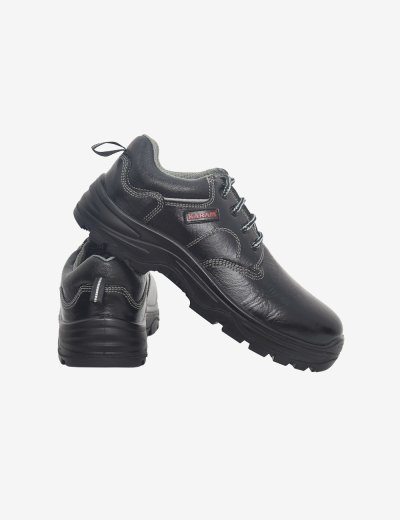
A safety shoe that causes discomfort will eventually be taken off, defeating its purpose entirely. Key comfort features include breathable lining materials, cushioned insoles with arch support, and ergonomic shaping that reduces fatigue over a full shift. Lace-up closure systems offer a more secure and adjustable fit than slip-on styles for most industrial roles. When companies invest in the best safety shoes for their workforce, reduced absenteeism from foot-related discomfort and injuries consistently follows. Fit trials before bulk procurement are a worthwhile investment.
Certifications and Compliance Standards
In India, safety footwear must conform to IS 15298 standards, while internationally traded products are evaluated against EN ISO 20345 specifications. These certifications verify that a shoe has passed objective tests for toe protection, penetration resistance, electrical properties, and slip resistance, among other parameters. Buying uncertified footwear because it looks sturdy is a liability risk, not a saving. The best safety shoes in India carry visible certification marks and come with documentation that allows procurement teams to demonstrate compliance during audits and inspections.
Choosing the right foot protection is a decision with real consequences for worker safety, productivity, and organisational liability. The best safety shoes in India combine certified protection standards with genuine comfort for long wear. Matching footwear specifications to actual site hazards, rather than buying on price alone, is always the wiser approach.