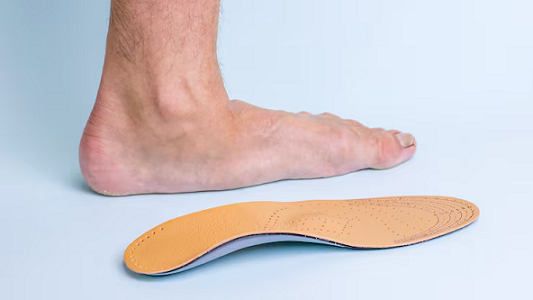
Choosing the right insole for flat feet means looking for structured arch support, deep heel cups, and firm yet cushioned materials that redistribute pressure across the foot. The best options — whether over-the-counter or custom orthotics — correct overpronation, reduce fatigue, and relieve pain in the heel, arch, and knee. Fit and shoe compatibility matter just as much as support level.
If you have flat feet, you already know the signs: aching arches after a long day, knee or lower back pain that shows up out of nowhere, or that familiar fatigue after standing for a few hours. The right insole for flat feet can make a dramatic difference — not just in comfort, but in how your entire body moves and feels. This guide breaks down exactly what to look for before you buy.
What Flat Feet Actually Mean for Your Body
Flat feet (also called pes planus) occur when the arch of the foot makes full or near-full contact with the ground. According to the American Academy of Orthopaedic Surgeons, flat feet affect approximately 20–30% of the general population and are a leading contributor to overpronation — where the foot rolls inward excessively with each step.
This misalignment doesn't stay in the foot. It travels up the kinetic chain, putting strain on the ankles, shins, knees, hips, and lower back. That's why the right shoe inserts aren't just about foot comfort — they're about total body alignment.
What to Look for in an Insole for Flat Feet
Not all insoles are created equal, and the features that matter for flat feet are very specific. Here's what separates a genuinely helpful orthotic insole from one that just adds padding.
1. Arch Support Type and Firmness
This is the single most important factor. Flat feet need structured arch support — not soft foam that compresses immediately. Look for a semi-rigid or rigid shell underneath with a cushioned top layer. The support should lift the arch gently but firmly, not collapse under your weight.
- Low arch support: Suitable for mild flatness or flexible flat feet
- Medium arch support: Best for moderate overpronation and everyday use
- High arch support: Designed for rigid flat feet or heavy users; often recommended by podiatrists
2. Deep Heel Cup
A deep heel cup cradles the heel bone (calcaneus) and helps prevent it from rolling inward. This is a non-negotiable feature for anyone with flat feet. It stabilizes your gait from the ground up. Shallow heel cups found in standard shoe inserts simply don't provide this level of control.
3. Material and Durability
The materials used in orthotic insoles directly affect support quality and longevity:
4. Full-Length vs. 3/4-Length Insoles
Full-length insoles replace the existing footbed entirely and offer consistent support from heel to toe. They work best in athletic shoes, work boots, and running shoes with removable insoles. Three-quarter-length insoles stop just before the toes and are better suited to dress shoes, loafers, or tighter-fitting footwear where space is limited.
5. Shoe Compatibility
Even the best insole won't perform well in the wrong shoe. Flat feet benefit most from shoes with a firm midsole and low-to-moderate stack height. Pairing arch support insoles with overly flexible or minimalist footwear can reduce their effectiveness significantly.
Over-the-Counter vs. Custom Orthotic Insoles: Which Is Right for You?
This is one of the most common questions buyers ask — and the answer depends on your specific condition, budget, and lifestyle.
- Over-the-counter orthotic insoles are pre-molded to standard arch profiles. They range from $20–$80 and work well for most people with mild to moderate flat feet. They're immediately available, easy to replace, and compatible with multiple pairs of shoes.
- Custom orthotics are prescribed and fabricated from a mold of your foot. They cost $200–$800+ and are covered by some insurance plans. They're most appropriate for severe flatness, post-surgical recovery, or complex biomechanical issues diagnosed by a podiatrist.
For the majority of people who are comparing products online, a high-quality over-the-counter orthotic insole will deliver excellent results without the cost or wait time of a custom device.
Who Needs an Insole for Flat Feet?
Not everyone with flat feet experiences pain, but several groups benefit significantly from added arch support:
- People who stand or walk for extended periods (nurses, retail workers, teachers)
- Runners and athletes prone to plantar fasciitis or shin splints
- Individuals with overpronation-related knee or hip discomfort
- Anyone recovering from a foot or lower limb injury
- Older adults experiencing increased foot fatigue or instability
A 2021 review published in the Journal of Foot and Ankle Research found that foot orthoses significantly reduced pain and improved function in adults with flat foot deformity, particularly when used consistently over a 12-week period.
Common Mistakes When Buying Insoles for Flat Feet
Choosing Cushioning Instead of Support
Many buyers default to soft, gel-based insoles because they feel comfortable in-store. But for flat feet, comfort at first touch doesn't equal structural correction. If the insole collapses under your body weight, it's not doing the job. Look for a firm base layer — cushioning should be a secondary feature, not the primary one.
Ignoring Sizing and Trimming Guidelines
An insole that's too long or too short shifts the support position and reduces effectiveness. Most orthotic insoles are sold by shoe size range and can be trimmed to fit. Always follow the sizing guide included in the product and test for proper arch alignment before wearing for extended periods.
Expecting Immediate Results Without an Adjustment Period
New arch support insoles take time to break in — both the insole and your feet. Most podiatrists recommend starting with 1–2 hours of wear daily and increasing gradually over two weeks. Skipping this step can cause temporary soreness as your muscles adapt to better alignment.
Red Flags to Avoid When Comparing Products
- No mention of arch height or support level on the product page
- Insoles marketed purely for "cushioning" with no structural component
- One-size-fits-all products without trimming or sizing guidance
- No information about heel cup depth
- Materials that don't specify durability or replacement frequency
Final Checklist Before You Buy
Use this quick checklist to evaluate any insole for flat feet before purchasing:
- ✅ Does it offer structured, semi-rigid or rigid arch support?
- ✅ Does it feature a deep heel cup for motion control?
- ✅ Is the top layer breathable and moisture-wicking?
- ✅ Is it available in your shoe size with trimming options?
- ✅ Is the arch height appropriate for your level of flatness?
- ✅ Does it fit the type of shoe you need it for?
- ✅ Is there a return policy if the fit isn't right?
If an insole checks all seven boxes, it's worth serious consideration. If it misses more than two, keep looking.
For a curated selection of insoles built specifically around these criteria, LifeForce Hub's foot insole range is worth exploring — the products are designed with structural arch support and flat-foot biomechanics in mind, making the comparison process straightforward for buyers who know what they're looking for.
Tags : .....