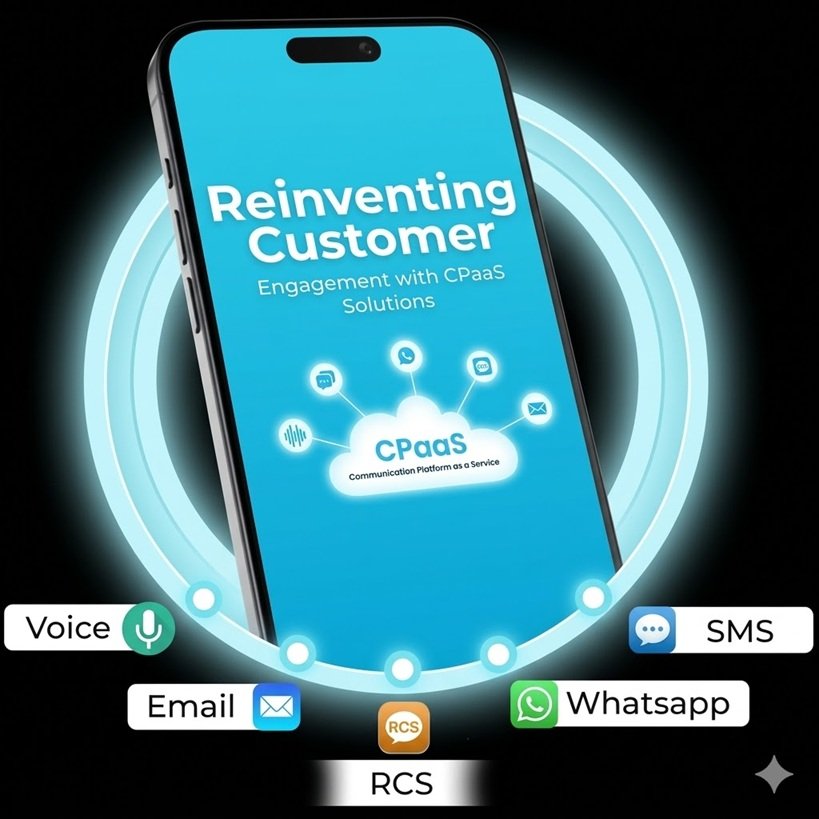
In the era of digital transformation, businesses increasingly rely on cloud-based communication solutions to engage customers, streamline operations, and maintain a competitive edge. Platforms that enable SMS, voice, video, and messaging app integrations are essential for providing seamless communication experiences. For companies looking to offer communication services under their own brand, a white-label CPaaS platform offers the ideal solution. By leveraging a white‑label CPaaS platform, businesses can deliver robust communication capabilities while retaining full brand identity, giving them the flexibility to launch and scale communication services without the burden of building infrastructure from scratch.
What is a White-Label CPaaS Platform?
A white-label CPaaS (Communications Platform as a Service) allows companies to resell or integrate communication services such as SMS, voice, video, and chat under their own brand name. Unlike traditional CPaaS solutions, white-label platforms provide the backend infrastructure and APIs, while enabling businesses to customize branding, user interfaces, and workflows. This approach is particularly valuable for startups, telcos, and digital service providers aiming to enter the communication services market quickly and cost-effectively.
1. Scalability and Performance
When selecting a white-label CPaaS platform, scalability is a key consideration. As your user base grows, the platform should be capable of handling increased messaging, voice calls, and video interactions without degradation in performance. Look for platforms with robust cloud infrastructure, global reach, and load-balancing capabilities to ensure smooth operation during peak usage.
Performance metrics to evaluate include:
- Message delivery speed
- Voice and video quality
- System uptime and reliability
- Support for concurrent sessions
A scalable and high-performance platform ensures a seamless experience for end-users and supports long-term growth.
2. Multi-Channel Communication Support
Modern businesses must engage customers across multiple channels. A comprehensive white-label CPaaS platform should support:
- SMS and MMS messaging
- Voice calls and IVR systems
- Video conferencing and streaming
- WhatsApp, Facebook Messenger, and other OTT messaging apps
Multi-channel support allows businesses to offer flexible communication options and meet diverse customer preferences, enhancing engagement and satisfaction.
3. Easy API Integration
APIs are the backbone of any CPaaS solution. A white-label platform should provide well-documented, developer-friendly APIs for seamless integration with your existing applications, CRM systems, e-commerce platforms, and other business tools.
Key API features to consider:
- RESTful and SDK support for multiple programming languages
- Webhooks for real-time notifications
- Documentation, sample code, and sandbox environments
Robust API integration allows automation of communication workflows, reducing manual effort and improving operational efficiency.
4. Customization and Branding
White-label solutions are only effective if they allow full customization. Look for a platform that enables:
- Branded user interfaces
- Customized dashboards and reports
- Personalized sender IDs for SMS
- Tailored workflows for voice, chat, and notifications
This flexibility ensures that the platform aligns with your brand identity and provides a cohesive user experience.
5. Security and Compliance
Handling customer data and communication requires adherence to stringent security and compliance standards. A white-label CPaaS platform should offer:
- End-to-end encryption for SMS, voice, and video
- Secure authentication and authorization mechanisms
- GDPR, ISO, and local telecom regulatory compliance
- Opt-in/opt-out management for messaging
Security and compliance features protect sensitive information, reduce risk, and maintain customer trust.
6. Reporting and Analytics
Data-driven insights are critical for optimizing communication strategies. A white-label CPaaS platform should provide comprehensive reporting and analytics capabilities, including:
- Delivery reports for SMS and notifications
- Call quality and engagement metrics
- Real-time monitoring dashboards
- Trend analysis for customer interactions
These insights help businesses identify performance gaps, optimize campaigns, and make informed decisions.
7. Reliability and Uptime
Reliability is a critical factor when evaluating white-label CPaaS providers. Downtime or delayed communication can result in lost revenue, dissatisfied customers, and reputational damage. Look for platforms that guarantee:
- High uptime (99.9% or above)
- Redundant infrastructure
- Backup and disaster recovery mechanisms
Reliable infrastructure ensures uninterrupted service and enhances the credibility of your brand.
8. Technical Support and Customer Service
Even the most robust platforms may encounter occasional issues. Evaluate the provider’s technical support and customer service offerings:
- 24/7 support availability
- Dedicated account managers for enterprise clients
- Multiple support channels (email, chat, phone)
- Prompt issue resolution
Strong support is essential for maintaining smooth operations and addressing technical challenges quickly.
9. Pricing Flexibility
Cost considerations are crucial for businesses seeking to launch or scale communication services. White-label CPaaS providers typically offer flexible pricing models such as:
- Pay-as-you-go for messaging or voice usage
- Subscription-based packages for larger enterprises
- Volume discounts for high-traffic clients
Transparent and flexible pricing ensures that businesses can plan budgets effectively and avoid unexpected costs.
10. Automation and Workflow Capabilities
Automation enhances efficiency and reduces operational overhead. A white-label CPaaS platform should allow you to:
- Schedule messages and notifications
- Automate alerts and reminders
- Enable chatbots for customer support
- Trigger voice or SMS notifications based on events
Automation not only saves time but also ensures timely and consistent communication.
11. Two-Way Messaging and Interactive Communication
Two-way messaging capabilities are increasingly important for customer engagement. Look for platforms that support:
- Customer replies via SMS, chat, or messaging apps
- Interactive voice response (IVR) for voice calls
- Polls, surveys, and feedback collection
Two-way communication fosters engagement, improves customer satisfaction, and strengthens relationships.
12. Global Reach and Local Presence
If your business plans to operate beyond a single region, global reach is essential. A white-label CPaaS platform should provide international coverage while adhering to local telecom regulations. Features to look for include:
- Support for multiple countries and carriers
- Localized sender IDs and number provisioning
- Compliance with regional laws and messaging guidelines
Global reach combined with local compliance ensures smooth expansion and consistent communication experiences worldwide.
13. Ease of Onboarding
Quick and simple onboarding is critical for businesses looking to launch communication services rapidly. Evaluate whether the provider offers:
- Step-by-step implementation guides
- Sandbox environments for testing
- Training and documentation for your team
A smooth onboarding process accelerates time-to-market and reduces initial setup challenges.
14. Future-Proof Technology
Technology evolves rapidly, and businesses must adopt platforms that can adapt to new trends. Choose a white-label CPaaS provider that continuously updates its infrastructure, adds new features, and supports emerging communication channels.
Future-proof technology ensures your business remains competitive and prepared for changes in customer behavior and industry standards.
15. Partner Reputation and Track Record
Finally, assess the reputation and track record of the white-label CPaaS provider. Consider:
- Years of experience in the market
- Client testimonials and case studies
- Industry certifications and awards
- Partnerships with telecom operators
A reliable partner ensures credibility, consistent service quality, and long-term support.
Conclusion
Choosing the right white-label CPaaS platform requires careful consideration of scalability, multi-channel support, security, customization, and technical support. By evaluating these factors, businesses can select a platform that not only meets their current needs but also supports future growth and innovation.
A white-label CPaaS platform enables companies to deliver branded communication services efficiently, securely, and cost-effectively. Whether you are a startup, digital service provider, or enterprise looking to enhance customer engagement, a robust white-label CPaaS solution can empower your business to streamline operations, expand reach, and create meaningful interactions with your customers.
Investing time in selecting the right platform ensures a strong foundation for your communication strategy, enhances brand reputation, and positions your business for long-term success in growing digital ecosystem.
Tags : White‑Label CPaaS Platform