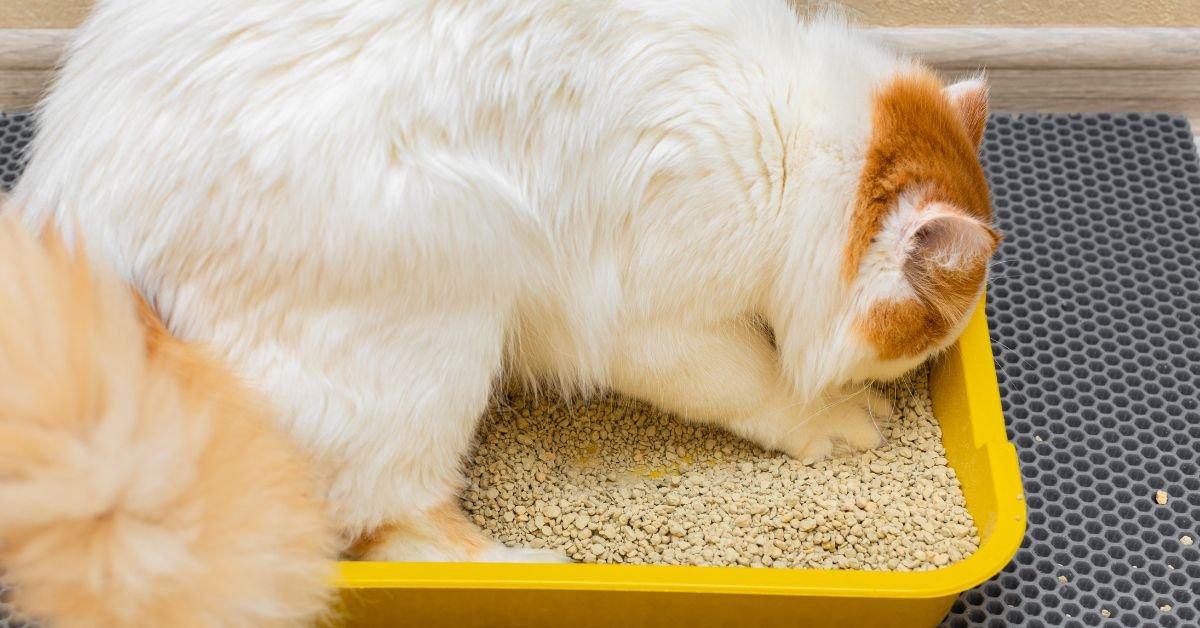
Living with a cat is a rewarding experience filled with comfort affection and companionship. Over the years I have learned that when a home starts smelling unpleasant it is rarely because of the cat itself. Most odor problems come from overlooked routines or small habits that slowly add up. With the right approach it is completely possible to enjoy life with cats while maintaining a fresh and welcoming home.
Understanding Why Cat Odor Develops Indoors
Cat related smells usually come from waste moisture and trapped particles rather than from the animal directly. When urine or waste sits too long ammonia odors form quickly and spread into surrounding areas. Soft furnishings carpets and curtains absorb these smells easily which makes them linger even after cleaning. Poor ventilation also plays a major role by trapping odor in enclosed spaces.
Choosing the Right Litter Makes a Noticeable Difference
One of the most impactful changes I made was upgrading the litter I used. Many standard litters create excess dust that spreads through the home and carries odor with it. Switching to a quality low dust cat litter improved air quality immediately and made daily cleaning more effective. Less dust means fewer odor particles floating and settling on furniture and floors.
Building a Consistent Litter Box Cleaning Routine
Consistency is the foundation of odor control. Scooping the litter box every day prevents waste from breaking down and releasing strong smells. I have noticed that skipping even one day allows odors to build up faster than expected. In addition to scooping washing the litter box itself every few weeks removes residue that clings to plastic surfaces and causes lingering odor.
Litter Box Placement Affects the Entire Home
Where the litter box sits matters more than many people realize. Placing it in a tight unventilated space traps odor and spreads it into nearby rooms. I found that choosing a quiet location with proper airflow allows smells to dissipate naturally. Avoiding areas near heavy fabrics like bedrooms or living rooms also helps prevent odor absorption.
Using Odor Control Beyond Basic Cleaning
Even with proper litter care smells can still linger around pet areas. Rather than masking odors with strong sprays I prefer neutralizing them. Using deodorizer beads near the litter box or in surrounding spaces helps absorb odors continuously. This approach keeps the air fresh without overwhelming scents that could bother pets or guests.
Grooming Helps Reduce Household Odors
Cats groom themselves but loose fur dander and natural oils still build up over time. Regular brushing removes odor carrying particles before they spread through the home. I brush my cat several times a week and it has significantly reduced lingering smells on furniture and bedding. Clean fur contributes to a cleaner smelling environment overall.
Keeping Cat Bedding and Fabrics Fresh
Cat beds blankets and favorite resting spots trap odor quickly. Washing these items weekly with mild unscented detergent makes a noticeable difference. Vacuuming carpets and upholstery regularly also prevents smells from embedding into fibers. Paying attention to these areas helps maintain long term freshness throughout the home.
Diet and Hydration Can Influence Odor Levels
A cat’s diet plays a role in how strong litter box odors become. Poor quality food often leads to stronger smelling waste. After switching to a balanced high quality diet I noticed a reduction in unpleasant smells. Keeping fresh water available also helps by diluting urine and reducing ammonia buildup.
Knowing When to Replace Litter Completely
Many cat owners ask does cat litter expire and it is an important question. Over time litter loses its ability to absorb moisture and control odor even if it appears clean. Replacing the litter fully on a regular schedule ensures it continues working effectively and prevents odor causing bacteria from accumulating.
Improving Airflow for a Fresher Home
Fresh air circulation plays a vital role in odor control. Opening windows when possible using exhaust fans or adding an air purifier near the litter area helps prevent smells from becoming trapped. Improved airflow makes the entire home feel cleaner and lighter for both pets and people.
Frequently Asked Questions About Cat Odor Control
Many people wonder how often they should scoop the litter box to avoid smell. Daily scooping is ideal and for multi cat homes twice daily may be necessary. Another common concern is whether a clean cat can still make the house smell. Even clean cats can contribute to odor if their environment is not properly maintained. Litter hygiene airflow and fabric cleaning all matter. People also ask why odor lingers after cleaning the litter box. Smells often remain in surrounding surfaces like floors and furniture which require regular cleaning as well. Lastly many wonder if odor control products are safe for cats. Pet safe products designed to neutralize odors rather than mask them are generally safe and effective.
Final Thoughts on Living Odor Free With Cats
Keeping a home fresh with cats is about thoughtful habits rather than constant effort. With proper litter choices consistent cleaning grooming and airflow it is absolutely possible to enjoy your cat without worrying about unwanted smells. These practices have helped me create a comfortable clean space where both my cat and guests feel at home.