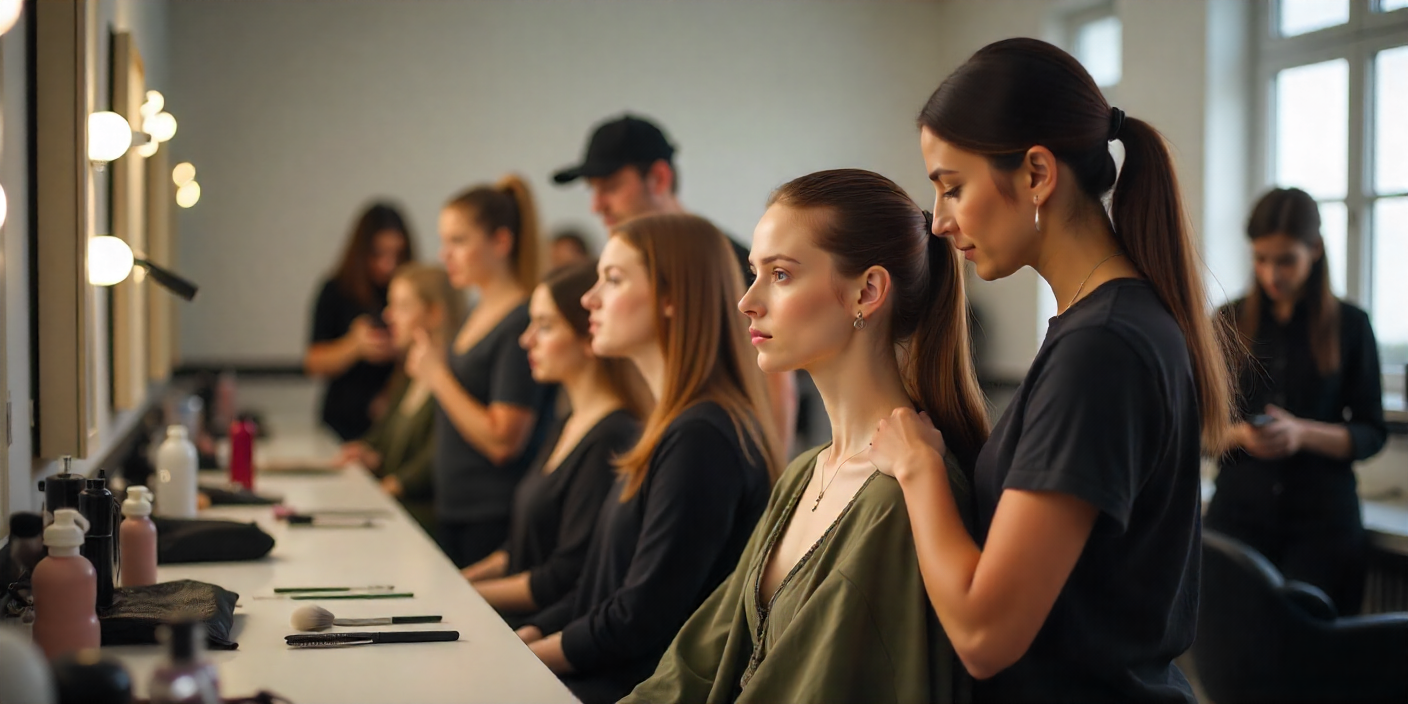
Beauty careers are about far more than physical appearance. At their core, they focus on helping people feel comfortable, confident, and empowered in their own skin. Whether it is through hair styling, skincare, or makeup, beauty professionals play an important role in boosting self-esteem and creating positive personal experiences. Learning beauty services correctly from the beginning allows professionals to provide safe, thoughtful, and high-quality care for every client they serve.
Choosing to work in the beauty field is an exciting decision filled with creativity and opportunity. Whether your goal is hairstyling, makeup artistry, nail services, or skincare, proper education plays a major role in your success. Selecting a quality beauty training program can influence not only your skills but also your confidence and future career options.
Gaining Practical Knowledge and Hands-On Experience
A strong beauty education program balances theory with hands-on training. While understanding concepts such as anatomy, product chemistry, and sanitation is important, practical experience is what truly prepares students for real-world work. Students are trained to work with a wide range of hair textures, skin tones, and beauty preferences, ensuring they can serve diverse clients with confidence and professionalism.
Hands-on practice in supervised environments allows students to apply what they learn step by step. Under the guidance of experienced instructors, learners can refine their techniques, correct mistakes, and build consistency. This structured practice helps students develop muscle memory, improve accuracy, and gain confidence before entering professional salons, spas, or freelance roles. By graduation, students feel more prepared to meet industry expectations and client needs.
Encouraging Personal Growth and Creative Expression
Beauty education is not only technical—it also supports personal growth and creativity. Students are encouraged to explore new styles, experiment with current trends, and discover what inspires them most. This creative freedom allows learners to develop their own artistic identity and unique approach to beauty services.
A positive and supportive learning environment plays a key role in this process. Instructors who encourage growth, provide constructive feedback, and celebrate progress help students build self-belief. When students feel supported, they are more willing to take creative risks, improve their skills, and enjoy the learning journey. Confidence gained during training often carries over into professional life, helping graduates succeed in client-facing roles.
Creating Opportunities for the Future
The beauty industry offers a wide range of career opportunities. Graduates may choose to work in salons or spas, become independent beauty professionals, teach future students, or pursue roles in fashion, film, and media. Some may even start their own businesses or brands.
A well-rounded beauty education also includes lessons in professionalism, hygiene, and client communication. These skills are essential for building trust, maintaining client relationships, and creating a loyal customer base. Understanding how to communicate clearly, manage appointments, and maintain professional standards contributes to long-term success in the industry.
The Value of Structured Training
Learning skills through a professional training program that incorporates beauty touches ensures proper technique, safety, and consistency. Structured education provides clear guidance, recognized certification, and industry-relevant knowledge that helps graduates stand out in a competitive field.
Professional training also keeps students informed about evolving trends, tools, and techniques. The beauty industry is constantly changing, and ongoing education helps professionals stay current and adaptable. With a strong foundation and a commitment to learning, beauty professionals are better equipped to grow, innovate, and thrive throughout their careers.
Tags : beauty school cosmetoloy