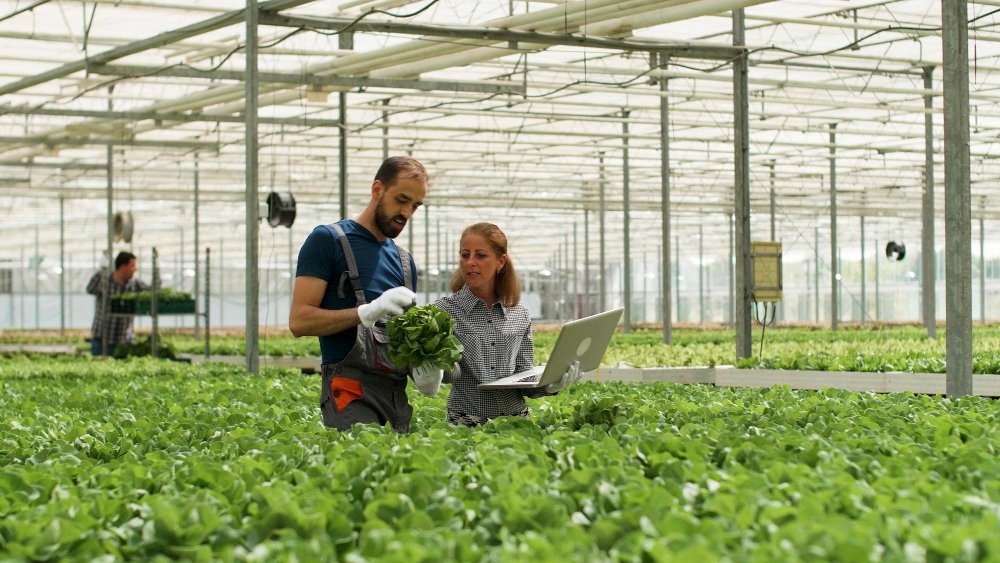
Technology is revolutionizing nearly every industry, and agriculture is no exception. With global population growth and climate challenges, traditional farming methods are no longer sufficient to meet demand. Advanced technologies, from IoT devices to automation and AI-driven analytics, are enabling farmers to increase efficiency, reduce waste, and improve crop quality.
The Rise of Smart Agriculture
Smart agriculture combines traditional farming practices with modern technology to optimize productivity and resource management. Sensors, drones, and automated machinery collect real-time data on soil quality, crop health, and weather patterns. This information allows farmers to make informed decisions about planting, watering, and harvesting.
IoT-enabled systems can monitor moisture levels, temperature, and nutrient content, ensuring that crops receive the exact care they need. Farmers can also use AI algorithms to predict disease outbreaks or pest infestations, reducing crop losses and minimizing the use of chemicals.
Automation and Robotics in Farming
Automation is transforming how farms operate. From robotic harvesters to automated irrigation systems, technology reduces the need for manual labor while improving efficiency. Robots can perform repetitive tasks such as planting seeds, applying fertilizers, and picking fruits with precision, reducing waste and increasing yields.
Embedded systems play a critical role in these automated solutions. They control sensors, actuators, and communication systems, allowing devices to operate reliably in diverse environmental conditions. Companies offering embedded development services help build and maintain these systems, ensuring that smart devices work seamlessly and provide accurate data to farmers.
Benefits of Smart Agriculture
The integration of technology into agriculture offers numerous advantages:
Increased Productivity: IoT devices and automation streamline operations and optimize crop yields.
Resource Efficiency: Smart irrigation systems conserve water, and precision farming reduces fertilizer usage.
Predictive Insights: AI and analytics help anticipate disease outbreaks, pest infestations, and adverse weather conditions.
Sustainability: Reduced chemical usage and efficient resource management contribute to environmentally friendly farming practices.
Cost Savings: Automation reduces labor costs and minimizes losses from crop damage or wastage.
Smart agriculture not only improves productivity but also ensures that farming practices are sustainable and environmentally responsible.
AI and Data Analytics
Artificial intelligence is increasingly being used in agriculture to process large volumes of data collected from sensors, drones, and machinery. AI algorithms can identify patterns, predict crop yields, and optimize planting schedules.
Machine learning models can also forecast pest outbreaks and suggest preventive measures. This predictive capability reduces crop losses, improves quality, and increases profitability for farmers. By leveraging AI, agriculture is shifting from reactive to proactive management.
Precision Farming
Precision farming involves applying the right amount of water, fertilizers, and pesticides at the right time. It relies on data collected from sensors, drones, and satellite imagery. Precision farming reduces waste, enhances crop quality, and lowers environmental impact.
By combining IoT, AI, and embedded systems, farmers can monitor individual plants and adjust resources accordingly. This targeted approach ensures that every plant receives optimal care, maximizing productivity while minimizing resource usage.
IoT in Agriculture
The Internet of Things (IoT) is a game-changer for modern agriculture. Sensors installed in fields can monitor soil moisture, pH levels, temperature, and crop health. These sensors communicate with cloud-based systems to provide farmers with actionable insights in real time.
Smart agriculture solutions, such as automated irrigation and AI-powered crop monitoring, are helping farmers adapt to changing climates and increasing demand.
The future of farming lies in the integration of technology and traditional practices, creating a more sustainable and efficient agricultural ecosystem for generations to come.
Real-World Applications
Smart agriculture technologies are being adopted globally. In large-scale farms, automated irrigation and fertilization systems reduce labor and increase efficiency. Drones monitor crop health, enabling timely interventions. Even small farms benefit from sensor-based solutions that optimize water usage and improve crop quality.
Vertical farming and hydroponics are emerging as technology-driven solutions for urban areas, combining smart sensors, automation, and controlled environments to produce food sustainably. These systems rely heavily on embedded systems and connected devices to function effectively.
Challenges and Considerations
Despite the benefits, adopting smart agriculture technologies comes with challenges. High upfront costs, technical expertise, and reliable connectivity are key concerns. Farmers need access to trained professionals and developers who can design, deploy, and maintain smart systems.
Security is another consideration, as connected devices can be vulnerable to cyberattacks. Regular maintenance, secure networks, and robust software updates are essential for ensuring reliable operation.
Conclusion
Technology is transforming agriculture, making it smarter, more efficient, and sustainable. IoT sensors, AI analytics, automation, and embedded systems are enabling farmers to make data-driven decisions, conserve resources, and maximize yields.
The future of farming lies in the integration of technology and traditional practices, creating a more sustainable and efficient agricultural ecosystem for generations to come.
Tags : smart agriculture IoT