How Sustainable Packaging Market Growth Is Changing Business Packaging Decisions
By lovetree pak 18-01-2026 27
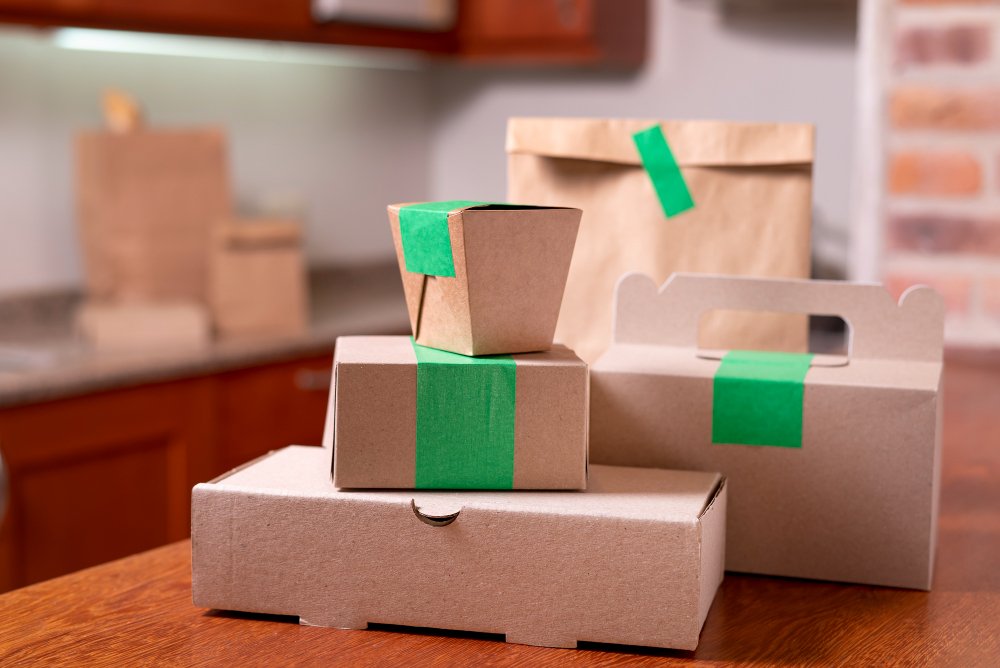
Sustainable packaging is no longer a future concept or a branding experiment. Rapid market growth signals a permanent shift in how businesses design, source, and evaluate packaging. Companies that once focused only on cost and convenience are now balancing performance, environmental impact, and long-term compliance.
This change is not driven by trends alone. It is the result of evolving regulations, buyer expectations, supply chain pressures, and material innovation. Understanding how market growth affects packaging choices helps businesses move from reactive decisions to strategic planning.
Why Market Growth Is Forcing Businesses to Rethink Packaging
The expansion of sustainable packaging is directly tied to real-world challenges businesses face today. Rising raw material costs, waste management expenses, and environmental regulations are making traditional packaging less viable.
At the same time, buyers—both B2B and B2C—are paying closer attention to packaging materials, recyclability, and waste reduction. Packaging is no longer invisible. It has become part of the product experience and the brand promise.
As a result, companies are shifting toward sustainable packaging solutions that balance operational efficiency with environmental responsibility.
What Eco-Friendly Packaging Means in Practical Terms
In 2026, eco-friendly packaging is judged by performance, not claims. Businesses are moving away from vague sustainability messaging and toward packaging that delivers measurable benefits.
Effective eco-friendly packaging typically:
- Uses fewer raw materials
- Incorporates renewable or recycled inputs
- Fits into existing recycling systems
- Reduces overall packaging waste
This practical approach ensures sustainability does not compromise protection, logistics, or cost control.
Molded Fiber Packaging as a Response to Protection and Sustainability Needs
One of the most significant outcomes of market growth is increased adoption of molded fiber packaging. As businesses look for alternatives to plastic inserts and foam, molded fiber offers a strong balance of protection and sustainability.
Molded fiber packaging is designed to:
- Secure products during transit
Absorb shock and vibration
Reduce excess fillers and void space
Replace plastic-based protective components
Its ability to be custom-shaped around products makes it particularly valuable for electronics, cosmetics, food service items, and industrial components.
Recycled Packaging Is Becoming a Competitive Advantage
As sustainability expectations rise, recycled packaging is no longer seen as a compromise. Instead, it is becoming a smart business decision.
Using recycled materials helps companies:
- Lower dependence on virgin resources
- Improve waste reduction metrics
- Align with extended producer responsibility policies
Build credibility with environmentally conscious buyers
Recycled fiber packaging also supports supply chain stability by reducing exposure to volatile raw material markets.
Circular Packaging and Lifecycle-Based Design Thinking
Market growth is accelerating the shift toward circular packaging, where packaging is designed with its full lifecycle in mind.
Circular packaging focuses on:
- Material recovery and reuse
Ease of recycling or composting
Minimizing end-of-life waste
Keeping materials in use for longer
This approach moves packaging design beyond single-use thinking and encourages smarter material choices that support long-term sustainability goals.
How Sustainable Packaging Growth Impacts B2B Decision-Making
For B2B buyers, sustainable packaging growth is changing procurement conversations. Packaging decisions are now evaluated across multiple dimensions:
- Environmental compliance
- Product protection performance
- Cost efficiency over time
- Brand and customer perception
Suppliers that offer flexible, transparent, and sustainable options are increasingly preferred over those relying on conventional packaging models.
Turning Market Growth Into a Strategic Advantage
Rather than reacting to change, forward-thinking businesses are using market growth as an opportunity to optimize packaging systems.
Common strategic steps include:
- Reviewing existing packaging for waste and inefficiency
- Switching to fiber-based protective solutions
- Redesigning packaging to reduce material usage
- Aligning packaging with long-term sustainability targets
This proactive approach reduces risk, improves efficiency, and strengthens brand positioning.
Final Thoughts: Sustainable Packaging Is a Business Evolution
The growth of the sustainable packaging market reflects a broader evolution in how businesses operate. Packaging is no longer just a cost center—it is a strategic tool that influences efficiency, compliance, and brand trust.
Companies that adopt eco-friendly packaging, invest in molded fiber and recycled packaging, and embrace circular packaging principles are better positioned for long-term success.
Sustainable packaging is not about doing more. It is about doing better—with smarter materials, better design, and a clear understanding of where the market is heading.
Tags : .....