Every time you open a cloud app, stream a video, or send an email across countries, your data does not travel through the air. It travels through cables lying on the ocean floor. These cables carry almost all of the world's international internet traffic, and they quietly keep cloud services running smoothly, day and night. Most people never think about them, yet without these cables, global cloud platforms like Google Cloud, AWS, and Microsoft Azure simply could not function the way they do today.
What Are Subsea Cable Technologies
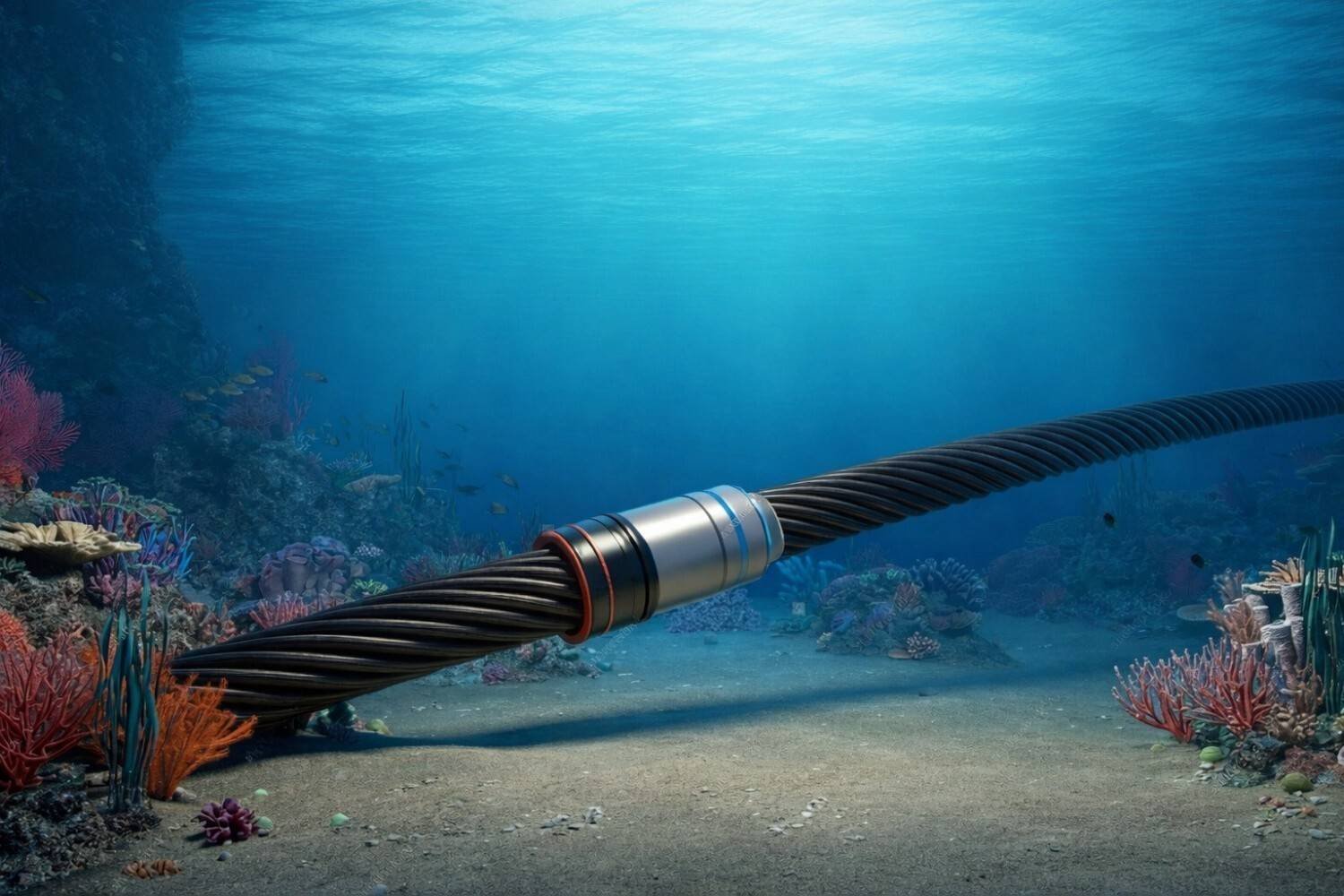
Subsea cable technologies refer to the engineering systems used to design, lay, protect, and maintain fiber optic cables under the sea. These cables are made of thin glass fibers that carry data as pulses of light. They are wrapped in several protective layers, including copper, steel, and waterproof coatings, to survive extreme water pressure, shifting seabeds, and even accidental damage from fishing equipment or ship anchors. Modern cable systems also include repeaters, which are small devices placed every few dozen kilometers along the cable to boost the light signal so it does not weaken over long distances.
Why Cloud Providers Depend on Subsea Cables
Cloud computing relies on data centers spread across different continents. When you save a file, use an app, or run a business system on the cloud, your data may travel between servers located thousands of kilometers apart. This constant exchange of information needs a fast, stable, and secure path, and subsea cables provide exactly that. Compared to satellite links, undersea cables offer much lower delay, higher speed, and far greater capacity, which makes them the backbone choice for cloud providers.
The Role of Cross-Border Interconnections
Cloud services are rarely limited to one country. A business in India might use servers based in Singapore, Europe, or the United States. This is where cross-border interconnections become important. Subsea cables link continents and countries together, allowing data to move smoothly across borders without major delays. These connections also help cloud providers balance traffic loads, so if one route becomes congested or damaged, data can be redirected through another cable path with minimal disruption to users.
How Reliability Is Maintained
Cable operators rely on multiple transmission paths rather than a single line to carry traffic. Instead, they build multiple routes between the same regions, so if one cable is damaged, traffic automatically shifts to another. Specialized repair ships are stationed in various regions of the world, ready to fix breaks within days. Continuous monitoring systems also track the health of each cable in real time, detecting faults early before they affect users.
Case Study 1: The SEA-ME-WE-5 and IMEWE Cable Faults
In late 2023, two major cables connecting Asia, the Middle East, and Europe, known as SEA-ME-WE-5 and IMEWE, developed faults near the Red Sea and Gulf of Aden region. Network monitoring firms observed that latency between major public cloud platforms increased by around 40 milliseconds on several routes while repairs were underway. A specialized cable repair ship was deployed to the affected area to carry out the fix. This event showed how even a short disruption in one region can briefly change the performance of cloud services for millions of users relying on cross-border interconnections, and it highlighted why cable operators keep alternate routes ready at all times.
Case Study 2: Singapore's Subsea Cable Hub Strategy
Singapore has built itself into one of the world's most important subsea cable hubs, attracting billions of dollars in investment from major cloud companies, including Amazon Web Services, Google, and Microsoft. These companies have backed newer cable systems connecting Singapore to other parts of Asia and across the Pacific. The country's government support and strong repair capabilities have made it a reliable digital gateway for the region. This example shows how a nation's investment in subsea cable infrastructure can directly strengthen cloud performance and data center growth for an entire region.
Challenges Facing Subsea Cable Networks
Despite their importance, subsea cables face real challenges. Fishing activity and ship anchors cause the majority of cable faults worldwide. Harsh weather, underwater landslides, and aging infrastructure also pose risks. Repair ships are limited in number, and repairs in remote ocean areas can take weeks. Cloud providers and cable operators are now investing in better route diversity and stronger cable designs to reduce these risks.
The Future of Subsea Connectivity
New cable projects are being built with higher data capacity to support growing cloud and AI workloads. Companies are also exploring smarter monitoring tools that use sensors to detect problems earlier. As more businesses shift to cloud based systems, the demand for faster and more resilient undersea connections will only continue to grow.
Conclusion
Subsea cables remain the invisible foundation of the modern internet and cloud computing. They connect continents, support cross-border interconnections, and keep global businesses running smoothly. Even something like a subsea power cable event, where undersea power or data lines face outages due to damage or technical faults, reminds us how fragile yet essential this infrastructure truly is. As dependence on cloud computing continues to grow, governments and technology companies must prioritize both the protection and expansion of the underwater cable network.
Frequently Asked Questions
Q1. What is a subsea cable?
A subsea cable is a fiber optic cable laid on the ocean floor that carries internet and data traffic between countries and continents.
Q2. How do subsea cables affect cloud computing speed?
They provide fast and stable connections between data centers located in different regions, which reduces delay and keeps cloud applications running smoothly.
Q3. What happens when a subsea cable breaks?
During cable repairs, data is commonly transmitted through alternate cable routes while repair ships restore the damaged section, sometimes causing brief periods of slower internet speeds.
Q4. Why are subsea cables better than satellites for cloud data?
Subsea cables offer higher speed, larger data capacity, and lower delay compared to satellite connections, making them more suitable for heavy cloud traffic.
Q5. Are subsea cables safe from damage?
They are built with strong protective layers, but they can still be damaged by fishing equipment, ship anchors, or natural events like underwater landslides.