How Space Ground Station Services Are Powering the Next Wave of Satellite Connectivity
By johnryan 27-04-2026 160
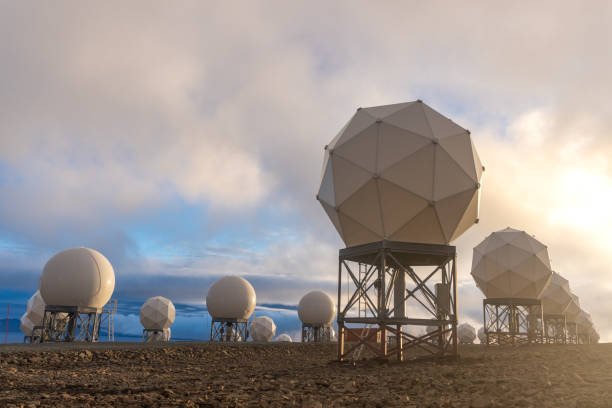
The rapid evolution of satellite technology is reshaping how data is transmitted, monitored, and utilized across industries. At the center of this transformation lies space ground station services, which act as the critical link between satellites in orbit and operations on Earth. These services enable communication, tracking, and data relay, supporting applications ranging from telecommunications to defense and environmental monitoring.
As satellite deployments increase, particularly with the rise of low Earth orbit (LEO) constellations, the demand for scalable and efficient ground infrastructure continues to grow. According to insights available in the space ground station services industry analysis, this sector is experiencing steady expansion driven by advancements in satellite communication technologies and growing reliance on space-based data systems.
Understanding the Role of Ground Station Services
Space ground stations are terrestrial facilities equipped with antennas and communication systems that connect with satellites. These stations perform essential functions such as telemetry, tracking, and command (TT&C), along with data reception and processing. Without these systems, satellites would be unable to transmit valuable data back to Earth or receive operational instructions.
The increasing complexity of satellite missions, including Earth observation, navigation, and scientific exploration, has elevated the importance of robust ground station networks. Organizations are now focusing on building flexible and cloud-integrated ground infrastructure to enhance operational efficiency and reduce latency.
Key Drivers Accelerating Industry Expansion
The surge in satellite launches is one of the primary factors influencing the growth of space ground station services. Governments and private companies alike are investing heavily in satellite constellations to improve global connectivity and data accessibility. According to the European Space Agency, the number of active satellites has increased significantly over the past decade, reflecting a broader shift toward space-based solutions.
Additionally, the growing adoption of satellite-based services in sectors such as agriculture, maritime, and disaster management is fueling demand for advanced ground station capabilities. These services enable real-time monitoring, precise navigation, and data-driven decision-making, which are becoming essential in modern operations.
Shift Toward Ground Station as a Service (GSaaS)
One of the notable trends shaping the industry is the emergence of Ground Station as a Service (GSaaS). This model allows satellite operators to access shared ground infrastructure on a pay-per-use basis, eliminating the need for significant capital investment. It also offers scalability, enabling operators to adjust capacity based on mission requirements.
The GSaaS model aligns with the broader digital transformation trend, where cloud computing and virtualization play a crucial role. Organizations can now integrate satellite data with cloud platforms, improving data processing speed and accessibility. Agencies like NASA have also explored cloud-based solutions to enhance mission efficiency and collaboration.
Technological Advancements Enhancing Capabilities
Technological innovation is at the core of the evolving space ground station ecosystem. Developments in antenna design, software-defined networking, and automation are significantly improving system performance. Modern ground stations are increasingly equipped with multi-frequency and multi-orbit capabilities, allowing them to support diverse satellite missions simultaneously.
Automation and artificial intelligence are also being integrated into ground station operations. These technologies enable predictive maintenance, optimized scheduling, and improved data analysis, reducing operational complexities and costs. As highlighted by the International Telecommunication Union, efficient spectrum management and advanced communication technologies are critical for sustaining future satellite networks.
Regional Insights and Strategic Developments
Different regions are witnessing varied levels of growth based on their investment in space infrastructure and technological capabilities. North America remains a key contributor due to strong government support and the presence of major space technology companies. Meanwhile, Europe and Asia-Pacific are also emerging as significant players, driven by increasing satellite launches and strategic collaborations.
Countries are focusing on enhancing their ground station networks to strengthen space capabilities and ensure data sovereignty. Collaborative initiatives between public and private sectors are playing a vital role in expanding infrastructure and fostering innovation across the ecosystem.
Challenges and Operational Considerations
Despite the promising outlook, the industry faces several challenges. Spectrum congestion is becoming a growing concern as the number of satellites increases, requiring efficient allocation and management of communication frequencies. Additionally, the high cost of infrastructure development and maintenance can be a barrier for new entrants.
Environmental factors, such as weather conditions and geographical limitations, also impact ground station performance. Organizations must strategically select locations and adopt advanced technologies to mitigate these challenges and ensure consistent operations.
Future Outlook and Emerging Opportunities
The future of space ground station services is closely tied to the expansion of the global space economy. As industries continue to integrate satellite data into their operations, the demand for reliable and scalable ground infrastructure will remain strong. Innovations in cloud computing, edge processing, and network virtualization are expected to further enhance service capabilities.
Moreover, the increasing focus on sustainability and responsible space operations is likely to influence the development of next-generation ground stations. Efficient energy usage and environmentally conscious infrastructure design are becoming important considerations in the industry.
Conclusion
Space ground station services are a fundamental component of modern satellite operations, enabling seamless communication and data exchange between space and Earth. As technological advancements continue to reshape the industry, these services are becoming more flexible, scalable, and efficient.
With growing investments in satellite constellations and increasing reliance on space-based data, the importance of advanced ground station infrastructure is expected to rise further. The sector’s evolution reflects a broader shift toward a more connected and data-driven world, where space technology plays a central role in shaping future innovations.