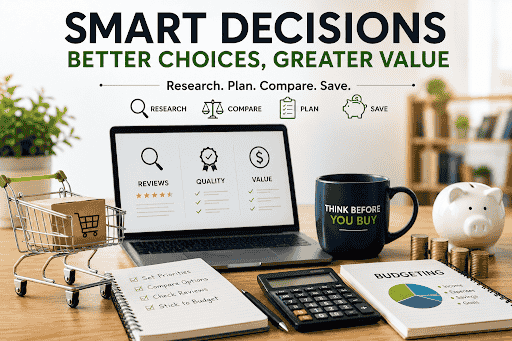
In today's marketplace, consumers have more options than ever before. From household essentials and wellness products to fashion accessories and technology, every purchase represents an investment of both money and trust. With countless brands competing for attention, making informed decisions has become increasingly important.
Rather than focusing solely on price, experienced shoppers evaluate durability, customer satisfaction, warranty policies, expert reviews, and long-term value. This approach reduces buyer's remorse while ensuring products continue delivering benefits long after the initial purchase.
Developing smarter shopping habits also encourages sustainable consumption. Purchasing quality products that last longer reduces unnecessary replacements, minimizes waste, and often saves money over time. Whether shopping online or in-store, consumers who research before buying consistently report greater satisfaction with their purchases.
Understanding What Creates Real Value
A common misconception is that the cheapest option always provides the best deal. In reality, true value comes from balancing cost, quality, reliability, and usability.
Before making a purchase, consumers should consider questions such as:
- How often will this product be used?
- Is it made from durable materials?
- What do verified customers say after several months of use?
- Does the manufacturer offer reliable customer support?
- Is the warranty sufficient?
These factors often reveal whether a product will remain useful over time or require replacement much sooner than expected.
The Importance of Reading Authentic Reviews
Customer reviews provide valuable insights that specifications alone cannot reveal. Real users frequently discuss:
- Product durability
- Ease of use
- Assembly experience
- Customer service quality
- Long-term performance
- Overall satisfaction
While individual opinions vary, reviewing patterns across numerous customer experiences often highlights consistent strengths and weaknesses.
Consumers should prioritize detailed reviews that explain both positive and negative experiences rather than relying exclusively on star ratings.
Buying Products That Support a Healthier Lifestyle
Many purchasing decisions directly affect physical and mental well-being. Home exercise equipment, ergonomic furniture, quality footwear, and wellness products all contribute to healthier daily routines.
Rather than purchasing equipment based solely on popularity, buyers should evaluate safety certifications, construction quality, ease of maintenance, and suitability for their available space.
Families with children may also benefit from selecting recreational equipment that encourages movement instead of excessive screen time. Choosing products designed for long-term use helps maximize both enjoyment and overall value.
Making Outdoor Exercise More Enjoyable
Outdoor activities continue gaining popularity because they combine physical exercise with fresh air and family interaction. Homeowners are increasingly transforming their backyards into spaces that encourage regular movement and recreation.
One growing trend involves investing in a fitness trampoline, which offers a low-impact cardiovascular workout suitable for many age groups. Unlike traditional running routines, rebound-based exercise places less stress on joints while improving balance, coordination, and endurance when used correctly.
Consumers considering this type of equipment should compare frame construction, weight capacity, safety features, replacement part availability, and manufacturer reputation before making a purchase. Reading long-term customer experiences can also provide valuable insight into durability and overall performance.
Looking Beyond Brand Recognition
Popular brands often attract attention because of strong marketing campaigns. However, successful consumers look deeper by evaluating objective performance, product longevity, and customer satisfaction.
Brand reputation certainly matters, but it should complement—not replace—careful research. Comparing multiple alternatives frequently reveals products that offer similar quality at different price points.
Understanding return policies, maintenance requirements, and after-sales support further contributes to making informed purchasing decisions.
Quality Matters in Personal Accessories
Personal accessories often become part of daily life, making quality an essential consideration. Watches, jewelry, bags, and similar products should combine functionality with long-lasting craftsmanship.
Consumers increasingly value products that maintain their appearance and performance over many years rather than following short-lived trends.
When selecting a premium watch, factors such as movement reliability, materials, water resistance, servicing options, and overall design deserve careful evaluation. For example, many buyers appreciate Tissot for its combination of Swiss craftsmanship, dependable engineering, and timeless styling that suits both professional and casual settings.
Investing in accessories that remain stylish over time often provides better long-term value than frequently replacing lower-quality alternatives.
Comparing Features Instead of Marketing Claims
Advertising naturally emphasizes product strengths. Smart consumers balance promotional information with independent research.
Helpful comparison factors include:
- Build quality
- Ease of maintenance
- Warranty coverage
- Customer support
- Product lifespan
- Verified customer satisfaction
- Availability of replacement parts
- Overall ownership cost
Evaluating these elements creates a more accurate picture than relying on promotional materials alone.
Budgeting for Long-Term Satisfaction
Responsible shopping begins with establishing realistic budgets before browsing products. This reduces impulse purchases while encouraging careful comparison between competing options.
Consumers should prioritize products that:
- Solve genuine needs
- Deliver consistent performance
- Require minimal maintenance
- Offer dependable warranties
- Maintain usefulness for years
Planning purchases in advance also creates opportunities to take advantage of seasonal promotions without sacrificing quality.
Recognizing the Value of Expert Guidance
Independent buying guides, product comparisons, and consumer education resources help simplify complex purchasing decisions.
Professional reviewers often conduct standardized testing that reveals differences difficult to identify from product descriptions alone. Combined with authentic customer feedback, expert analysis gives shoppers greater confidence before committing to significant purchases.
Consumers should consult multiple trustworthy sources rather than depending on a single review or influencer recommendation.
Building Better Shopping Habits
Strong shopping habits develop gradually through experience and research. Some of the most effective practices include:
- Research products before purchasing.
- Compare multiple brands.
- Read verified customer reviews.
- Consider long-term ownership costs.
- Evaluate warranty and customer support.
- Prioritize durability over short-term savings.
- Purchase based on genuine needs rather than impulse.
These habits reduce unnecessary spending while increasing overall satisfaction.
Final Thoughts
Thoughtful purchasing decisions rarely happen by accident. They result from careful research, objective comparisons, and a willingness to evaluate products beyond their marketing claims. By focusing on quality, reliability, and long-term value, consumers can build shopping habits that save money, improve everyday experiences, and lead to greater confidence in every purchase.