How Senior Living Furniture Companies Are Redefining Modern Care Spaces
By Eva Sharma 18-03-2026 136
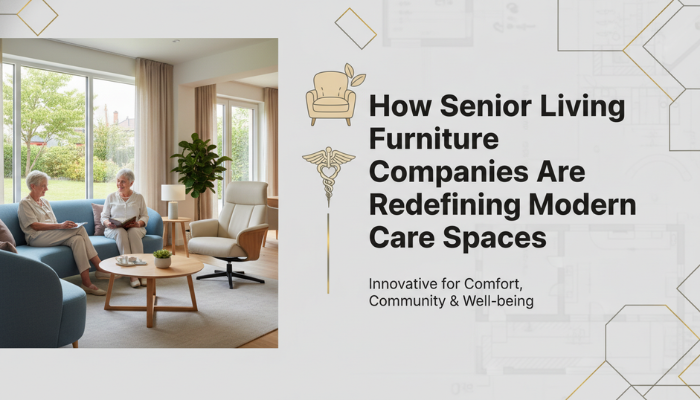
The landscape of long-term care is undergoing a significant transformation, moving away from clinical, sterile environments toward spaces that prioritize dignity, comfort, and personal style. Today, interior designers and facility administrators are looking for ways to create lifestyle destinations rather than just care centers. This shift is largely driven by Senior Living Furniture Companies that are blending residential aesthetics with contract-grade durability to meet the evolving expectations of the next generation of residents.
As the aging population grows, the demand for environments that support both physical health and mental well-being has never been higher. Modern design strategies focus on de-institutionalizing the atmosphere, ensuring that every piece of decor feels like home while providing the specialized support required for aging bodies.
The Evolution of Ergonomics in Senior Care
In the past, furniture for senior living facilities was often bulky, unattractive, and purely functional. However, ergonomic research has advanced significantly, allowing manufacturers to create pieces that support the unique biomechanics of seniors without looking like medical equipment. Chairs now feature subtle easy-out heights, firm seat cushions that prevent sinking, and extended armrests that provide a stable grip for sitting and standing.
These ergonomic improvements are vital for maintaining resident independence. When a resident feels confident in their ability to move safely within their environment, their quality of life improves. Manufacturers are now integrating these features into sleek, mid-century modern or contemporary designs that fit seamlessly into high-end lobbies and private suites.
Balancing Aesthetics with Clinical Functionality
The primary challenge for Senior Living Furniture Manufacturers is balancing beauty with the harsh realities of a healthcare environment. Fabrics must be moisture-resistant, antimicrobial, and easy to clean, yet they need to feel soft to the touch rather than plastic-like. Innovations in textile technology have introduced high-performance vinyls and treated chenille’s that mimic the look of luxury home upholstery while standing up to industrial-strength disinfectants.
Furthermore, the hidden engineering in this furniture is what sets premium providers apart. Anti-microbial finishes on wood surfaces and moisture barriers in seat cushions ensure longevity. This dual-focus approach ensures that the facility remains hygienic and durable without sacrificing the warm, inviting atmosphere that families look for when choosing a home for their loved ones.
Creating Social Hubs Through Strategic Layouts
Social isolation is a major concern in elderly care, and Senior Living Furniture plays a pivotal role in combating this issue. Modern facility design emphasizes neighborhood layouts where furniture is arranged to encourage spontaneous interaction. Small clusters of bistro tables, circular lounge arrangements, and cozy library nooks help foster a sense of community among residents.
By selecting versatile pieces that can be easily rearranged, facilities can transition spaces from quiet morning coffee spots to active afternoon game centers. The goal is to create multi-functional environments that adapt to the social rhythm of the residents, making the common areas feel like the heart of the home.
Safety Standards and Durability in High-Traffic Zones
For facility managers, the Total Cost of Ownership is a critical metric. Choosing Senior Living Furniture Companies that prioritize structural integrity is essential for long-term ROI. Furniture in these settings undergoes significantly more stress than residential furniture, requiring reinforced joints, heavy-duty glides, and stable bases that prevent tipping.
Safety isn't just about weight capacities; it’s about stability and weight distribution. Dining chairs, for example, must be stable enough to support a person leaning on the backrest for balance. Professional-grade furniture undergoes rigorous testing to meet fire codes and weight-bearing standards, ensuring that the investment remains safe and functional for years to age.
The Rise of Wellness-Focused Design
The concept of biophilic design incorporating natural elements into the indoor environment is gaining traction in the senior care sector. Senior living furniture suppliers are responding by offering more natural wood grains, earthy color palettes, and organic shapes. These elements are proven to reduce stress levels, lower blood pressure, and improve the overall mood of residents.
Beyond colors and materials, wellness-focused design also considers the sensory experience. Acoustic management is increasingly important; furniture with sound-absorbing properties can help reduce the echo in large dining halls, making it easier for residents with hearing aids to participate in conversations. This holistic approach to design ensures that the furniture supports the resident's psychological health as much as their physical safety.
Customization: Moving Away from One-Size-Fits-All
Personalization is a key trend in the industry. Families today want to feel that their loved ones are in a unique environment, not a cookie-cutter institution. Providing Furniture for Senior Living Facilities that offers a wide range of finish and fabric options allows designers to create distinct identities for different wings of a building, such as Memory Care, Assisted Living, and Independent Living.
In Memory Care units, specifically, furniture plays a functional role in wayfinding. Using specific colors or styles for certain areas can help residents navigate their surroundings more easily. Customization allows facilities to use design as a tool for cognitive support, reducing confusion and anxiety for residents dealing with dementia.
Trends in Furniture for Senior Living in USA
The American market is seeing a push toward Experiential Design, where the furniture helps define the brand of the community. In the USA, many luxury senior communities are taking inspiration from boutique hotels. This means incorporating statement pieces, high-back wing chairs with modern silhouettes, and sophisticated metal accents that provide a hospitality-first feel.
Furthermore, there is a growing emphasis on American-made quality and sustainability. Decision-makers are looking for furniture that is not only durable but also responsibly sourced. This trend reflects a broader consumer shift toward environmental consciousness, which is now influencing how healthcare and senior living procurement is handled at the corporate level.
Adapting to Memory Care Needs
Designing for Memory Care requires a deep understanding of cognitive decline. Best Senior Living Furniture for these environments avoids busy patterns that might cause visual hallucinations and utilizes high-contrast colors to help residents distinguish the seat from the floor. Rounded edges are mandatory to prevent injury, and simplicity is favored over complex mechanisms.
In these specialized units, the furniture must be exceptionally sturdy and tamper-proof. Designers often choose chairs with integrated handles on the backrests to assist staff in moving residents safely. By focusing on these minute details, furniture providers help create an environment that minimizes triggers and maximizes the remaining abilities of the residents.
The Role of Technology Integration
As technology becomes a staple in the lives of seniors, furniture is evolving to accommodate it. We are seeing an increase in lounge seating with integrated USB charging ports and side tables designed to hold tablets comfortably. This allows residents to stay connected with their families through video calls without struggling with cords or improper posture.
Additionally, some high-end furniture now incorporates smart sensors that can alert staff if a resident has been sedentary for too long or if a fall has occurred nearby. While the technology is often hidden, its integration into the physical environment is a testament to how far the industry has come in merging care with convenience.
Why Professional Sourcing Matters for Facility Longevity
Selecting the right partner from the many Senior Living Furniture Companies available is a strategic business decision. Professional-grade furniture is an investment in the facility’s reputation. When a family tours a community, the quality and condition of the furniture are among the first things they notice. Worn, dated, or residential-grade furniture that has failed under pressure sends a negative signal about the level of care provided.
By working with specialized manufacturers, facility owners ensure they receive expert guidance on fabric durability, frame construction, and compliance with local safety regulations. This expertise prevents costly replacement cycles and ensures that the facility remains competitive in an increasingly crowded market.
Conclusion: Setting a New Standard for Care
The future of senior living is bright, focused on creating vibrant, dignified, and beautiful spaces. By prioritizing ergonomic innovation, material durability, and resident-centered design, the industry is proving that care and style are not mutually exclusive.
As we look forward, the collaboration between facility operators and furniture experts will continue to push the boundaries of what is possible. Investing in high-quality, specialized furniture is more than an aesthetic choice it is a commitment to the health, happiness, and safety of the seniors who call these communities home. Through thoughtful design and strategic sourcing, modern care spaces are being redefined as places where residents don’t just live, but truly thrive.
Tags : senior living furniture hospitality