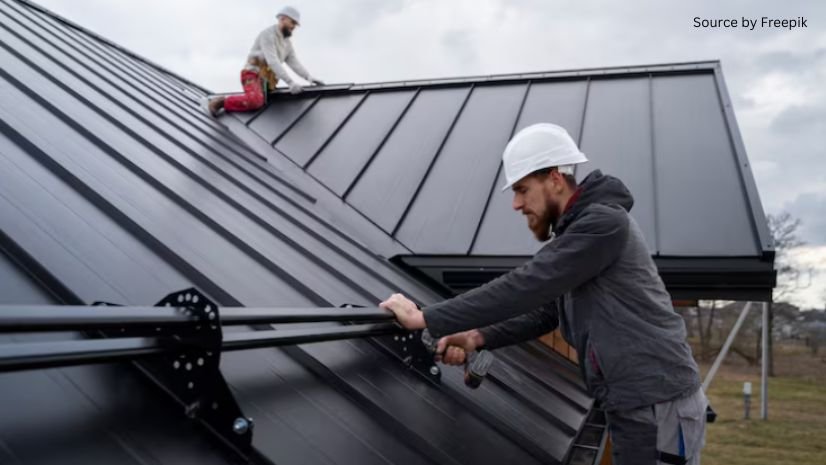
Storms can hit Port St. Lucie with strong winds and heavy rain. After that, your roof may look fine from the ground, but damage can still be there. Small issues can turn into leaks if you wait too long.
In many cases, you only notice the problem when water starts showing inside your home. That is why knowing the repair process helps you act early and avoid more damage.
When you understand how roof repair in Port St Lucie works after storm damage, you can make better choices about what to check, when to call for help, and what happens during repair.
This guide explains the process in simple steps, so you know what to expect after a storm.
What Happens During Roof Repair After Storm Damage
1. Roof check after the storm
After a storm passes, the first step is to check the roof. This helps find damage that you may not notice from the ground or inside the home. A roof check usually includes looking for:
- Missing or loose shingles
- Bent or lifted roof edges
- Debris stuck on the roof surface
- Water marks in attic spaces
- Signs of impact from branches or objects
Even if your roof looks fine, small cracks or lifted areas can still be present. These small changes can let water enter during the next rain.
You should avoid going on the roof yourself because surfaces may be wet or weak. A proper check helps identify problems early, before they require larger repairs.
2. Finding where water is entering
The next step is finding where water is entering the roof system. Storm damage often creates small openings that are not easy to spot at first. Common entry points include:
- Cracked or missing shingles
- Loose flashing near chimneys or vents
- Small gaps at roof joints
- Weak areas in roof valleys
- Nail holes exposed by wind damage
Water can move slowly through these areas and travel within the roof layers before appearing inside your home. That is why leak detection is an important step in the repair process.
Sometimes the entry point is far from where the water stain appears inside the house, so careful checking is needed.
3. Damage review and repair plan
Once damage is found, the next step is to review the roof's full condition. This helps decide what type of repair is needed and how large the work will be. At this stage, the process usually includes:
- Measuring damaged roof sections
- Checking underlayers for hidden issues
- Reviewing overall roof age and condition
- Listing parts that need repair or replacement
- Planning material requirements
This step is important because storm damage is not always limited to one area. Sometimes nearby sections also weaken even if they look fine from outside. A clear plan helps reduce repeated work and missed damage.
4. Temporary fixes for safety
In some cases, temporary fixes are done before full repair work begins. This helps protect your home from more water damage. Common temporary actions include:
- Covering damaged areas with protective tarp
- Sealing small visible cracks
- Blocking open gaps on the roof surface
- Redirecting water flow away from weak spots
These steps do not fully repair the roof. They only help control the situation until proper repair work starts. This is useful when more rain is expected in the area. Temporary protection also helps reduce damage to ceilings, walls, and insulation inside the home.
5. Full repair process explained
This is the main stage of roof repair. Here, damaged parts are repaired or replaced as needed. Work may include:
- Replacing broken shingles
- Fixing damaged roof boards
- Repairing underlayers
- Securing loose sections
During this stage, the focus is on restoring roof strength. Matching materials is also important to keep the roof level and stable.
6. Waterproof sealing work
After repairs, sealing work is done to reduce future water entry. This can include:
- Sealing nail holes
- Fixing joints and edges
- Strengthening roof valleys
- Applying waterproof layers
This step helps protect weak areas during future storms. It also reduces the chance of small leaks forming again in the same spots.
7. Final roof check and cleanup
The last step is a full check of the roof. This ensures all work is done properly.
Final checks include:
- Looking for leaks again
- Checking repaired areas
- Testing water flow
- Removing debris from roof and yard
Cleanup is also part of the process. It makes sure your home and yard are safe after repair work is finished.
Key Takeaways
Storm damage can affect your roof in ways that are not always easy to see. That is why following a clear process matters. You start with a roof check, then move through repair planning, fixing, sealing, and final inspection.
When you understand the steps, you can respond faster and reduce the risk of bigger problems inside your home. Roof issues often worsen when ignored, especially after heavy rain and wind in Port St. Lucie.
If you need help with storm-related roof issues, A Coast Roof LLC can assist with inspection and repair work for local homes.
Tags : roof repair port st lucie