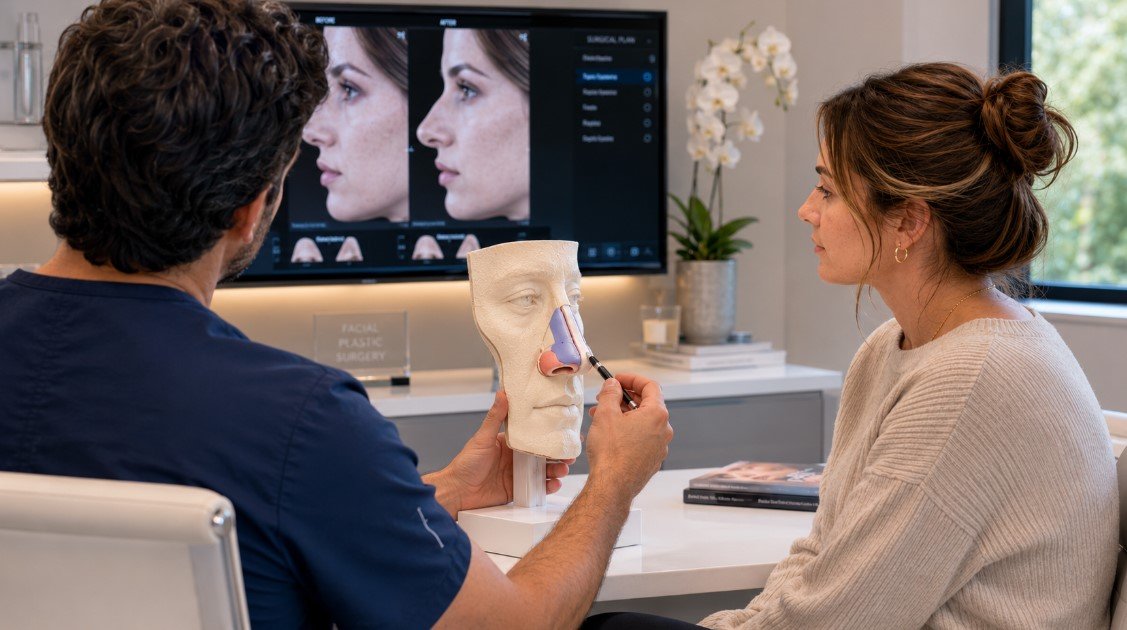
Many people think of rhinoplasty as a cosmetic procedure designed solely to change the appearance of the nose. While enhancing facial harmony is one of its most recognised benefits, rhinoplasty can also play an important role in improving breathing function. For individuals who experience nasal obstruction, structural irregularities, or breathing difficulties, rhinoplasty may provide both aesthetic and functional advantages, helping them feel more confident and comfortable in everyday life.
Interest in procedures such as Rhinoplasty Sydney continues to grow as more people learn about the dual benefits that nasal surgery can offer. Whether the goal is to refine the shape of the nose, correct a structural issue, or address long-standing breathing concerns, rhinoplasty can be tailored to meet individual needs while maintaining a natural and balanced appearance.
Understanding the Dual Purpose of Rhinoplasty
Rhinoplasty is a surgical procedure that reshapes or reconstructs the nose. While many patients seek treatment to improve the size, shape, or proportions of their nose, others pursue rhinoplasty to address functional issues that affect airflow through the nasal passages.
The nose plays a vital role in the respiratory system. It filters, warms, and humidifies the air before it reaches the lungs. When structural abnormalities interfere with this process, individuals may experience chronic congestion, difficulty breathing, snoring, or reduced airflow. Rhinoplasty can help correct these concerns while simultaneously enhancing the nose’s appearance.
Enhancing Facial Balance and Proportion
The nose is one of the most prominent features of the face. Even minor changes can significantly influence overall facial harmony and balance. Rhinoplasty can be used to address a variety of cosmetic concerns, including:
- A prominent nasal hump
- A crooked or asymmetrical nose
- A bulbous or wide nasal tip
- Nostrils that appear too large or uneven
- A nose that is disproportionate to other facial features
By refining these characteristics, rhinoplasty can create a more balanced facial profile while preserving individual features and maintaining a natural look. The objective is not to create a completely different appearance but rather to achieve better facial symmetry and proportion.
Correcting Structural Problems That Affect Breathing
Many breathing difficulties originate from structural abnormalities within the nose. These issues may be present from birth, develop over time, or result from injury or trauma.
One common cause of breathing problems is a deviated septum. The septum is the wall of cartilage and bone that separates the two nasal passages. When it is significantly displaced, airflow can become restricted, making it difficult to breathe through one or both sides of the nose.
Other structural concerns that may impact breathing include:
- Collapsed nasal valves
- Enlarged nasal structures
- Previous nasal injuries
- Congenital nasal abnormalities
Rhinoplasty can address these underlying issues by improving the internal framework of the nose and creating more efficient airflow pathways.
Improving Daily Comfort and Quality of Life
Breathing difficulties can affect many aspects of daily life. Individuals with restricted airflow often experience symptoms such as persistent nasal congestion, disrupted sleep, mouth breathing, headaches, and fatigue.
When nasal function is improved, many people notice positive changes in their overall wellbeing. Better airflow can contribute to:
- Improved sleep quality
- Reduced snoring
- Enhanced exercise performance
- Increased energy levels
- Greater comfort during daily activities
The ability to breathe freely through the nose can have a significant impact on physical comfort and long-term health.
Addressing the Effects of Nasal Trauma
Sports injuries, accidents, and falls can alter both the appearance and function of the nose. Trauma may lead to visible deformities such as a crooked nose while also causing internal damage that restricts breathing.
In these situations, rhinoplasty can help restore the nose's structural integrity. By correcting fractures, realigning cartilage, and repairing damaged tissue, the procedure can improve facial appearance while simultaneously restoring normal airflow.
Many individuals who have suffered nasal injuries find that addressing both cosmetic and functional concerns together provides a more comprehensive outcome.
The Connection Between Appearance and Confidence
While the functional benefits of rhinoplasty are important, the psychological impact of improved appearance should not be overlooked. Many people feel self-conscious about the size or shape of their nose, particularly if it draws attention away from other facial features.
When the nose is brought into better proportion with the rest of the face, individuals often experience increased confidence and improved self-esteem. Feeling more comfortable with one's appearance can positively influence social interactions, professional situations, and overall quality of life.
Importantly, successful rhinoplasty focuses on creating natural-looking results that complement the individual rather than dramatically changing their identity.
Customised Treatment for Individual Needs
No two noses are exactly alike, and every person's goals are different. Some individuals prioritise cosmetic improvements, while others are primarily concerned with breathing function. In many cases, both objectives can be addressed during the same procedure.
A personalised approach allows surgical planning to consider facial structure, nasal anatomy, lifestyle factors, and desired outcomes. By carefully balancing aesthetic refinement with functional enhancement, rhinoplasty can deliver results that support both appearance and health.
Long-Term Benefits of Rhinoplasty
One of the key advantages of rhinoplasty is that the results are generally long-lasting. Once the nose has fully healed and stabilised, patients can enjoy the benefits for many years.
Improved breathing function may reduce ongoing discomfort associated with nasal obstruction, while aesthetic enhancements can provide lasting satisfaction with facial appearance. Because the procedure addresses underlying structural concerns, the improvements often extend well beyond cosmetic changes alone.
Conclusion
Rhinoplasty offers much more than cosmetic enhancement. By improving the shape, structure, and function of the nose, it can help individuals achieve greater facial balance while also addressing breathing difficulties that affect daily life. Whether correcting structural abnormalities, restoring the effects of trauma, or refining facial harmony, rhinoplasty provides a unique combination of aesthetic and functional benefits. For many people, the result is not only a more balanced appearance but also improved comfort, confidence, and overall wellbeing.
Tags : Rhinoplasty Breathing