If there's one thing that separates a well-run drinks category from a badly run one, it's velocity. Energy drinks and soft drinks don't sit quietly on a shelf waiting for a weekly delivery. They move by the hour, tied to footfall, weather, and location. And a supplier who doesn't understand that rhythm will leave you with empty fridges at the worst possible moment.
For convenience retailers, supermarkets, gyms, and HORECA buyers in Spain, sourcing this category properly comes down to three things: velocity planning, authenticity, and stocking discipline. For retailers in Spain, getting this category right means understanding three things: velocity, authenticity, and stocking discipline.
Understand the Category's Real Velocity
Energy drinks and soft drinks are two of the fastest-moving segments in FMCG. However, they don't move the same way across every venue. A gym fridge sells single cans constantly, tied to daily footfall. A convenience store near transport hubs sees sharp spikes at commuter times. A HORECA venue's demand shifts with the season and, in Spain especially, with tourism. Retailers need a distributor who can genuinely keep up with these demands. Partnering with one who falls short on quality or volume is a decision you'll likely regret.
A soft drink distributor who applies one restocking schedule across all of these channels is setting retailers up for stockouts. Ask a prospective supplier how they adjust delivery frequency across different channel types, rather than judging them on order size alone. Their answer will reveal whether they genuinely understand velocity or are simply telling you what you want to hear.
Names Retailers Ask For — and What to Actually Verify
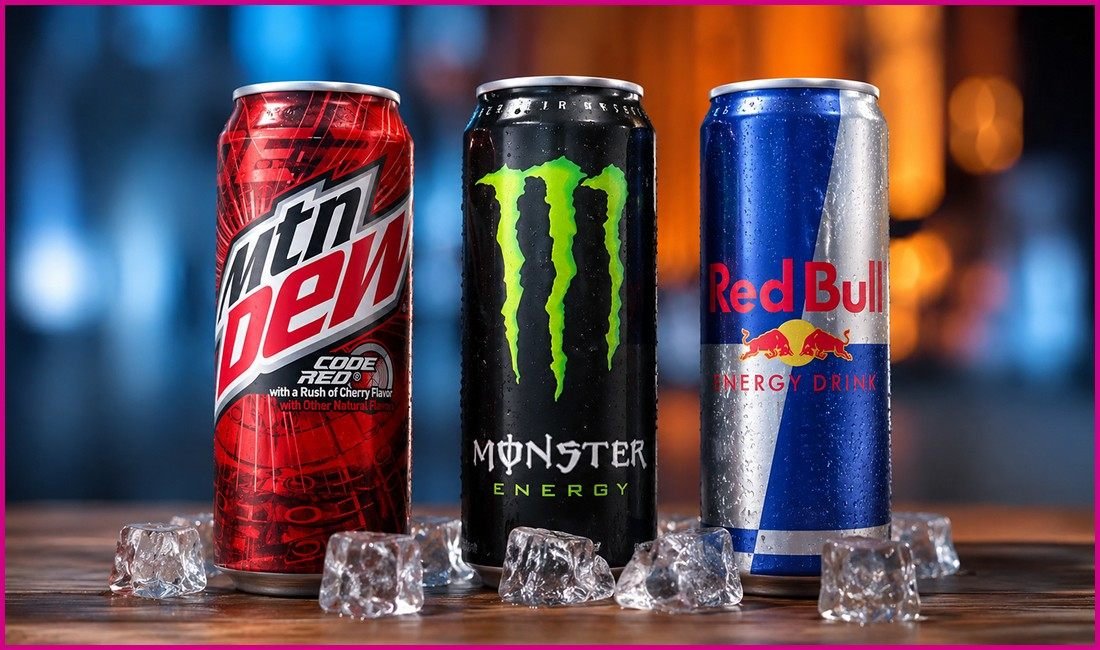
Monster Energy Drink is one of the names retailers ask about most often when sourcing energy drinks for fast-moving fridges. With that, Red Bull, which remains the category leader in most convenience and HORECA settings. Both compete for the same shelf space. And both carry real stockout risk if a distributor can't keep pace with turnover.
Not every distributor advertising an energy drink brand actually holds consistent stock of it. Retailers should be cautious before committing to any FMCG supplier that markets itself as a trusted energy drink distributor in Spain without backing that claim up. Ask directly for confirmation of current portfolio status before placing a large order. Treat a vague or evasive answer as a warning sign. You should avoid just taking formalities. A distributor confident in their supply will confirm this without hesitation.
Authenticity Matters More in This Category Than Most Buyers Assume
Energy drinks carry strict labeling requirements. They come with caffeine content disclosures specific to the Spanish and EU market. An FMCG distributor should be able to confirm stock is correctly labeled. And the products are sourced through legitimate channels and rotated properly. It should not be like claiming fast delivery.
This matters for soft drinks too. Fanta and the wider Coca-Cola range move steadily across supermarkets and HORECA venues, with a clear seasonal lift through the summer tourist season. A distributor supplying this category should be able to speak to batch tracing and shelf-life management with the same confidence they'd apply to any other FMCG product. If an FMCG distributor can provide documentation showing they source directly from manufacturers, that's a strong signal of authenticity. Sourcing products from direct manufacturers shows that there must be quality, freshness, and credibility in their products that they distribute.
Stocking Discipline Is Where Most Retailers Lose Money
The biggest cost in this category rarely shows up on an invoice. It shows up as an empty fridge during a Friday evening rush or a gym cooler running dry two days before the next scheduled delivery.
Good stocking discipline starts with format matching—single cans for high-turnover venues, multipacks for shelf stacking, and case-level orders for HORECA and catering. A distributor who defaults to one format regardless of channel is optimizing for their convenience, not the retailer's actual sales pattern.
Good stocking starts with matching the format to the venue. Single cans work where turnover is fast, multipacks make sense for shelf stacking, and case-level orders suit HORECA and catering. If a distributor ships the same format everywhere regardless of who they're dealing with, they're optimizing for their own convenience — not for how the retailer actually sells.
Connect with Falcon Gallant For Quality Energy Drinks and Soft Drinks
An experienced distributor should understand the requirements of different retail and HORECA channels and help buyers select suitable pack sizes and order quantities. Falcon Gallant is a leading FMCG distributor and exporter company in Spain. We support retailers with a broad beverage portfolio and focus on reliable FMCG distribution. Buyers can also discuss product availability, packaging, shelf life, and delivery requirements before placing an order. This gives retailers a clearer view of what they are purchasing and helps them build a more dependable beverage supply chain.
Final Thoughts
Beverage sourcing rewards distributors who plan around actual velocity, not average demand. Retailers evaluating a Red Bull distributor in Spain, or comparing options across the wider energy and soft drink category, should push past the brand list and ask specifically how a supplier handles channel-specific stocking, labeling compliance, and mixed-category delivery. Those details, more than the catalogue, determine whether your fridges stay full or run empty during the hours that actually matter.