How Renewable Energy Projects Get Built: The Origination Process Explained
By jack martin 31-07-2026 43
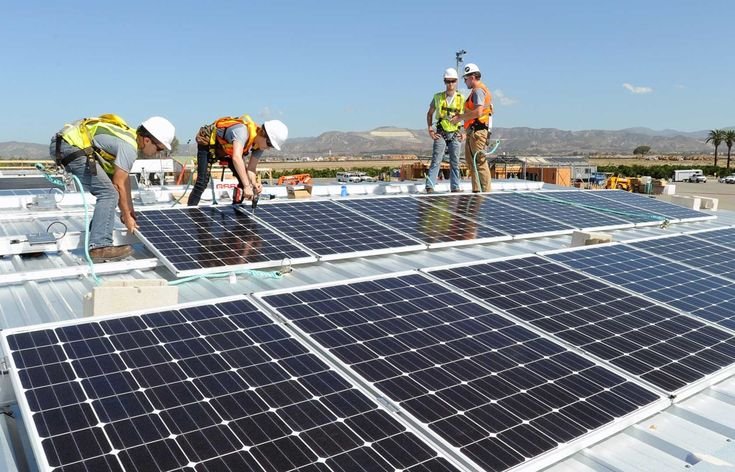
Renewable energy is growing fast. Solar farms are popping up across farmland. Wind turbines now dot the American plains. Hydro projects generate electricity for communities across river basins and mountainous regions. But here's a question nobody asks: How do these projects actually start?
The answer lies in renewable energy project origination.
Most people think renewable projects happen by accident. A solar company needs power. They build a solar farm. End of story. The real process is far more complex. It takes years. It involves hundreds of decisions. Money, land, permits, and people all collide in ways that separate successful projects from failed ones.
This guide walks you through what project origination actually means. You'll learn why it matters. You'll understand the people and processes behind every wind turbine or solar installation you see and how OnCore Origination supports projects from the very beginning.
What Is Renewable Energy Project Origination?
Project origination is the starting point for every renewable energy development. Think of it like this. You want to build a house. Origination is everything that happens before you break ground. You scout land. You check zoning laws. You talk to the neighbors. You plan where rooms will go. You estimate costs.
In renewable energy, origination means identifying locations where clean energy projects can work. It means researching the land. It means understanding the people who own it. It means checking if the site has enough sun, wind, or water flow to make the project worth building. Origination is where every project begins. Without it, developers waste time and money chasing dead ends. OnCore Origination helps developers identify viable opportunities before making significant investments.
Why Does Project Origination Matter?
Most potential renewable sites never become real projects. A developer might identify 100 possible locations for a solar farm. Maybe 20 have good sun exposure. Of those 20, perhaps 5 have the right land access. Of those 5, maybe 2 actually get built.
This isn't failure. It's how the industry works. Project origination cuts through the noise early. It saves money. It saves time. It points developers toward sites that actually work. For investors, origination matters too. A well-originated project is less risky. The permitting goes faster. The construction costs stay predictable. The power generation meets expectations. OnCore Origination and other firms in this space do deep work upfront so developers avoid expensive mistakes later.
The Four Pillars of Successful Project Origination
1. Site Identification and Land Analysis
Everything starts with the right location. Solar needs sunshine. Wind needs consistent flow. BESS projects work best near substations. EV charging stations and data centers need specific grid access. Developers map conditions using satellite data and climate records. They measure solar hours, wind speeds, and grid capacity. Location also means logistics; can trucks reach the site? Are power lines nearby? A perfect solar site means nothing if the substation is 50 miles away. OnCore Origination evaluates these factors before a project moves forward.
2. Land Rights and Lease Negotiation
Developers need landowner permission. Farmers lease land to solar companies. Property owners allow turbines on their land. Easement procurement services handle grid access rights. The developer pays annual rent based on project size and output. Lease negotiations take time, farmers worry about crop damage, owners question property values. The developer must answer honestly and offer fair terms. Many projects stall here when developers can't strike deals. Proper origination secures land rights early, before spending on permitting and design.
3. Regulatory and Environmental Review
Government rules exist for every project type. Permitting is the gatekeeper. County governments approve projects. State agencies review environmental impact. Federal agencies step in for protected lands or species. A smart origination team starts early. They talk to planners before filing applications. They hire environmental consultants to run studies. Telecom projects and datacenters face different regulatory paths. Good origination predicts issues and steers developers toward sites regulators will actually approve. OnCore Origination works with these requirements early to reduce project delays.
4. Economic Feasibility
Numbers decide everything. Developers run financial models for every site. They calculate build costs, estimate power generation, and project revenue. Economics vary by location and technology. Solar generation varies significantly by region due to climate and sunlight availability. Wind works differently in Texas versus Vermont. Power prices vary by region. Government incentives change. BESS projects and EV charging stations have different financial profiles. Good origination teams use real data. If economics don't work, they say so.
Common Challenges in Project Origination
Not every idea becomes a real project. Several obstacles stop projects dead.
- Land access issues top the list. A developer finds perfect land but can't negotiate a lease. The owner won't partner. Or the owner passes away, and their heirs have different priorities. This kills more projects than you'd think.
- Permitting roadblocks stop many projects. A county planning board rejects the proposal. A state agency raises concerns about environmental impact. Federal agencies flag issues. Permitting takes longer than expected. The developer loses funding or loses patience.
- Grid connection problems matter too. The nearest power line has no capacity. The utility wants expensive upgrades. The cost makes the project uneconomical.
- Market timing affects projects. Power prices drop. Government incentives expire. Interest rates rise. The financial case weakens. What looked good in year one looks bad in year three.
- Community opposition can derail projects. Neighbors file lawsuits. They pack county meetings with complaints. Litigation adds years and costs to the timeline.
Good origination work doesn't eliminate these challenges. It identifies them early when solutions are cheaper and easier, which is a core focus of OnCore Origination.
What Makes a Good Origination Partner
If you're a developer looking for origination support, what should you look for?
Local knowledge matters most: Does the firm have relationships in the region? Do they know county planners? Have they worked with landowners before? Do they understand local permitting quirks?
Track record counts: How many projects has the firm originated? How many actually reached construction? Long track records reveal whether projects are real or theoretical.
Honest analysis: Does the firm tell you when a site won't work? Good origination partners deliver bad news when it's deserved. They protect your interests by steering you away from losers.
Speed and efficiency: Time matters in renewable energy. Government incentives expire. Power prices change. Market windows close. Does the firm move fast without cutting corners?
Regulatory expertise: Permitting knowledge is gold. Does the team understand federal, state, and local rules? Can they navigate agency meetings and procedures?
Financial capability: Can the firm fund initial studies? Do they have the financial strength to stick with a project through long development timelines? OnCore Origination combines industry expertise with a practical approach to renewable energy project origination.
Frequently Asked Questions
- What's the difference between origination and development?
Origination identifies and proves a site is viable. Development takes that proven site and designs the actual project, including detailed engineering and formal permits. - How long does origination take?
Six months to two years depending on site complexity and local factors. Some simple sites move faster. Complex projects with permitting challenges take longer. - How do you evaluate an origination services firm?
Check their track record. Talk to past clients. Ask about projects that reached construction. Evaluate their local knowledge and regulatory expertise. Assess their financial capability and speed.
Conclusion
Renewable energy project origination is the unglamorous work that enables the clean energy future. Nobody sees origination in the news. You don't read headlines about site identification or lease negotiations. But these activities determine which solar farms and wind projects actually get built. For developers, origination is where successful projects begin. For landowners, origination firms represent the first step toward potential revenue from their land. For the clean energy industry, strong origination feeds the pipeline of projects that power our transition away from fossil fuels. The best renewable energy projects don't happen by luck. They start with thorough origination work. They require the right land, the right regulations, the right economics, and the right partnerships. That's why project origination matters. And that's why it will remain central to renewable energy development for decades to come. OnCore Origination continues to help developers identify and advance high-potential renewable energy projects.
Tags : .....