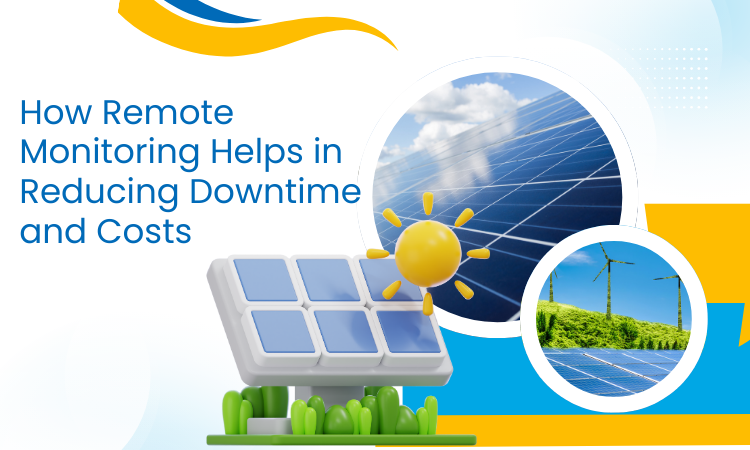
In today’s competitive business environment, downtime isn’t just an inconvenience—it’s a direct hit to productivity, customer satisfaction, and revenue. Whether it’s a manufacturing plant, data center, power distribution system, or healthcare facility, every minute of downtime adds to operational and financial strain. Fortunately, technology has evolved to give businesses better control, visibility, and reliability through remote monitoring systems.
These smart monitoring solutions provide real-time oversight of equipment and infrastructure, helping organizations minimize downtime and manage costs more effectively. Let’s explore how remote monitoring works, why it matters, and the specific ways it reduces expenses while keeping systems running smoothly.
What Is Remote Monitoring?
Remote monitoring is the process of using sensors, communication networks, and cloud-based platforms to track the performance and health of equipment or infrastructure from a distance. Instead of relying on manual checks or waiting for breakdowns, businesses gain continuous insights into key parameters—such as temperature, voltage, current, vibration, and humidity—through real-time dashboards and alerts.
Modern IoT-driven systems also integrate predictive maintenance and advanced analytics, ensuring that managers and technicians can access actionable data anytime, anywhere. This kind of proactive monitoring enhances both operational efficiency and equipment performance.
The True Cost of Downtime
Before diving into how remote monitoring helps, it’s worth understanding what’s at stake:
- Unplanned downtime disrupts operations, halts production, and in some cases, damages reputation and customer trust.
- Emergency maintenance is often far more costly than scheduled maintenance because it involves urgent parts delivery, overtime wages, or external service calls.
- Inefficient energy use or unnoticed equipment stress adds hidden operational expenses.
- Labor inefficiency grows when teams spend valuable hours conducting manual inspections that could be automated.
- Asset wear and tear accelerates if issues aren’t detected early, reducing equipment lifespan.
Remote monitoring directly addresses all of these challenges.
How It Reduces Downtime
- Real-Time Alerts and Notifications
Systems continuously monitor performance and immediately alert teams when something deviates from safe operating limits. For instance, a sudden spike in current or a rise in equipment temperature triggers instant notifications, enabling rapid response before damage occurs.
- Continuous Data Collection and Analysis
By gathering data around the clock, remote monitoring reveals patterns and trends that would otherwise go unnoticed. This allows managers to spot gradual declines in performance—such as increased vibration in a motor—before a full breakdown occurs.
- Predictive Maintenance Capabilities
Remote monitoring shifts maintenance strategies from reactive to predictive. Instead of repairing equipment after it fails, the system forecasts when maintenance is due, ensuring timely interventions that prevent major outages.
- Remote Diagnostics and Troubleshooting
Many problems can be analyzed without visiting the site. Engineers can view dashboards, check error codes, and understand the nature of the problem remotely. This reduces diagnosis time and ensures technicians arrive prepared with the right tools and parts.
- Automatic Failover and Backup Activation
Advanced remote monitoring solutions can even initiate automatic switching to backup systems if primary equipment shows early signs of failure. This minimizes the impact of downtime on operations.
- Smarter Scheduling of Maintenance
Instead of sticking to rigid, time-based schedules, remote monitoring allows organizations to perform maintenance only when needed. This reduces unnecessary system interruptions while preventing unexpected breakdowns.
How It Lowers Costs
Remote monitoring delivers cost savings in several critical areas:
- Emergency Repair Costs – Traditional setups often lead to costly emergency interventions, including overtime labor and urgent part deliveries. With remote monitoring, issues are detected early, enabling planned repairs, bulk ordering of parts, and fewer emergency service calls.
- Unplanned Downtime Losses – Downtime halts production, spoils goods, or disrupts services, leading to lost revenue. Remote monitoring ensures higher uptime, steady productivity, and reduced waste.
- Labor Costs – Manual inspections demand constant staff presence. Remote systems minimize these checks by providing oversight from anywhere, allowing technicians to be dispatched only when truly needed.
- Energy and Efficiency Waste – Equipment running outside optimal conditions consumes excess energy and experiences performance losses. Remote monitoring identifies inefficiencies quickly, helping businesses optimize energy use and lower utility bills.
- Equipment Replacement and Depreciation – Harsh failures often cause irreversible damage, forcing premature replacements. By detecting problems early, remote monitoring prevents cascading failures and extends the life of equipment.
Real-World Applications
The advantages of remote monitoring can be seen across industries:
- Power and Energy: Monitoring voltage, current, and load conditions helps prevent power outages and ensures consistent supply. Systems can automatically balance loads or trigger backup power when required.
- Manufacturing: Machines are constantly in use, and even a small malfunction can halt production. Sensors track vibrations, heat, and pressure, allowing managers to act before a major failure occurs.
- Facility Management: From HVAC systems to backup generators, monitoring ensures that critical systems remain reliable. Early detection of cooling issues or generator battery failures prevents expensive breakdowns.
- IT and Data Centers: Monitoring temperature, humidity, and power use helps avoid overheating, system crashes, or costly data loss, all of which could damage customer trust.
- Healthcare: Hospitals depend on uninterrupted service. Remote monitoring ensures medical equipment, backup power, and climate systems remain operational without unexpected failures.
Best Practices for Effective Remote Monitoring
While the benefits are clear, successful implementation requires attention to detail:
- Use high-quality sensors to avoid false alarms and ensure reliable data.
- Set smart alert thresholds so teams aren’t overwhelmed with unnecessary notifications.
- Ensure secure connectivity through encryption and access controls, especially when dealing with sensitive infrastructure.
- Plan for redundancy with backup communication channels to handle outages in connectivity.
- Train staff to interpret and act on monitoring data, turning insights into practical action.
- Track ROI by measuring downtime reduction, maintenance savings, and energy efficiency improvements.
Final Thoughts
Remote monitoring is no longer a luxury—it’s a necessity for organizations that want to achieve higher uptime, predictive maintenance, and overall operational efficiency. By identifying inefficiencies early and preventing costly breakdowns, businesses can save significantly on energy bills, labor costs, and asset replacements.
Companies like Logics Power AMR are bringing innovative, cloud-based monitoring solutions that make it easier for industries to access real-time data, reduce downtime, and ensure long-term reliability. Investing in such technology is not just about preventing failures—it’s about building smarter, more cost-efficient operations for the future.
Tags : .....