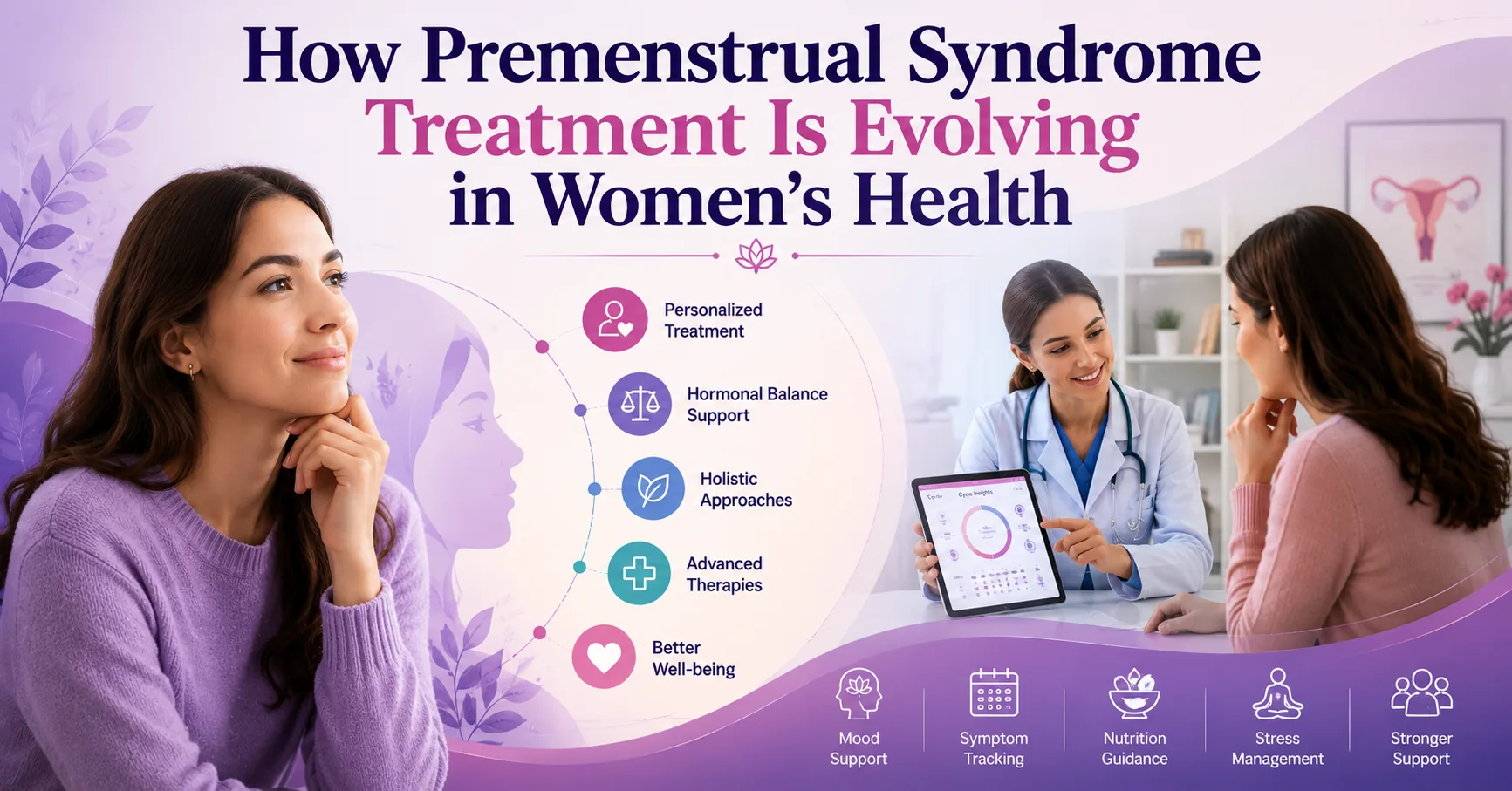
Premenstrual syndrome treatment has become an increasingly important area within women’s healthcare as awareness of menstrual health conditions continues to grow worldwide. Premenstrual syndrome (PMS) affects millions of women and can involve a combination of physical, emotional, and behavioral symptoms that occur before menstruation. The growing recognition of these symptoms and their impact on daily life has encouraged healthcare providers and researchers to focus on more effective treatment approaches.
Advancements in medical research, changing attitudes toward women’s health, and improved access to healthcare services are contributing to the development of new treatment strategies. As healthcare systems place greater emphasis on quality of life and preventive care, the demand for effective PMS management solutions continues to increase. These developments are shaping the future of the Premenstrual Syndrome Treatment industry and influencing healthcare priorities across multiple regions.
Growing Awareness Is Driving Treatment Adoption
One of the most significant factors supporting the adoption of PMS treatments is increasing awareness regarding menstrual health. Educational initiatives, healthcare campaigns, and digital health platforms have helped women better understand PMS symptoms and seek appropriate medical guidance. This shift has reduced the stigma surrounding menstrual disorders and encouraged more proactive healthcare decisions.
Healthcare professionals are also placing greater emphasis on diagnosing and managing PMS through personalized treatment plans. According to the World Health Organization’s adolescent health resources, addressing reproductive and menstrual health concerns plays a critical role in improving overall well-being and quality of life. As awareness grows, more women are seeking medical consultations, resulting in higher utilization of treatment options.
Advances in Therapeutic Approaches and Medications
The treatment landscape for PMS has expanded beyond traditional pain management methods. Healthcare providers now use a combination of pharmaceutical therapies, hormonal treatments, lifestyle modifications, and psychological support to address a broader range of symptoms. This multidisciplinary approach helps improve treatment outcomes while addressing the diverse experiences of patients.
Pharmaceutical companies and research institutions continue to explore new therapies that target hormonal fluctuations, mood-related symptoms, and physical discomfort associated with PMS. As per a study published by MarkNtel Advisors, the Premenstrual Syndrome Treatment Market is projected to reach USD 1.99 billion by 2030, growing at a CAGR of around 4.88% during the forecast period. This growth reflects increasing attention toward innovative treatment solutions and improved patient care.
Digital Health Tools Are Transforming Patient Management
Digital healthcare technologies are creating new opportunities for PMS management. Mobile applications, symptom-tracking platforms, and telemedicine services enable women to monitor menstrual cycles, identify symptom patterns, and communicate more effectively with healthcare providers. These technologies support earlier intervention and more personalized treatment recommendations.
The integration of digital tools also improves patient engagement and treatment adherence. Women can access educational content, track medication schedules, and receive reminders that help manage symptoms more consistently. According to the National Center for Biotechnology Information (NCBI), digital health solutions are increasingly supporting reproductive health management through data-driven monitoring and patient-centered care models.
Role of Lifestyle and Holistic Care in PMS Management
Healthcare experts increasingly recognize that PMS treatment extends beyond medication alone. Lifestyle interventions such as regular exercise, balanced nutrition, stress management, and adequate sleep are often recommended as part of comprehensive treatment plans. These strategies can help reduce symptom severity while improving overall physical and mental health.
Holistic approaches, including mindfulness practices and behavioral therapy, are also gaining attention among healthcare providers. Such interventions can be particularly beneficial for women experiencing emotional symptoms such as anxiety, irritability, or mood fluctuations. The growing emphasis on preventive healthcare has encouraged broader adoption of these supportive treatment methods.
Regional Healthcare Improvements Supporting Growth
Healthcare infrastructure development across emerging and developed economies is improving access to women’s health services. Government initiatives focused on reproductive health, increased healthcare spending, and expanding insurance coverage are making PMS diagnosis and treatment more accessible. These improvements contribute to earlier identification of symptoms and better long-term patient outcomes.
In addition, pharmaceutical innovation and increased investment in women’s healthcare research are creating opportunities for healthcare providers to offer more specialized treatment options. Growing collaboration among healthcare institutions, policymakers, and industry stakeholders continues to strengthen the overall treatment ecosystem.
Future Outlook for Premenstrual Syndrome Treatment
The future of PMS treatment is expected to be shaped by personalized medicine, digital healthcare integration, and continued advancements in reproductive health research. Healthcare providers are increasingly adopting patient-centered approaches that consider individual symptom profiles, lifestyle factors, and treatment preferences.
As awareness, diagnosis rates, and healthcare accessibility continue to improve, the PMS treatment landscape is likely to become more comprehensive and effective. Ongoing innovation in therapeutic solutions and supportive care strategies will remain essential for addressing the evolving needs of women worldwide while enhancing overall quality of life and health outcomes.
Tags : .....