Pests are more than just an inconvenience—they can pose serious risks to both your health and the structural integrity of your home. From insects and rodents to termites and cockroaches, unwanted intruders can spread diseases, trigger allergies, and cause costly damage if left unchecked. Understanding how pests affect your living environment is the first step toward protecting your family and property.
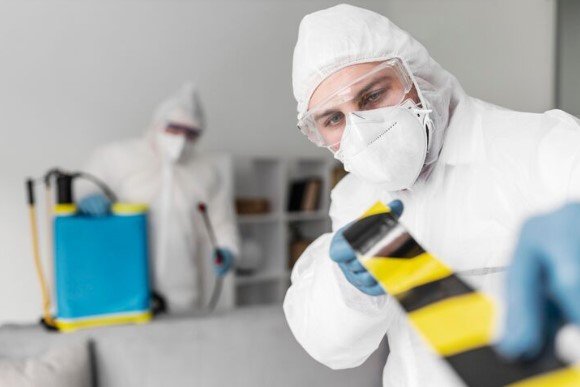
In many situations, homeowners only realize the severity of an infestation when it’s too late. That’s why timely emergency pest control is essential to prevent pests from multiplying and causing long-term harm. Whether it’s a sudden rodent invasion or a termite outbreak, quick action can make all the difference in safeguarding your home and well-being.
The Hidden Dangers of Pest Infestations
Pests are often silent invaders, working behind the scenes and causing damage before you even notice their presence. Their impact extends far beyond visible annoyance, affecting both health and safety in multiple ways.
Health Risks Caused by Pests
One of the most concerning effects of pests is their ability to spread diseases. Many common household pests carry bacteria, viruses, and parasites that can lead to serious health conditions.
Rodents such as rats and mice are known to spread diseases like salmonella and hantavirus through their droppings and urine. Cockroaches can contaminate food surfaces and trigger asthma and allergy symptoms, especially in children. Mosquitoes are notorious for transmitting illnesses such as West Nile virus and dengue fever.
Even seemingly harmless pests like ants can contaminate food supplies, making your kitchen unsafe. Bed bugs, while not known to transmit diseases, can cause itchy bites, skin irritation, and sleep disturbances that affect your overall well-being.
Allergies and Respiratory Issues
Pests can significantly impact indoor air quality, leading to respiratory problems. Cockroach droppings, shed skin, and saliva contain allergens that can worsen asthma symptoms. Dust mites, although microscopic, are another major contributor to indoor allergies.
Over time, exposure to these allergens can lead to chronic respiratory conditions, particularly in vulnerable individuals such as children, the elderly, and those with pre-existing health issues.
Food Contamination and Hygiene Concerns
Pests are constantly searching for food, and your kitchen is a prime target. When pests come into contact with food or preparation surfaces, they can introduce harmful bacteria.
Rodents often chew through packaging, leaving behind droppings and urine. Flies can transfer bacteria from waste to your food within seconds. This contamination increases the risk of foodborne illnesses, making it essential to maintain a pest-free environment.
Structural Damage and Home Safety Risks
Beyond health concerns, pests can cause extensive damage to your home, compromising its safety and value.
Termite Damage to Wooden Structures
Termites are among the most destructive pests when it comes to property damage. They feed on wood, silently weakening the structural framework of your home.
Over time, termite infestations can damage beams, flooring, and even furniture. Because they often operate out of sight, the damage can go unnoticed until it becomes severe and expensive to repair.
Electrical Hazards from Rodents
Rodents have a natural instinct to gnaw, and unfortunately, this includes electrical wiring. Chewed wires can lead to short circuits, increasing the risk of electrical fires.
This type of damage is not only costly to fix but also poses a serious safety hazard for your household. Regular inspections and prompt pest control measures can help prevent such risks.
Damage to Insulation and Property
Pests like rodents and insects can damage insulation, reducing your home’s energy efficiency. They may also create nests in walls, attics, and crawl spaces, leading to unpleasant odors and additional maintenance issues.
In some cases, pests can even damage personal belongings such as clothing, books, and stored items, resulting in financial losses.
Psychological Impact of Pest Infestations
Living with pests can take a toll on your mental health. The constant presence of unwanted intruders can lead to stress, anxiety, and discomfort.
Sleep disturbances are common, especially in cases involving bed bugs or rodents. The fear of bites, contamination, or property damage can make it difficult to relax in your own home.
For many homeowners, the embarrassment of having pests can also affect social interactions, making them hesitant to invite guests over.
Preventing Pest Infestations
Prevention is always better than cure when it comes to pest control. Taking proactive steps can help you avoid the health and safety risks associated with infestations.
Start by maintaining cleanliness throughout your home. Regularly dispose of garbage, clean food spills, and store food in sealed containers. Seal cracks and gaps in walls, doors, and windows to prevent pests from entering.
Proper ventilation and moisture control are also crucial, as many pests thrive in damp environments. Fixing leaks and ensuring good airflow can make your home less attractive to pests.
Routine inspections by pest control professionals can help identify potential issues early, allowing you to address them before they escalate.
When to Seek Professional Help
While DIY solutions may work for minor issues, larger infestations require professional expertise. Pest control specialists have the knowledge, tools, and treatments needed to effectively eliminate pests and prevent their return.
If you notice signs such as droppings, unusual noises, damaged wood, or persistent pest sightings, it’s time to seek help. Delaying action can lead to more severe problems and higher costs in the long run.
Professional services not only address the current infestation but also provide long-term solutions to keep your home safe and pest-free.
Conclusion
Pests can have a significant impact on both your health and home safety. From spreading diseases and triggering allergies to causing structural damage and fire hazards, their presence should never be taken lightly.
By understanding the risks and taking preventive measures, you can protect your home and loved ones from the harmful effects of pests. When infestations occur, acting quickly—especially with emergency solutions—can help minimize damage and restore peace of mind.
A safe, clean, and pest-free home is essential for your overall well-being, making pest control an important part of responsible homeownership.
Tags : .....