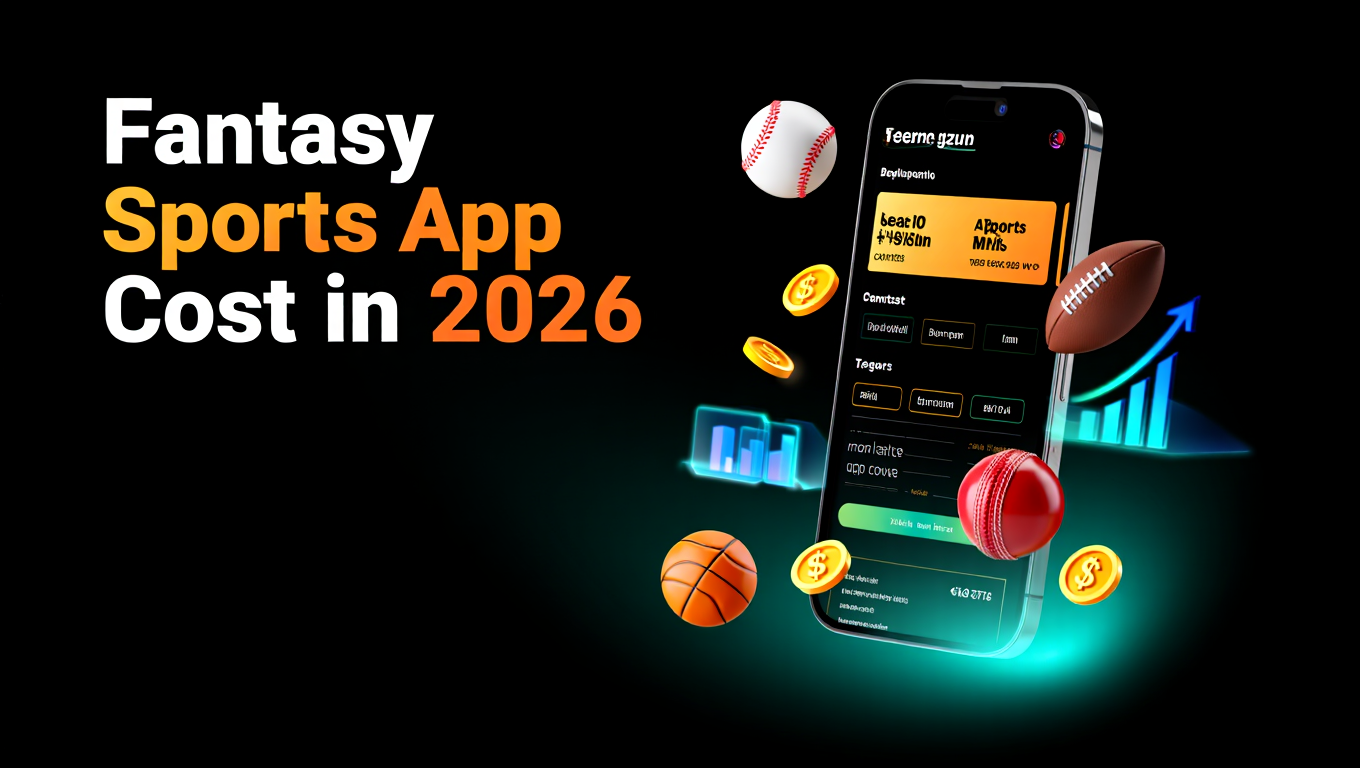
Fantasy sports apps have transformed the way fans connect with their favorite games. What was once a simple hobby has now evolved into a billion-dollar global industry, attracting millions of passionate users who enjoy competing, strategizing, and winning real rewards. As we step into 2026, the fantasy sports app market is stronger than ever, powered by innovations such as artificial intelligence, real-time analytics, blockchain-based scoring systems, and immersive fan experiences.
For startups, entrepreneurs, and sports tech investors, building a fantasy sports app is one of the most promising ventures in digital entertainment. However, before diving into development, it is crucial to understand how much such an app truly costs. The overall investment depends on multiple factors including app complexity, platform selection, backend infrastructure, and the level of fan engagement features you plan to include.
In this guide, we will explore everything you need to know about fantasy sports app development costs in 2026. You will learn about the essential cost factors, must-have features, monetization options, and practical tips to reduce expenses while building a high-performance app that stands out in a competitive market.
What Is a Fantasy Sports App
A fantasy sports app is a digital platform that allows users to create virtual teams made up of real-life athletes. These users compete against others based on the real-time performances of their selected players during live matches. The concept blends strategy, statistics, and sports knowledge, making it an engaging form of entertainment for fans who want more involvement than simply watching games.
Each player in the app earns points according to their actual game performance such as runs scored, goals made, assists, or wickets taken. The users with the highest total points rank higher on leaderboards and can win rewards, cash prizes, or in-app bonuses.
Fantasy sports apps are popular across a wide range of sports including:
- Cricket
- Football
- Basketball
- Baseball
- Hockey
- Kabaddi
This combination of technology and real-world sports data has made fantasy apps one of the fastest-growing sectors in the mobile gaming industry.
Why Build a Fantasy Sports App in 2026
The fantasy sports landscape continues to expand at a rapid pace. With new technologies reshaping user engagement, 2026 presents an ideal time for businesses to invest in fantasy sports app development. Here are the main reasons why this market is worth entering.
A] Explosive Market Growth
According to recent global projections, the fantasy sports market is expected to reach over 90 billion USD by 2026, fueled by increased smartphone usage, accessible internet connections, and the rising popularity of digital sports leagues. Millions of users participate daily in platforms such as Dream11, DraftKings, and FanDuel, creating continuous demand for innovative fantasy sports apps.
B] Lucrative Revenue Opportunities
Fantasy apps generate multiple income streams such as paid contests, subscriptions, sponsorships, and in-app advertisements. High user retention rates and the thrill of competition make this model profitable for startups and sports tech companies alike.
C] Emerging Tech Trends
The integration of advanced technologies such as AI-based player recommendations, blockchain for transparent rewards, and augmented reality for live engagement is changing how fans interact with fantasy sports. These upgrades not only enhance user experience but also make apps more scalable and future-ready.
Average Cost to Develop a Fantasy Sports App in 2026
The cost of developing a fantasy sports app depends on several key elements including app type, number of features, backend scalability, and design quality. Below is an estimated cost breakdown for 2026 based on app complexity.
Factors That Push the Cost Up or Down
- App Complexity and Features – The more features and real-time integrations you add, the higher the cost.
- Platform Choice – Developing for both Android and iOS costs more than focusing on one platform.
- Design Customization – Interactive and high-quality UI/UX design increases engagement but also raises development costs.
- Backend Scalability – Real-time data updates, user traffic management, and security systems require strong backend infrastructure.
- Development Team Expertise – Hiring skilled developers from North America or Western Europe typically costs more than working with teams in South Asia or Eastern Europe.
- Maintenance and Updates – Post-launch services like bug fixes, new features, and server optimization also add to long-term expenses.
Key Factors Influencing Fantasy Sports App Development Cost
Building a fantasy sports app in 2026 requires more than just coding and design. Several critical factors directly influence the total development cost, including functionality, platform selection, and technology integrations. Understanding these cost drivers helps businesses plan their budgets wisely and build a strong product strategy.
1. App Complexity and Features
The more complex your fantasy sports app, the higher the development investment. A basic version usually includes user registration, team creation, and leaderboards. However, advanced apps feature live match updates, AI-driven recommendations, chat systems, and in-depth analytics.
Each feature adds value but also increases development time, server needs, and maintenance expenses. To control costs, it is best to start with a minimal viable product (MVP) and gradually add premium functions once user engagement grows.
2. Platform Choice (Android, iOS, Web, or Cross-Platform)
Choosing the right platform significantly affects the total cost. Developing for a single platform like Android or iOS costs less than creating apps for both. Cross-platform frameworks such as Flutter or React Native are becoming popular in 2026 because they allow developers to write code once and deploy it across multiple platforms, saving both time and resources.
For large audiences, combining mobile and web versions can boost reach but requires additional optimization and testing.
3. UI and UX Design with Fan Engagement Elements
An attractive interface and seamless user experience are crucial for retaining fantasy sports fans. UI and UX design cost depends on how interactive and data-rich your app needs to be. Engaging visuals, smooth navigation, personalized dashboards, and gamification elements such as rewards or badges enhance the overall fan experience but also increase the design budget.
Remember that in 2026, sports enthusiasts expect real-time engagement and social sharing options, so investing in an intuitive design is essential for success.
4. Backend Infrastructure and Real-Time Scalability
Behind every high-performing fantasy sports app is a powerful backend system. This includes servers, APIs, databases, and cloud integration. Since these apps handle real-time data, live scores, and thousands of concurrent users, scalability and stability are key.
Costs can vary depending on the hosting provider, technology stack, and data management tools used. Cloud platforms like AWS, Google Cloud, or Azure are common choices for ensuring seamless performance during live matches or tournaments.
5. Type of Fantasy App (Daily, Season-Long, or Custom Leagues)
Different fantasy formats require different technical frameworks and data structures. Daily fantasy apps refresh contests daily and therefore need robust automation. Season-long apps require continuous updates, player statistics tracking, and detailed performance history. Custom leagues often demand additional personalization features such as private contests or team invitations.
The complexity of the app type directly affects the total investment required.
6. Technology Stack and System Integrations
The technology stack plays a major role in cost estimation. The combination of programming languages, frameworks, databases, and APIs determines how efficient and scalable your fantasy app will be.
In 2026, developers are integrating advanced tools such as artificial intelligence, blockchain-based security, Web3 authentication, and AR or VR enhancements to make apps more engaging and transparent. These innovations elevate user experience but also raise the initial development cost.
7. Development Team Location and Expertise
The cost of hiring developers varies greatly depending on the country and level of experience. Teams in North America or Western Europe generally charge higher hourly rates than skilled professionals in South Asia or Eastern Europe.
Average hourly rates in 2026:
Hiring an experienced team ensures quality and faster delivery, while outsourcing to cost-effective regions can significantly reduce expenses without compromising performance.
8. Maintenance, Updates, and Security Compliance
The real work continues after the app launch. Maintenance ensures smooth performance, bug resolution, and feature updates. Security is another vital aspect, especially for apps that involve financial transactions and user data. Regular updates, patch installations, and compliance with gaming and data protection laws all add to ongoing costs.
Typically, yearly maintenance costs are estimated at 15 to 25 percent of the original development budget.
Hidden Costs Often Overlooked
When planning your fantasy sports app budget, it is important to account for hidden or secondary costs that can influence the total investment. Many startups underestimate these factors, leading to unplanned expenses later on.
Third-Party APIs and Live Data Feeds
Fantasy apps rely on real-time sports data for match updates, player stats, and leaderboards. These APIs often come with subscription or licensing fees based on usage volume and sport type.
Marketing and User Acquisition
Launching an app is only the first step. To attract players, you need a well-planned marketing strategy that includes paid campaigns, influencer promotions, and social media engagement. These activities can be as costly as the development phase itself.
App Store and Play Store Listing Fees
Both Google Play and Apple App Store charge fees for publishing and maintaining apps. This includes a one-time developer account fee and, in some cases, revenue-sharing models for in-app purchases.
Legal and Compliance Charges
Fantasy sports apps that involve real-money contests must follow gaming laws and data protection regulations in each region. Legal consultations, licensing, and policy documentation contribute to additional costs.
Post-Launch Support and Issue Resolution
After the launch, issues such as server downtime, data errors, or security patches may arise. Having a technical support team available ensures that problems are resolved quickly, maintaining a positive user experience.
Must-Have Features in a Fantasy Sports App
A successful fantasy sports app needs the perfect balance of performance, usability, and engagement. Whether for players or administrators, each feature plays an essential role in ensuring smooth operation and an enjoyable experience.
Below are the most important features to include for both participants and admins.
Must-Have Features for Participants
1. Easy Registration and Authentication
The first interaction users have with your app is the sign-up process. Providing multiple registration options such as email, phone number, or social media accounts helps simplify onboarding. Two-factor authentication and secure login protocols also build user trust and safeguard data.
2. Engaging Landing or Home Page
The landing page should instantly capture user attention with live scores, upcoming matches, and trending contests. Personalization based on favorite teams or players enhances the fan experience and encourages longer session times.
3. Real-Time Match and Contest Details
Real-time data is the heart of a fantasy sports app. Users must be able to view live match updates, team rankings, and player performance stats. Integrating live feeds and push notifications keeps fans informed and connected throughout the game.
4. Join or Create Contests
Players should have the flexibility to either join existing contests or create their own leagues with custom rules. This feature allows friends and communities to engage more deeply and builds app loyalty.
5. Player Statistics and Leaderboards
Comprehensive player profiles and performance statistics add depth to the gameplay. Leaderboards that display rankings, points, and achievements create a sense of competition and excitement among users.
6. Profile Settings and Notifications
Users appreciate control over their personal settings such as profile information, team preferences, and alert preferences. Push notifications about upcoming contests, winnings, and player milestones help maintain engagement and bring users back to the app regularly.
Must-Have Features for Admins
1. Intuitive Dashboard
The admin dashboard serves as the control center of the fantasy sports platform. It should present real-time insights into user activity, active contests, and app performance metrics. A well-structured dashboard saves time and improves decision-making.
2. User Account Management
Admins should be able to manage user registrations, verify profiles, handle disputes, and monitor suspicious activities. Having strong user control ensures a fair and transparent gaming environment.
3. Contest Creation and Monitoring Tools
Admins need tools to create new contests, set entry criteria, define prize pools, and track participation. Automation features that schedule contests and generate reports simplify daily operations.
4. Earnings Overview
Revenue tracking is essential for understanding app profitability. The admin panel should include a clear overview of income generated from entry fees, subscriptions, advertisements, and partnerships.
5. Reporting and Analytics System
Advanced reporting tools help admins analyze user behavior, engagement trends, and financial performance. Insights from these analytics can guide marketing efforts and feature upgrades for better user satisfaction.
How to Make Money With a Fantasy Sports App
Monetization is a crucial aspect of building a sustainable fantasy sports business. A well-designed app offers multiple revenue channels while maintaining user engagement and satisfaction. Here are the most effective ways to generate income from your fantasy sports platform.
1. Entry or Participation Fees
The most common revenue stream involves charging users a small fee to enter contests or tournaments. Winners receive cash prizes, and a portion of the total pool remains as platform earnings. This model encourages regular participation while maintaining steady income.
2. In-App Advertisements
Displaying relevant advertisements such as sports brands, partners, or merchandise offers can generate significant revenue. Native ads and sponsored banners can be integrated into the interface without disrupting user experience.
3. Subscription or VIP Memberships
Offering premium memberships unlocks special benefits like exclusive contests, advanced analytics, or ad-free experiences. Subscription models ensure consistent monthly or yearly income and improve user retention.
4. Sponsored Contests
Collaborating with brands or sports organizations to host branded contests is an excellent marketing and monetization strategy. Sponsors can offer prizes or promote their services, while the app earns sponsorship revenue.
5. Affiliate and Brand Partnerships
Partnering with sports equipment stores, streaming services, or platforms allows your app to earn commissions from referrals and cross-promotions. This mutually beneficial strategy expands brand visibility and creates new earning channels.
6. Data Monetization and Licensing
Fantasy sports apps collect valuable performance and user engagement data. Selling anonymized data insights to sports analytics firms, broadcasters, or advertisers can become a secondary revenue source while maintaining user privacy.
7. NFT-Based Player Cards and Web3 Rewards
The 2026 fantasy sports ecosystem is embracing blockchain and Web3 technology. Apps can create digital player cards in the form of NFTs, allowing users to trade or collect them. Blockchain-based loyalty rewards also help improve engagement while offering unique monetization potential.
Tips to Reduce Fantasy Sports App Development Cost
Developing a fantasy sports app can become expensive if not carefully planned. The following strategies help control costs while ensuring high performance and user satisfaction.
Use cross-platform frameworks like Flutter or React Native
Building a single codebase that works for both Android and iOS significantly reduces development time and cost. These frameworks also make maintenance easier and updates faster.
Start with an MVP (Minimum Viable Product)
Launching with a core set of features such as user registration, contest creation, team management, and scoring allows you to validate your concept early. Feedback from initial users helps refine the product before investing further.
Outsource to experienced but affordable regions
Working with reliable developers in regions that offer competitive pricing can reduce total costs without compromising on quality. The key is to choose a team with a proven portfolio in fantasy or gaming app development.
Automate testing and deployment
Implementing automated testing tools and CI/CD pipelines helps detect issues early, shortens release cycles, and reduces manual work, resulting in long-term savings.
Reuse existing APIs and libraries
Leveraging pre-built APIs for authentication, payment gateways, and live score integration saves significant development time and minimizes coding from scratch.
Popular Fantasy Sports Apps and Their Estimated Development Costs
Understanding the investment made by leading apps gives perspective on what it takes to build a high-performing fantasy sports platform.
Why Choose Halo Digital for Fantasy Sports App Development
Halo Digital is a leading mobile app development company specializing in building high-quality, scalable, and secure applications for the sports and gaming industry. Our expertise extends across custom web platforms, SaaS solutions, and enterprise-level apps, all designed with a focus on performance, innovation, and user engagement. We help businesses transform ideas into fully functional mobile apps that deliver seamless user experiences and measurable growth.
We have delivered impactful results across multiple industries. Our featured projects include:
DonorSync – Custom Web Development
A SaaS solution designed for charities, built with automation and compliance at its core. DonorSync enables seamless donation management and Gift Aid claims through a single platform.
Unscripted – Digital Marketing
For a luxury fragrance brand, our data-driven campaigns improved online visibility and conversions through performance marketing and storytelling.
My Dua List – Custom Software Development
A full-stack platform for pilgrims, offering an interactive and scalable user experience across devices.
ThePilgrim.co – CMS Development
A content platform providing verified Hajj and Umrah guides, optimized for accessibility and user navigation.
Boost – E-commerce Solutions
A Shopify-based store optimized for product performance, global scalability, and enhanced customer experience.
TurkeyClinic – Web Design
A patient-focused medical website designed to build trust and communicate complex medical information with clarity.
Zenix – Brand Identity & Design
A complete branding solution that helped a ride-sharing startup establish a strong market presence.
Pilgrim – Mobile App Development
A cross-platform app for pilgrims built using Laravel, AWS, Flutter, and Redis, featuring AI integration and real-time guidance.
Hyundai Liberty – CMS Development
A digital platform showcasing Hyundai’s latest models, built for performance, responsiveness, and ease of use.
Risolv – CMS Development
A consulting firm website focused on AI and digital transformation, designed to simplify complex information through a clean interface.
Halo Digital combines deep technical expertise with design thinking to deliver end-to-end fantasy app solutions. Our development process covers concept validation, UI/UX design, real-time analytics, secure payment integration, and scalable infrastructure. Each project is backed by rigorous testing, reliable support, and measurable outcomes.
Final Words
The cost of developing a fantasy sports app varies based on complexity, platform, and feature set. Smaller MVP versions can start from $15,000, while enterprise-level solutions may exceed $150,000. The increasing popularity of digital sports engagement makes this market highly promising for new entrepreneurs. With careful planning, the right technology, and an experienced development partner, your fantasy app can reach global audiences and deliver strong returns.