Motorcycle apparel serves a dual function: it is both protective equipment and a performance-enhancing system that directly influences a rider’s comfort, endurance, and operational control. In modern riding environments—ranging from urban commuting to long-distance touring and high-speed performance—gear such as leather motorcycle chaps and a canvas motorcycle vest plays a measurable role in reducing fatigue, regulating body temperature, and improving safety outcomes.
The effectiveness of motorcycle apparel is not merely anecdotal. Research in biomechanics, thermoregulation, and impact protection demonstrates that properly designed riding gear can significantly affect rider reaction time, physical strain, and cognitive focus. This article examines how motorcycle apparel impacts rider performance and comfort through a detailed, evidence-based lens, incorporating real-world applications, expert insights, and industry best practices.
The Relationship Between Motorcycle Apparel and Rider Performance
Ergonomics and Mobility
Motorcycle riding requires continuous micro-adjustments in posture, throttle control, and balance. Apparel that restricts movement or creates pressure points can impair these adjustments. High-quality riding gear is engineered with ergonomic paneling, articulated joints, and stretch zones to align with the rider’s natural biomechanics.
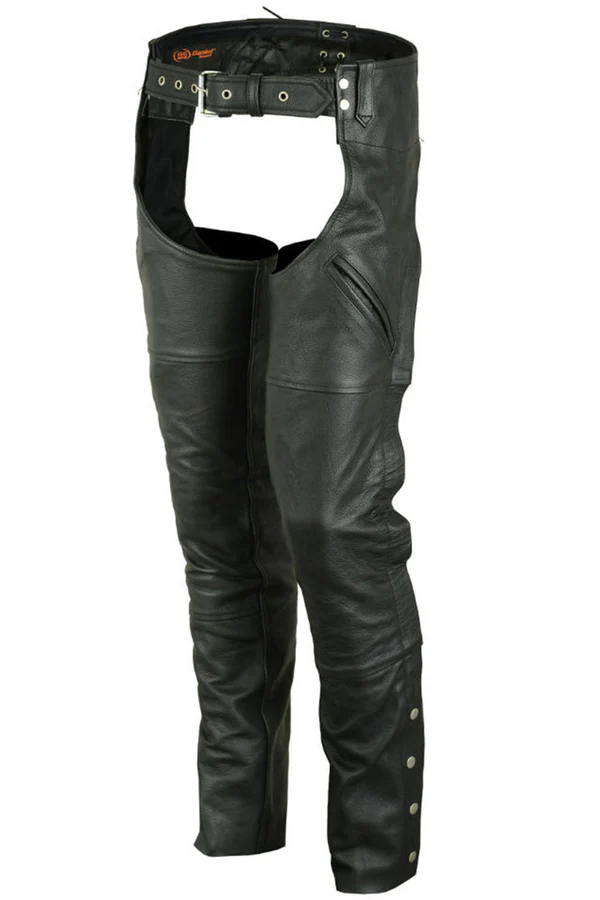
Leather-based gear, including chaps, is often pre-curved to match riding posture, reducing resistance during leg movement. This design minimizes muscular strain, especially during long rides, where cumulative fatigue can degrade reaction time.
Aerodynamics and Stability
At higher speeds, airflow resistance becomes a critical factor. Loose or poorly fitted clothing creates drag, which not only reduces efficiency but can destabilize the rider. Streamlined apparel, including fitted jackets and vests, helps maintain aerodynamic stability.
A well-fitted canvas motorcycle vest provides a balance between airflow and structure, reducing wind flap while maintaining breathability—an essential factor for maintaining focus during extended rides.
Impact on Reaction Time
Rider performance is closely tied to cognitive clarity and physical readiness. Discomfort, overheating, or restricted circulation can delay reaction times. Studies in human factors engineering indicate that even minor discomfort can increase cognitive load, reducing situational awareness.
Protective gear that maintains thermal balance and minimizes physical strain contributes to faster decision-making and improved hazard response.
Comfort as a Performance Multiplier
Thermoregulation and Climate Adaptability
Motorcycle apparel must function across varying environmental conditions. Materials such as leather, textile blends, and canvas are selected for their ability to manage heat, moisture, and airflow.
- Leather provides insulation and wind resistance, making it suitable for cooler climates.
- Textile and canvas materials offer breathability, ideal for warmer conditions.
A canvas motorcycle vest, for example, allows for airflow while still offering abrasion resistance, making it a practical choice for moderate climates and layered riding systems.
Pressure Distribution and Fatigue Reduction
Extended riding places stress on the lower back, shoulders, and legs. Apparel that distributes pressure evenly reduces localized fatigue. Features such as padded panels, adjustable closures, and reinforced seams contribute to long-term comfort.
Lower-body gear, including leather motorcycle chaps, provides protection against wind chill and road debris while reducing muscle fatigue by stabilizing leg movement during prolonged rides.
Moisture Management
Sweat accumulation can lead to discomfort, skin irritation, and distraction. Advanced riding gear incorporates moisture-wicking linings and ventilation systems to maintain dryness. This is particularly important in high-temperature environments where dehydration and overheating are risks.
Safety Integration and Its Effect on Performance
Abrasion Resistance and Impact Protection
Motorcycle apparel is designed to mitigate injuries in the event of a fall. Materials like full-grain leather and reinforced textiles offer high abrasion resistance, reducing the severity of road rash.
According to data referenced in motorcycle safety studies and summarized in sources like Wikipedia’s overview of motorcycle protective clothing, abrasion-resistant gear significantly lowers injury rates in accidents.
Armor and Structural Reinforcement
Modern apparel often includes CE-rated armor in critical areas such as shoulders, elbows, knees, and spine. This armor absorbs and disperses impact forces, reducing injury severity.
The presence of protective elements does not only enhance safety but also increases rider confidence, which can positively influence performance by reducing hesitation and improving decisiveness.
Real-World Applications Across Riding Scenarios
Urban Commuting
In city environments, riders face frequent stops, variable traffic conditions, and exposure to pollutants. Lightweight, breathable gear such as a canvas motorcycle vest combined with protective layers ensures comfort without compromising safety.
Long-Distance Touring
Touring demands endurance. Apparel must support prolonged wear without causing discomfort. Layered systems, including chaps for lower-body protection and ventilation-equipped jackets, help maintain consistent performance over long distances.
Performance and Sport Riding
High-speed riding requires maximum mobility and aerodynamic efficiency. Tight-fitting leather suits and reinforced gear reduce drag and enhance control, directly impacting lap times and handling precision.
Expert Insights and Best Practices
Layering Systems for Optimal Performance
Industry experts recommend a modular approach to motorcycle apparel:
- Base layer: Moisture-wicking fabric to manage sweat
- Mid-layer: Insulation for temperature control
- Outer layer: պաշտպանive shell for abrasion and impact resistance
This system allows riders to adapt to changing conditions without compromising comfort or safety.
Fit and Customization
Proper fit is critical. Ill-fitting gear can cause chafing, restrict movement, or fail to provide adequate protection. Custom or adjustable apparel ensures alignment with the rider’s body geometry.
Material Selection Based on Riding Style
- Leather: Superior abrasion resistance, ideal for high-speed and long-distance riding
- Textile: Versatility and weather adaptability
- Canvas: Breathability and durability for casual or moderate riding conditions
Common Mistakes and Misconceptions
Prioritizing Style Over Function
While aesthetic appeal is important, performance and safety should take precedence. Fashion-oriented gear often lacks the structural integrity required for effective protection.
Ignoring Climate Compatibility
Wearing heavy leather in extreme heat or insufficient insulation in cold conditions can lead to discomfort and impaired performance. Apparel must match environmental demands.
Overlooking Maintenance
Motorcycle apparel requires regular maintenance to retain its protective properties. Leather must be conditioned, textiles cleaned, and armor inspected for wear.
Conclusion
Motorcycle apparel is a critical determinant of rider performance and comfort. From ergonomic design and thermoregulation to impact protection and fatigue reduction, every component of riding gear contributes to the overall riding experience. Equipment such as leather motorcycle chaps and a canvas motorcycle vest exemplifies how specialized apparel can enhance both safety and operational efficiency.
A strategic approach to gear selection—grounded in fit, material science, and environmental compatibility—enables riders to achieve optimal performance while minimizing risk. In a discipline where precision, endurance, and awareness are paramount, motorcycle apparel is not merely an accessory; it is an essential system that supports every aspect of the ride.
FAQs
What is the primary function of motorcycle apparel?
Motorcycle apparel is designed to protect the rider from injuries while enhancing comfort and performance through ergonomic design and environmental adaptability.
How does apparel affect rider fatigue?
Properly designed gear reduces muscle strain, distributes pressure evenly, and maintains thermal balance, all of which contribute to reduced fatigue.
Is leather always the best material for motorcycle gear?
Leather offers superior abrasion resistance but may not be ideal for all climates. Textile and canvas alternatives provide better ventilation in warmer conditions.
What role does fit play in performance?
Fit directly impacts mobility, comfort, and safety. Poorly fitted gear can restrict movement and reduce protective effectiveness.
Are motorcycle vests protective?
Yes, especially when constructed from durable materials like canvas or reinforced textiles. They provide abrasion resistance and can include armor or padding.
How often should motorcycle apparel be replaced?
Replacement depends on wear and tear. Protective gear should be inspected regularly and replaced if structural integrity is compromised.
Can motorcycle apparel improve reaction time?
Indirectly, yes. By reducing discomfort and fatigue, apparel helps maintain cognitive clarity and faster response times.