How Mobility and Sustainability Are Reshaping Southeast Asia Passenger Car Tires
By kyle 24-07-2026 58
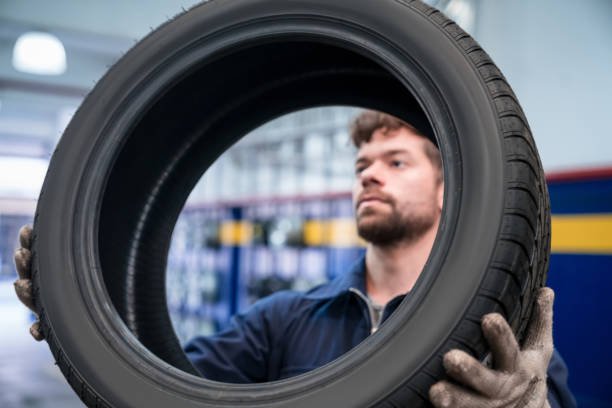
Southeast Asia's automotive landscape is evolving rapidly as urbanization, rising vehicle ownership, and changing consumer expectations continue to influence passenger car tire demand. Countries such as Thailand, Indonesia, Vietnam, Malaysia, and the Philippines are witnessing increasing reliance on personal vehicles, supported by expanding road infrastructure and economic development. Rather than being viewed as simple replacement products, passenger car tires have become an essential component of vehicle safety, efficiency, and driving comfort.
According to a study by MarkNtel Advisors, the Southeast Asia passenger car tire sector continues to benefit from growing passenger vehicle adoption, increasing preference for personal transportation, and ongoing investments in automotive manufacturing across the region. These factors are encouraging both original equipment manufacturers (OEMs) and the aftermarket to introduce more advanced tire solutions that meet changing consumer needs. Readers can explore the complete analysis in the Southeast Asia Passenger Car Tire Report.
Growing Passenger Vehicle Ownership Drives Tire Demand
Passenger vehicle ownership continues to rise across Southeast Asia as expanding middle-income populations gain greater purchasing power. Governments are also investing heavily in highways, urban road networks, and transportation infrastructure, making private vehicles a practical choice for daily commuting and intercity travel.
According to the International Organization of Motor Vehicle Manufacturers (OICA) production statistics, Asia remains one of the world's largest automotive production hubs, reflecting the region's strong manufacturing ecosystem and sustained vehicle demand. As more passenger vehicles enter the roads, the requirement for both OEM and replacement tires naturally increases.
SUVs Continue to Influence Tire Preferences
One of the most significant developments across Southeast Asia is the growing popularity of sport utility vehicles (SUVs). Consumers increasingly favor SUVs because they offer better ground clearance, spacious interiors, and improved driving comfort on varying road conditions.
According to the MarkNtel Advisors study, SUVs represent the leading passenger vehicle category within the Southeast Asia passenger car tire landscape. This preference is encouraging tire manufacturers to develop products specifically designed to deliver enhanced durability, grip, and ride comfort for larger passenger vehicles.
The growing SUV fleet also contributes to replacement tire demand, as these vehicles often require specialized tire sizes and performance characteristics suited for diverse driving environments.
Sustainability Is Becoming a Purchasing Factor
Environmental awareness is gradually influencing purchasing decisions throughout Southeast Asia. Consumers are becoming more interested in products that contribute to improved fuel efficiency and reduced environmental impact without compromising driving performance.
Manufacturers are responding by introducing tires that feature:
- Lower rolling resistance
- Improved fuel efficiency
- Longer tread life
- Environmentally responsible materials
- Reduced road noise
These innovations align with broader sustainability objectives while also helping vehicle owners reduce long-term operating costs. The International Energy Agency's Global EV Outlook highlights how improvements in vehicle efficiency, including tire technologies, contribute to cleaner and more sustainable transportation.
Replacement Tire Segment Remains Strong
Unlike many automotive components, tires require periodic replacement throughout a vehicle's lifespan. This creates consistent demand within the aftermarket regardless of fluctuations in new vehicle sales.
Vehicle owners increasingly prioritize factors such as safety, braking performance, wet-road handling, durability, and fuel economy when selecting replacement tires. Retail channels have also expanded significantly, allowing customers to compare brands, specifications, and prices more conveniently.
MarkNtel Advisors notes that multi-brand retail stores and exclusive tire outlets continue gaining popularity because they provide consumers with wider product selection and easier brand comparisons in one location.
Digital Retail Is Transforming Tire Purchases
Online commerce is gradually changing how consumers purchase automotive products across Southeast Asia. Digital platforms allow buyers to compare tire specifications, customer reviews, and pricing before making informed decisions.
Many retailers now combine online ordering with professional installation services through local workshops, creating a convenient purchasing experience while maintaining expert support during installation.
This digital transformation also allows manufacturers to better engage with customers, introduce new products faster, and improve inventory management across multiple countries.
Electric Vehicles Present New Opportunities
Although internal combustion engine vehicles continue to dominate the region, electric vehicle adoption is steadily increasing across several Southeast Asian countries through supportive government policies and investments in charging infrastructure.
Electric passenger cars create different tire performance requirements because of:
- Higher vehicle weight
- Instant torque delivery
- Lower cabin noise
- Greater emphasis on energy efficiency
Manufacturers are therefore investing in quieter tires with lower rolling resistance and enhanced durability specifically designed for electric vehicles.
The continued expansion of electric mobility is expected to create additional opportunities for tire innovation throughout Southeast Asia in the coming years.
Regional Manufacturing Strengthens Supply Chains
Southeast Asia has become an important production base for global automotive manufacturers. Countries such as Thailand, Indonesia, and Vietnam continue attracting investments in vehicle assembly and automotive component manufacturing.
The establishment of new manufacturing facilities not only supports domestic vehicle production but also strengthens regional supply chains for passenger car tires. Local manufacturing helps improve product availability while reducing transportation costs and delivery times.
The MarkNtel Advisors study also highlights Thailand's expanding automotive manufacturing ecosystem as an important contributor to passenger car tire demand across the region.
Innovation Will Define Future Competition
Competition among tire manufacturers is increasingly driven by technological innovation rather than pricing alone. Companies continue investing in research focused on:
- Smart tire technologies
- Improved tread compounds
- Enhanced wet-weather performance
- Better fuel efficiency
- Longer service life
- Sustainable raw materials
Consumers are becoming more knowledgeable about tire performance, encouraging manufacturers to differentiate themselves through quality, reliability, and advanced engineering.
Conclusion
The Southeast Asia passenger car tire landscape continues to evolve alongside rising vehicle ownership, growing SUV adoption, expanding automotive manufacturing, and increasing sustainability awareness. Consumer expectations are shifting beyond affordability toward safety, durability, fuel efficiency, and environmental responsibility.
As highlighted by MarkNtel Advisors, these structural changes are creating opportunities for continued innovation across both OEM and replacement tire segments. Rather than relying solely on higher vehicle sales, future development will increasingly depend on advanced tire technologies, evolving mobility patterns, and changing consumer preferences that support safer and more efficient transportation across Southeast Asia.
Tags : Passenger Car Tires