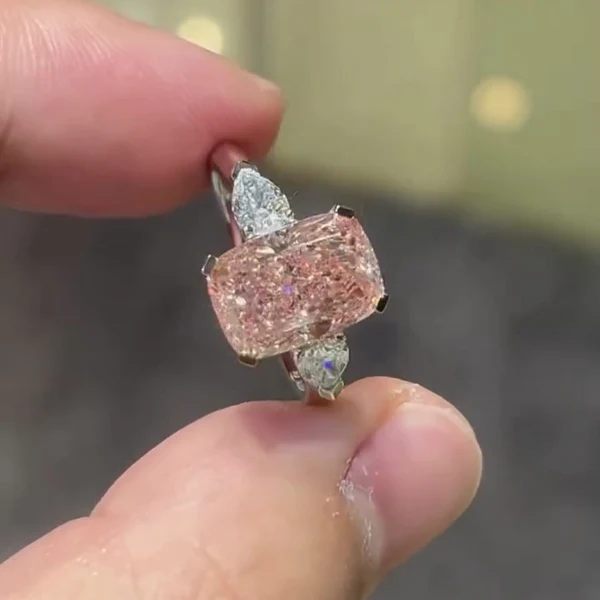
Pink diamonds have captured the attention of jewelry lovers around the world for their unique color and rare appearance. Today, advanced technology has made it possible to create these beautiful gems in laboratories, allowing more people to own a lab grown pink diamond ring without compromising on quality or beauty.
The process of creating a laboratory-grown pink diamond involves science, precision, and skilled craftsmanship. From growing the diamond crystal to designing the final ring, every stage is carefully managed to produce a stunning piece of jewelry. Understanding how these diamonds are made can help buyers appreciate the work behind each ring and make informed decisions when choosing their next piece.
Understanding Lab Grown Pink Diamonds
A lab grown pink diamond is a real diamond created inside a controlled laboratory environment. It possesses the same physical, chemical, and optical properties as a mined diamond. The primary difference lies in where the diamond is formed.
Scientists replicate the natural conditions that create diamonds beneath the earth. Through specialized methods, carbon atoms grow layer by layer until they form a diamond crystal. Once the crystal reaches the desired size, it is cut and polished into a gemstone ready for jewelry.
Explore Lab Grown Pink Diamond Ring Manufacturing Process
When you explore lab grown pink diamond ring manufacturing, you will discover that the process combines advanced technology with traditional jewelry-making techniques. Each stage contributes to the final appearance of the ring.
The process generally includes:
- Diamond seed selection
- Crystal growth
- Color enhancement for pink tones
- Cutting and polishing
- Quality grading
- Ring design and setting
Each step requires precision and expertise to achieve the desired result.
Step 1: Creating the Diamond Seed
Every diamond starts with a tiny diamond seed. This seed acts as the foundation for crystal growth.
Scientists place the seed inside specialized equipment designed to recreate the conditions under which diamonds naturally form. Carbon-rich materials are introduced, allowing carbon atoms to attach to the seed and gradually expand into a larger crystal.
This process can take several weeks depending on the size of the diamond being created.
Step 2: Growing the Diamond Crystal
There are two main methods used to grow laboratory diamonds:
High Pressure High Temperature (HPHT)
The HPHT process mimics the intense heat and pressure found deep inside the earth. The diamond seed is exposed to extreme conditions, causing carbon atoms to crystallize and form a larger diamond.
Chemical or Deposition (CVD)
In the CVD method, carbon-rich gas is introduced into a vacuum chamber. The gas breaks down into carbon atoms, which slowly deposit onto the diamond seed and build the crystal layer by layer.
Both methods are widely used to create high-quality diamonds for jewelry.
How Pink Color Is Created
The beautiful pink color found in these diamonds is achieved through carefully controlled conditions during or after the growth process.
Scientists may:
- Adjust crystal growth conditions
- Use pressure and temperature treatments
- Modify the atomic structure within the diamond
These processes create attractive pink shades ranging from light blush tones to deeper and richer pink colors.
This is one of the reasons many buyers prefer a lab created pink diamond ring, as they can select their preferred shade more easily.
Step 3: Cutting the Diamond
After the rough diamond crystal is formed, skilled cutters examine the stone carefully before shaping it.
The cutter studies:
- Crystal structure
- Diamond clarity
- Color distribution
- Potential carat weight
The goal is to maximize the beauty and size of the finished diamond.
Popular cuts include:
- Round
- Oval
- Cushion
- Emerald
- Pear
- Radiant
- Princess
Each shape gives the diamond a different appearance and personality.
Step 4: Polishing the Diamond
Polishing is one of the most important stages in diamond creation.
During this process, expert polishers refine every surface of the stone to achieve:
- Smooth facets
- Sharp symmetry
- Balanced proportions
- Maximum light reflection
This careful finishing enhances the overall appearance of the pink diamond before it is set into jewelry.
Step 5: Quality Inspection
Every pink diamond undergoes detailed quality checks before reaching customers.
Experts evaluate:
- Color intensity
- Clarity
- Cut quality
- Carat weight
- Symmetry
- Surface finish
Only diamonds that meet strict standards move forward for jewelry manufacturing.
This attention to detail ensures that each pink diamond ring offers excellent craftsmanship and lasting beauty.
Creating the Perfect Ring Setting
Once the diamond is completed, jewelers begin designing the ring itself.
The setting is created according to the chosen style and metal.
Popular options include:
Solitaire Rings
A single pink diamond is showcased at the center, creating a clean and classic appearance.
Halo Rings
Smaller diamonds surround the center stone, making the pink diamond appear larger and more prominent.
Three Stone Rings
Three diamonds symbolize the past, present, and future, making this style meaningful for many couples.
Vintage Inspired Rings
Detailed metalwork and decorative accents create a distinctive appearance inspired by traditional jewelry styles.
Why Lab Grown Pink Diamond Engagement Rings Are Popular
Many couples today are choosing lab grown pink diamond engagement rings because they offer beauty, variety, and customization.
Some reasons for their popularity include:
- Wide range of pink shades
- Availability of larger diamonds
- Numerous design options
- Personalized ring styles
- High-quality craftsmanship
Buyers can select every detail of their ring, from the shape of the diamond to the style of the setting.
Diamond Ring With Pink Diamond: Endless Design Possibilities
A diamond ring with pink diamond can be designed in many different ways to match individual preferences.
Popular combinations include:
- Oval pink diamond with rose gold
- Cushion pink diamond with white gold
- Pear pink diamond with platinum
- Round pink diamond with yellow gold
- Halo pink diamond with side stones
The variety of options allows buyers to create rings that reflect their personality and style.
Choosing a Pink Lab Diamond Engagement Ring
When selecting a pink lab diamond engagement ring, several factors should be considered:
Color
Choose a pink shade that suits your preference, from soft blush to intense pink.
Cut
The cut affects how the diamond looks and how it fits into the ring design.
Metal
Popular choices include:
- Rose Gold
- White Gold
- Yellow Gold
- Platinum
Setting Style
Select a design that matches your everyday lifestyle and personal taste.
The Role of Craftsmanship
Although advanced technology is used to grow the diamond, skilled craftsmanship remains essential.
Experienced jewelers carefully:
- Design the ring
- Shape the metal
- Secure the center stone
- Polish the final piece
- Inspect every detail
This combination of science and artistry results in beautiful jewelry designed to last for many years.
Finding Beautiful Pink Diamond Ring Designs
Many jewelry lovers spend time exploring different designs before making a decision.
Popular design inspirations include:
- Floral patterns
- Vintage settings
- Minimalist rings
- Hidden halo designs
- Split shank bands
- Double halo rings
Jewelry brands such as Antiquecut offer collections that showcase a variety of pink diamond ring styles, helping buyers discover designs that suit their preferences.
The Future of Lab Grown Pink Diamonds
As technology continues to advance, the popularity of laboratory-grown pink diamonds continues to grow. Improved manufacturing methods now allow jewelers to create diamonds with beautiful colors, excellent quality, and a wide variety of cuts.
More buyers are exploring custom rings and choosing pink diamonds for engagements, anniversaries, and special occasions. The ability to personalize every detail has made these rings increasingly desirable among modern jewelry enthusiasts.
Conclusion
The journey of creating a lab grown pink diamond ring begins with advanced scientific techniques and ends with skilled craftsmanship. From growing the diamond crystal to cutting, polishing, and designing the final ring, each step contributes to a beautiful piece of jewelry.
Whether you prefer a solitaire design, a halo setting, or a custom creation, laboratory-grown pink diamonds offer countless possibilities. Their attractive color, design flexibility, and growing popularity make them an excellent choice for anyone looking to own a unique and meaningful ring.
Tags : diamond rings lab grown rings