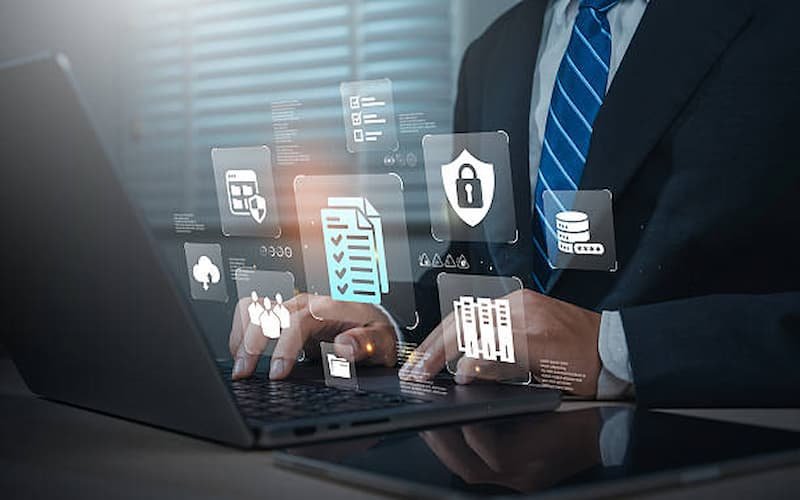
Technology is the backbone of modern businesses, powering everything from communication and customer service to data management and business operations. However, even a minor technology failure can result in significant financial losses, operational disruptions, and damage to a company's reputation. As businesses continue to rely on digital systems, preventing costly IT failures has become a top priority. This is why many organizations are turning to IT outsourcing in Saudi Arabia to access specialized expertise, strengthen their IT environments, and ensure their technology infrastructure remains reliable, secure, and future-ready.

Understanding the Cost of Technology Failures
Technology failures are more than temporary inconveniences. A server outage, cybersecurity breach, software malfunction, or network failure can bring business operations to a standstill. Downtime often leads to lost productivity, missed business opportunities, dissatisfied customers, and expensive recovery efforts.
Beyond the immediate financial impact, prolonged IT issues can weaken customer trust and create long-term challenges for business growth. For organizations operating in highly competitive industries, even a few hours of downtime can have lasting consequences.
Why Technology Failures Occur
Many technology failures are preventable. They often result from outdated systems, poor maintenance, inadequate security measures, or a lack of experienced IT professionals.
Businesses that rely on small internal teams may struggle to keep pace with rapidly changing technologies. Limited resources can delay software updates, reduce system monitoring, and increase the risk of unnoticed vulnerabilities.
As organizations expand, their technology environments become more complex. Without proper planning and continuous management, infrastructure can become difficult to maintain, increasing the likelihood of unexpected failures.
The Role of IT Outsourcing in Business Continuity
IT outsourcing provides organizations with access to dedicated professionals who proactively manage, monitor, and optimize technology systems. Instead of reacting to problems after they occur, outsourced IT teams focus on preventing issues before they disrupt operations.
This proactive approach significantly reduces the likelihood of system failures while improving overall business resilience. Businesses benefit from continuous support, faster response times, and access to specialized expertise without the expense of maintaining a large in-house IT department.
Proactive Monitoring Detects Problems Early
One of the greatest advantages of IT outsourcing is continuous infrastructure monitoring. Modern monitoring tools track the health and performance of servers, networks, applications, and devices around the clock.
Rather than waiting for employees to report problems, IT specialists identify unusual activity, declining performance, or potential hardware failures in real time. Early detection allows issues to be resolved before they affect business operations.
This preventive strategy minimizes downtime and reduces repair costs while maintaining consistent system performance.
Regular Maintenance Keeps Systems Stable
Technology requires ongoing maintenance to remain reliable. Software updates, security patches, firmware upgrades, and hardware inspections all contribute to long-term system stability.
Outsourced IT providers follow structured maintenance schedules that ensure business systems remain current and secure. Routine maintenance also helps eliminate compatibility issues that could otherwise lead to unexpected failures.
By keeping infrastructure optimized, businesses reduce operational risks and extend the lifespan of their technology investments.
Strong Cybersecurity Reduces Business Risks
Cybersecurity incidents are among the most expensive technology failures organizations can experience. Data breaches, ransomware attacks, and phishing campaigns can disrupt operations while exposing sensitive customer and business information.
Professional IT outsourcing partners implement comprehensive security strategies that include firewalls, endpoint protection, identity management, threat detection, and continuous monitoring.
Instead of responding after an attack occurs, outsourced security teams work proactively to identify vulnerabilities, strengthen defenses, and reduce exposure to cyber threats.
A well-protected IT environment not only prevents financial losses but also helps organizations maintain regulatory compliance and customer confidence.
Access to Specialized Technical Expertise
Technology evolves rapidly, making it difficult for internal IT teams to master every platform, application, and security framework.
IT outsourcing gives businesses access to professionals with expertise across cloud computing, networking, cybersecurity, virtualization, disaster recovery, and infrastructure management. These specialists understand industry best practices and can quickly diagnose complex technical problems.
Their experience enables faster problem resolution while helping organizations avoid costly implementation mistakes that often occur when new technologies are introduced without sufficient expertise.
Disaster Recovery Minimizes Operational Disruption
Even with the best preventive measures, unexpected incidents can still occur. Hardware failures, natural disasters, or cyberattacks may affect business operations.
An effective disaster recovery strategy ensures that critical systems and data can be restored quickly.
Outsourced IT providers typically develop recovery plans that include automated backups, cloud replication, and clearly defined recovery procedures. These plans reduce downtime and help organizations resume normal operations with minimal disruption.
Businesses that prepare for unexpected events recover faster and experience fewer financial losses.
Scalable Infrastructure Supports Business Growth
As organizations grow, their technology requirements change. Increased workloads, expanding customer bases, and additional employees place greater demands on IT infrastructure.
Outsourced IT teams help businesses scale their systems efficiently without sacrificing reliability. They evaluate infrastructure capacity, recommend upgrades, and implement solutions that accommodate future growth.
Scalable technology environments reduce the risk of performance bottlenecks that can slow operations or cause system failures during periods of increased demand.
Reduced Downtime Improves Productivity
Every minute of system downtime affects employee productivity. Staff members may lose access to business applications, communication tools, or customer information, delaying important tasks.
By continuously monitoring infrastructure and resolving issues quickly, outsourced IT providers help organizations maintain uninterrupted business operations.
Reliable technology allows employees to focus on their responsibilities instead of dealing with recurring technical problems. This improved efficiency contributes directly to higher productivity and better customer service.
Better Technology Planning Prevents Costly Mistakes
Many technology failures occur because businesses make short-term decisions without considering long-term requirements.
IT outsourcing providers assist with strategic technology planning by evaluating existing infrastructure, identifying weaknesses, and recommending future improvements.
Rather than replacing systems only after failures occur, organizations can implement planned upgrades that reduce operational risks and improve overall performance.
Strategic planning also helps businesses control technology costs by prioritizing investments based on business objectives.
Compliance and Risk Management
Organizations operating in regulated industries must comply with strict standards related to data security, privacy, and operational controls.
Failure to meet compliance requirements can result in financial penalties and reputational damage.
Experienced IT outsourcing providers understand industry regulations and implement technologies that support compliance. They maintain security documentation, monitor system configurations, and ensure that critical controls remain in place.
This reduces legal risks while strengthening overall governance.
Cost Efficiency Without Compromising Quality
Hiring and maintaining a large internal IT department can be expensive. Businesses must invest in recruitment, training, certifications, software tools, and infrastructure management.
IT outsourcing provides access to experienced professionals at a predictable operational cost. Instead of managing multiple technology specialists internally, organizations receive comprehensive IT support tailored to their specific needs.
This approach allows businesses to improve technology performance while controlling operational expenses.
Signs Your Business May Benefit from IT Outsourcing
Many organizations wait until a major technology failure occurs before seeking outside support. However, recognizing warning signs early can prevent future disruptions.
Common indicators include frequent system downtime, slow network performance, recurring cybersecurity concerns, delayed software updates, increasing maintenance costs, and limited internal IT resources.
If technology issues regularly interrupt daily operations, outsourcing IT management can provide the expertise needed to improve reliability and reduce long-term costs.
Best Practices for Preventing Technology Failures
Preventing expensive IT failures requires a proactive mindset rather than a reactive one. Organizations should regularly assess their infrastructure, maintain updated software, monitor system performance, protect critical data with reliable backup solutions, and invest in employee cybersecurity awareness.
Partnering with experienced IT professionals also ensures that emerging risks are identified early and addressed before they develop into larger operational problems.
Businesses that combine preventive maintenance with strategic planning create a more resilient technology environment capable of supporting long-term growth.
Conclusion
Technology failures can have serious financial and operational consequences, but most are preventable with the right strategy and expertise. IT outsourcing enables businesses to strengthen cybersecurity, improve system reliability, reduce downtime, and maintain business continuity through proactive monitoring, regular maintenance, disaster recovery planning, and access to specialized professionals. Instead of reacting to unexpected disruptions, organizations can build resilient IT environments that support efficiency, innovation, and sustainable growth. As digital transformation continues to accelerate, businesses that invest in proactive IT management will be better positioned to minimize risks, optimize technology performance, and stay competitive in an increasingly technology-driven marketplace.