How is Voice AI for Customer Support Reshaping Customer Expectations in the AI Era?
By Paridhi Purohit 09-06-2026 157
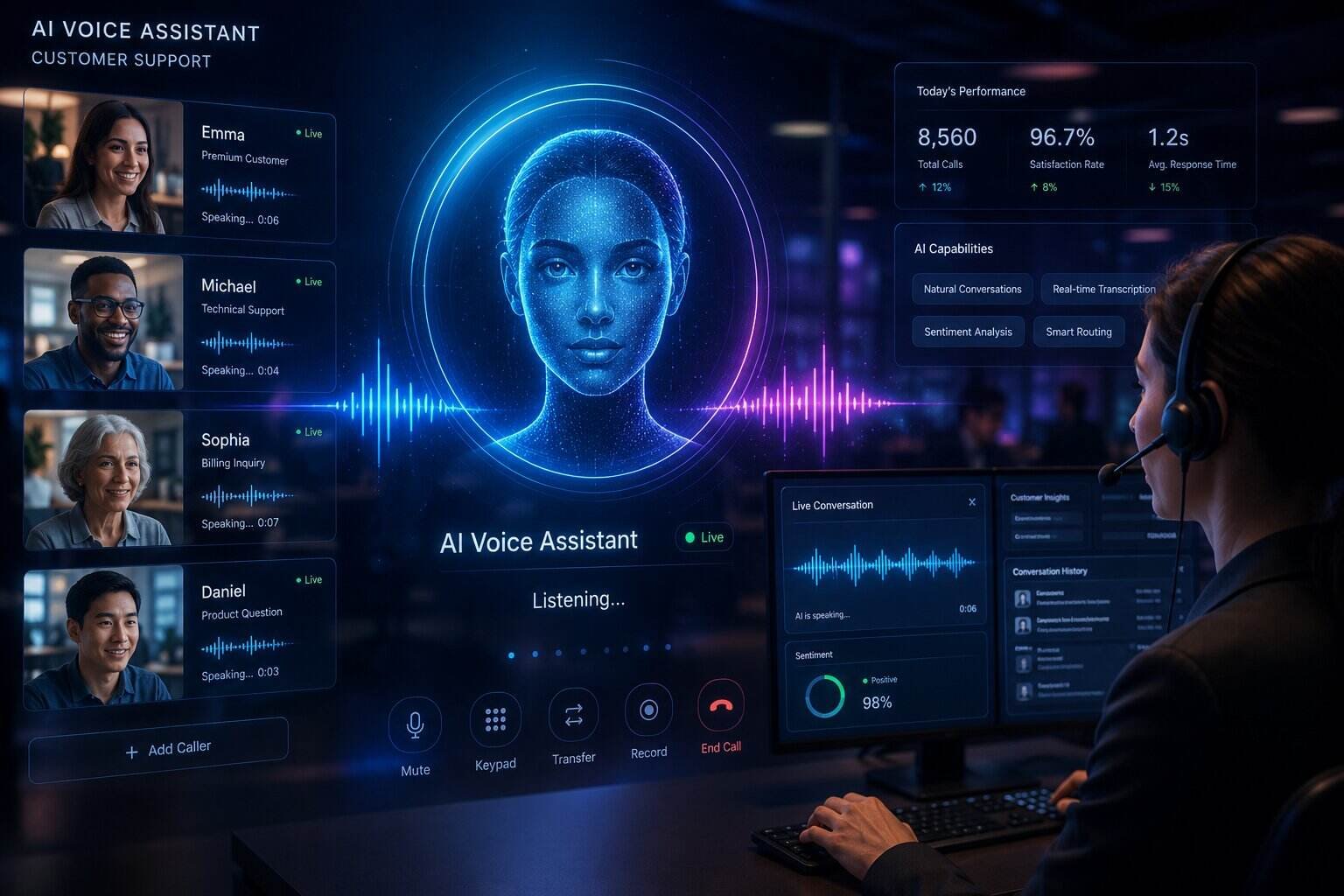
Customer expectations are evolving faster than ever. In the past, customers tolerated long wait times, repetitive support menus, and delayed issue resolution. Today, they expect instant answers, personalized experiences, and support that feels natural across every interaction. This shift is largely being driven by the rapid rise of voice-powered artificial intelligence.
Businesses across industries are increasingly adopting intelligent voice systems to handle inquiries, automate repetitive tasks, and improve service quality. As digital experiences become more advanced, Customer Support AI is setting new standards for speed, convenience, and accessibility.
But this transformation is not just about replacing traditional support channels. It is changing how customers define “good service” in the AI era. Let’s explore how voice AI is reshaping expectations and what it means for businesses moving forward.
Why Customer Expectations Are Changing Faster Than Ever
Modern customers have become accustomed to fast digital experiences. Whether ordering food, booking rides, or shopping online, convenience has become the standard.
Several major shifts are influencing expectations:
- Customers want instant responses instead of waiting on hold
- Personalization is now expected, not optional
- Support should be available 24/7
- People prefer natural conversations over complex menus
- Multilingual communication is becoming increasingly important
This change has created pressure on businesses to deliver consistent service at scale. Traditional customer support models often struggle to meet these rising demands, which is where voice AI becomes valuable.
What Makes Voice AI Different from Traditional Support?
Unlike scripted IVR systems that frustrate customers with rigid menu structures, modern voice AI understands natural language, intent, and context.
Instead of forcing customers to “press 1 for billing,” voice AI enables human-like interactions.
Key Capabilities That Are Reshaping Support
1. Faster Responses and Reduced Wait Times
One of the biggest frustrations customers experience is waiting.
Voice AI significantly reduces delays by instantly handling common queries such as:
- Order tracking
- Appointment scheduling
- Payment updates
- Refund requests
- Account verification
When customers receive answers immediately, satisfaction naturally increases. This has made Customer Support AI an important part of improving response efficiency.
2. Personalized Conversations at Scale
Customers no longer want generic interactions.
Voice systems can analyze customer history, preferences, and previous interactions to create personalized conversations. Instead of repeating information multiple times, users receive context-aware assistance immediately.
Businesses investing in a Voice AI Platform are increasingly creating experiences where support feels tailored rather than transactional.
3. Always-On Availability
Customer problems do not happen only during business hours.
Voice AI allows businesses to provide uninterrupted support around the clock. This is especially important for industries such as:
- E-commerce
- Healthcare
- Banking
- Travel and hospitality
- Telecommunications
For global businesses, 24/7 accessibility is becoming less of a competitive advantage and more of a necessity.
How Voice AI Is Redefining “Good Customer Service”
Traditional customer service was often measured by issue resolution alone.
Today, expectations are broader.
Customers evaluate support based on:
Speed
People expect quick answers with minimal friction. Waiting several minutes for assistance feels outdated.
Natural Communication
Customers prefer speaking naturally rather than navigating robotic systems.
Modern Customer Support AI creates more fluid, conversational interactions that reduce frustration.
Consistency Across Channels
Whether customers interact through phone, chatbot, or app, they expect the same quality of service.
Voice AI helps businesses maintain consistent communication experiences.
Multilingual Accessibility
Global audiences expect brands to communicate in their preferred language.
Voice AI is increasingly helping organizations support multiple languages and regional accents, improving customer trust and accessibility.
The Psychological Shift in Customer Expectations
Perhaps the biggest transformation is psychological.
As customers become familiar with AI-powered experiences, their patience threshold decreases.
When one company offers immediate support, customers begin expecting the same standard everywhere.
This creates a ripple effect across industries:
- Slow responses feel unacceptable
- Generic service feels outdated
- Long hold times feel frustrating
- Limited support hours seem inconvenient
As a result, businesses that fail to modernize may struggle to retain customer trust.
Industries Seeing the Biggest Impact
Voice AI adoption is accelerating across multiple sectors.
E-Commerce
Customers expect instant updates regarding:
- Orders
- Deliveries
- Returns
- Refunds
Healthcare
Hospitals and clinics use voice systems for:
- Appointment reminders
- Patient inquiries
- Prescription support
Financial Services
Banks are improving customer interactions through secure voice-based support for transactions and account management.
Travel and Hospitality
Travel companies are using Customer Support AI to simplify booking modifications, cancellations, and customer inquiries.
Challenges Businesses Must Address
Although voice AI offers major advantages, implementation requires careful planning.
Some common challenges include:
Maintaining Human Empathy
Not every customer issue should be automated.
Businesses must balance automation with human escalation when emotional or complex cases arise.
Data Privacy and Security
Customers expect businesses to handle conversations securely and transparently.
Strong compliance frameworks are essential.
Training AI for Accuracy
Poorly trained systems can misunderstand intent, leading to customer frustration.
Continuous learning and optimization remain critical for long-term success.
The Future of Customer Expectations in the AI Era
Voice AI is no longer a future trend; it is actively redefining how people interact with businesses.
In the coming years, customers will increasingly expect support experiences that are instant, intelligent, and personalized. Businesses that embrace AI-powered voice experiences early will likely gain stronger loyalty, faster resolution times, and better customer satisfaction.
At the same time, success will depend on balancing automation with genuine human understanding. Technology can improve efficiency, but trust still comes from experiences that feel helpful and seamless.
As expectations continue to evolve, Customer Support AI will play an increasingly important role in shaping what customers consider exceptional service.