Introduction
Ensuring workplace safety has long been a critical concern, particularly in high-risk sectors such as construction, mining, oil and gas, and manufacturing. Despite strict regulations and rigorous safety protocols, accidents and hazards continue to threaten workers’ well-being and productivity. But today, the Internet of Things (IoT) is driving a revolution in how organizations approach safety. With smart devices, real-time monitoring, and advanced analytics, IoT is not just enhancing workplace safety — it's fundamentally transforming it.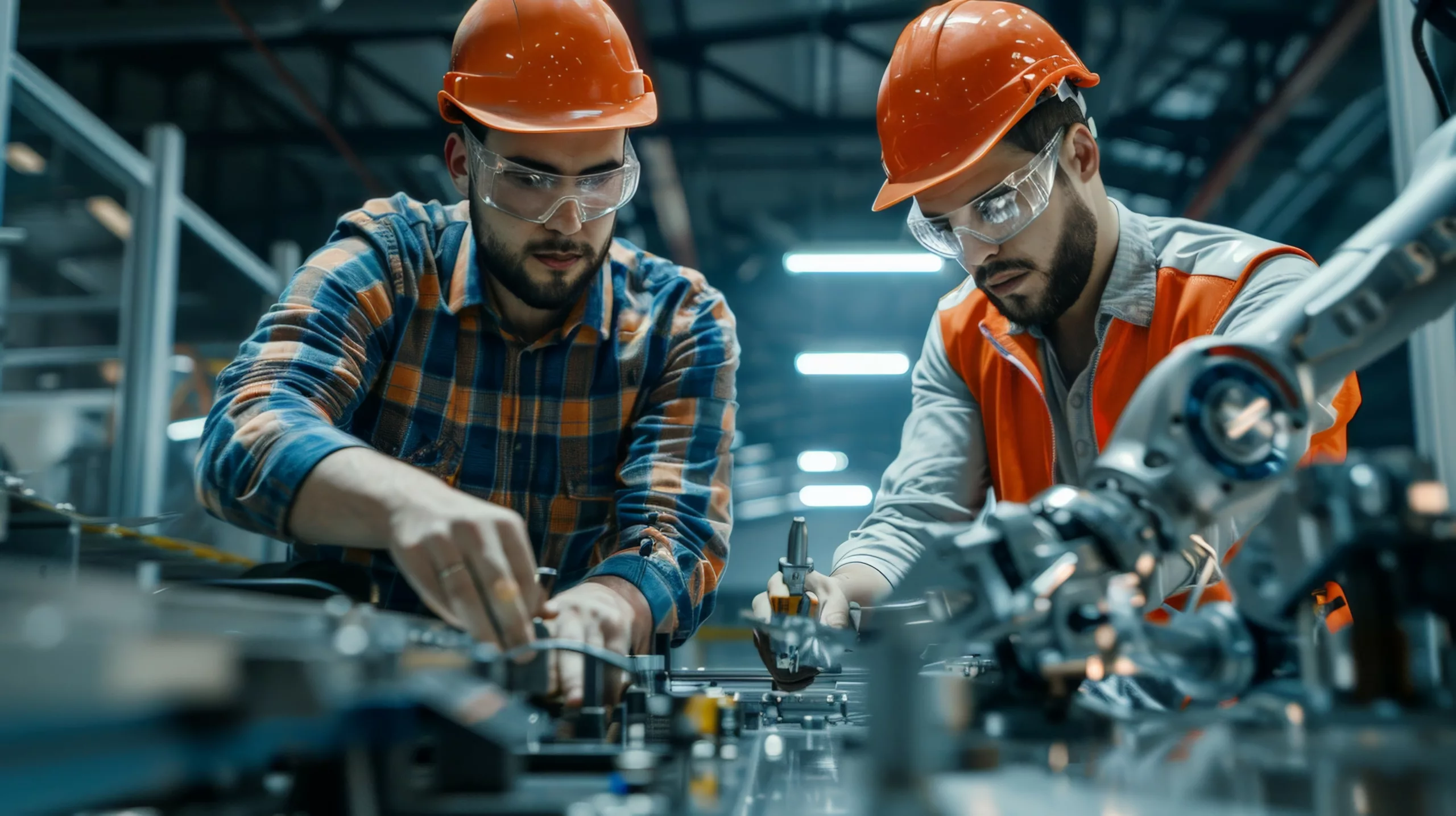
What Is IoT, and Why Is It Important for Workplace Safety?
IoT refers to the network of interconnected devices embedded with sensors, software, and technology that enable them to collect, exchange, and act upon data. In the context of workplace safety, IoT devices can include:
Wearable sensors (smart helmets, vests, or badges)
Environmental monitors (detecting gas, temperature, humidity, etc.)
Machinery sensors (tracking equipment health and maintenance)
Connected cameras and smart surveillance systems
These technologies allow companies to identify risks in real time, automate responses, and make data-driven decisions to prevent accidents before they occur.
Key Ways IoT Is Revolutionizing Safety in High-Risk Industries
1. Real-Time Hazard Detection and Response
One of the most significant advancements IoT brings to workplace safety is the ability to detect emerging hazards instantly. For example:
Gas Leak Detection: In oil, gas, and chemical plants, sensors can spot harmful gases early and warn workers to leave before it becomes dangerous.
Slip, Trip, and Fall Alerts: Wearable IoT sensors can detect sudden movements or falls and automatically alert supervisors or emergency teams.
Environmental Monitoring: IoT-enabled monitoring devices track temperature, humidity, noise, and air quality, ensuring standards are met at all times.
2. Predictive Maintenance and Equipment Monitoring
High-risk industries rely on heavy machinery, and equipment failure is a frequent cause of accidents. IoT helps by monitoring:
Vibration and Temperature: Sensors provide early warnings when machinery is overheating or malfunctioning.
Usage Analytics: Data on equipment usage helps schedule maintenance before failures occur, reducing downtime and risk of injury.
Remote Diagnostics: Technicians can assess machinery conditions from a safe distance, limiting physical exposure to potential hazards.
3. Enhancing Worker Health and Well-Being
The well-being of workers is central to workplace safety. IoT transforms health monitoring by:
Wearable Health Trackers: These devices monitor heart rate, fatigue, hydration, and stress levels in real time. If a worker shows signs of exhaustion, an alert is sent to both the worker and their supervisor.
Heat and Fatigue Alerts: Construction and mining sites in extreme environments use IoT to warn workers when environmental conditions are dangerous.
4. Improving Emergency Response and Evacuation
Quick, effective action during emergencies can save lives. IoT platforms play a vital role in:
Automated Alerts: In case of fire, gas leaks, or equipment collapse, IoT systems can automatically trigger alarms, activate sprinklers, and direct workers to safe exits.
Tracking Worker Locations: Wearables help account for every worker during evacuations; supervisors know who is safe and who may need rescue.
Integration with First Responders: Real-time data can be shared with emergency crews before they arrive, so they’re prepared for what to expect on site.
5. Data-Driven Safety Culture
Collecting data is only half the story. The real magic of IoT lies in analyzing the vast amounts of information generated:
Incident Analysis: Every near-miss or minor incident can be logged and studied, providing insights into patterns and root causes.
Performance Dashboards: Managers track safety KPIs, compliance, and hazard zones at a glance, making it easier to plan interventions.
Continuous Improvement: With a data-driven feedback loop, organizations can refine their safety policies, procedures, and training over time.
Benefits of IoT Adoption in High-Risk Industries
Enhanced Compliance
Meeting health and safety regulations becomes more efficient with automated record keeping, incident logs, and compliance dashboards — all powered by IoT.
Increased Productivity
By reducing accidents, companies have fewer work stoppages and downtime, leading to improved productivity and profitability.
Lower Operational Costs
Predictive maintenance minimizes repair expenses, insurance claims, and regulatory fines, generating long-term savings.
Boosted Morale & Recruitment
When employees feel safer, morale improves and organizations attract top talent who value a culture of safety.
Challenges to IoT Implementation in Industrial Safety
Despite the transformative potential, integrating IoT into high-risk workplaces has its hurdles:
Cybersecurity Risks: More devices mean more points of vulnerability. Ensuring secure data transmission is crucial.
Data Privacy: Continuous monitoring raises concerns about workers’ privacy that need to be addressed through robust policies.
Integration Complexity: Connecting IoT devices to legacy equipment and existing systems can be complex and resource-intensive.
Initial Investment: For many firms, the upfront costs may seem high, although long-term ROI is usually positive.
Top IoT Devices and Solutions for Workplace Safety
These innovative IoT solutions are setting new benchmarks for workplace safety in high-risk industries:
Smart Helmets: Equipped with sensors that detect impact, posture, and environmental hazards.
Connected Gas Detectors: Wireless and portable, allowing for real-time gas monitoring across large facilities.
Geo-fencing and Proximity Sensors: Prevent unauthorized entry into dangerous zones and reduce collisions between equipment and individuals.
Incident Reporting Apps: Allow workers to report hazards via smartphones, which sync directly with IoT safety platforms.
Real-World Examples of IoT in Action
Mining: Wearables monitor miner health, real-time environmental sensors alert crews to gas build-up, and autonomous vehicles mitigate exposure to hazardous materials.
Construction: Smart badges track worker location, fatigue, and exposure to noise or dust, while cranes and heavy machinery are retrofitted with predictive maintenance sensors.
Oil & Gas: Pipelines feature leak detection sensors, and drones inspect hard-to-reach equipment, minimizing human risk.
How to Get Started: Steps to Deploy IoT for Workplace Safety
Assess Needs: Conduct a risk assessment to identify key hazards and areas for IoT integration.
Choose the Right Solutions: Select devices and platforms that match your industry’s requirements and budget.
Pilot and Scale: Start with a small deployment to validate performance, then expand coverage incrementally.
Train Staff: Educate employees on how to use IoT devices, report issues, and improve safety protocols using analytics.
Monitor and Improve: Continuously collect data, solicit feedback, and refine your approach for ongoing improvement.
Conclusion
As high-risk industries face mounting safety challenges, IoT solutions are proving indispensable. With the potential to revolutionize hazard detection, worker protection, and incident response, IoT is ushering in a new era of proactive workplace safety. Companies that embrace these technologies not only reduce risks but also set themselves apart as leaders in industrial innovation and employee care.