How Industrial Gases Are Advancing Brazil's Manufacturing, Healthcare, and Food Processing Industries
By Adam Williamson 07-10-2026 25
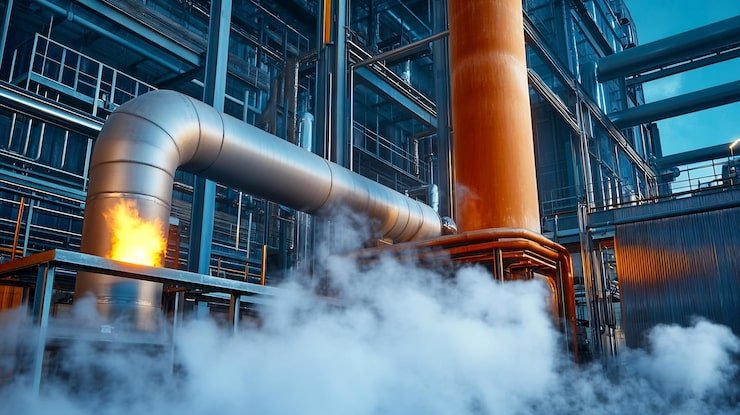
Industrial gases play a vital role in Brazil's industrial economy by supporting manufacturing, healthcare, mining, food processing, chemicals, and energy production. Oxygen, nitrogen, hydrogen, carbon dioxide, and argon are widely used to improve production efficiency, maintain product quality, and enhance workplace safety across diverse industrial applications. According to a Vyansa Intelligence report, the Brazil industrial gases market is valued at USD 1.89 billion in 2025 and is projected to reach USD 2.04 billion by 2032, registering a CAGR of 1.1% from 2026 to 2032. The findings indicate a mature industry that continues to benefit from technological improvements and expanding industrial applications.
Manufacturing Remains the Largest Consumer of Industrial Gases
Brazil has one of the largest manufacturing sectors in Latin America, producing automobiles, machinery, steel, chemicals, and consumer goods. Industrial gases are extensively used in welding, cutting, metal fabrication, heat treatment, and controlled manufacturing environments where precision and efficiency are essential. According to this industry report, manufacturers continue adopting advanced production technologies, while the industrial gases market analysis highlights the importance of maintaining a consistent and reliable gas supply for uninterrupted operations.
Modern production facilities increasingly rely on high-purity gases and automated gas management systems to improve productivity, reduce waste, and maintain product quality throughout manufacturing processes.
Healthcare Continues to Support Stable Demand
Healthcare remains one of the most important application areas for industrial gases in Brazil. Medical oxygen is essential for hospitals, emergency services, intensive care units, and home healthcare, while nitrous oxide and specialty gases support surgical procedures and diagnostic applications. In this report, healthcare infrastructure is recognized as a major contributor to industrial gas consumption, while industry growth trends reflect ongoing investments in medical services and healthcare facilities.
The continued expansion of healthcare access and the growing demand for certified medical gases reinforce the need for reliable production, storage, and distribution systems throughout the country.
Food Processing Expands Industrial Gas Applications
Brazil is one of the world's leading producers and exporters of agricultural and food products, making the food processing industry a significant consumer of industrial gases. Carbon dioxide is widely used in beverage production, while nitrogen supports modified atmosphere packaging that helps preserve freshness and extend product shelf life. Detailed market insights indicate that food manufacturers continue investing in advanced preservation technologies, while the industrial gases industry report highlights the importance of efficient packaging solutions that support food quality and reduce waste.
Liquid nitrogen is also widely used for rapid freezing processes that help maintain product texture, flavor, and nutritional value during storage and transportation.
Mining and Metal Processing Strengthen Industrial Gas Usage
Brazil's mining industry plays an important role in supporting industrial gas consumption due to its extensive production of iron ore, bauxite, manganese, gold, and other minerals. Industrial gases assist with mineral extraction, metal refining, welding, and equipment maintenance across mining operations. The market research report identifies mining as a key industrial application, while the industry analysis explains how modernization efforts continue to improve operational efficiency across extraction and processing facilities.
As mining companies invest in advanced technologies and automation, industrial gases remain essential for maintaining productivity and workplace safety.
Sustainability Encourages Process Improvements
Industries across Brazil are increasingly adopting sustainable production practices to improve efficiency and reduce environmental impact. Industrial gases contribute to cleaner combustion, optimized chemical processes, wastewater treatment, and emissions management across various manufacturing operations. The latest market analysis highlights the growing emphasis on environmentally responsible industrial practices, while industry analysis demonstrates how digital monitoring technologies are improving gas utilization and operational performance.
These improvements help industries reduce resource consumption while maintaining consistent production quality and operational reliability.
Reliable Infrastructure Supports Industrial Operations
Industrial gases require specialized production facilities, storage systems, transportation networks, and distribution infrastructure to ensure continuous supply across multiple industries. Efficient logistics remain particularly important for manufacturers operating continuous production lines where uninterrupted gas availability directly influences operational performance. The industrial gases market analysis identifies infrastructure development as an important operational priority, while industry growth trends emphasize the role of supply chain efficiency in supporting industrial activities across Brazil.
Continued investments in distribution capabilities also improve access to industrial gases for businesses located in expanding industrial regions. The International Energy Agency (IEA) highlights hydrogen's growing role in industrial decarbonization and clean energy systems, reinforcing its long-term potential across manufacturing, refining, and energy-intensive industries.
Conclusion
Industrial gases continue to support Brazil's industrial development by enabling efficient manufacturing, strengthening healthcare services, improving food processing, and supporting mining operations. Advances in production technologies, infrastructure improvements, and sustainable industrial practices are expanding the range of applications for industrial gases across the country. The industrial gases industry report provides valuable insights into these developments, while the market research report illustrates how evolving industrial requirements continue to influence industrial gas adoption across diverse sectors.