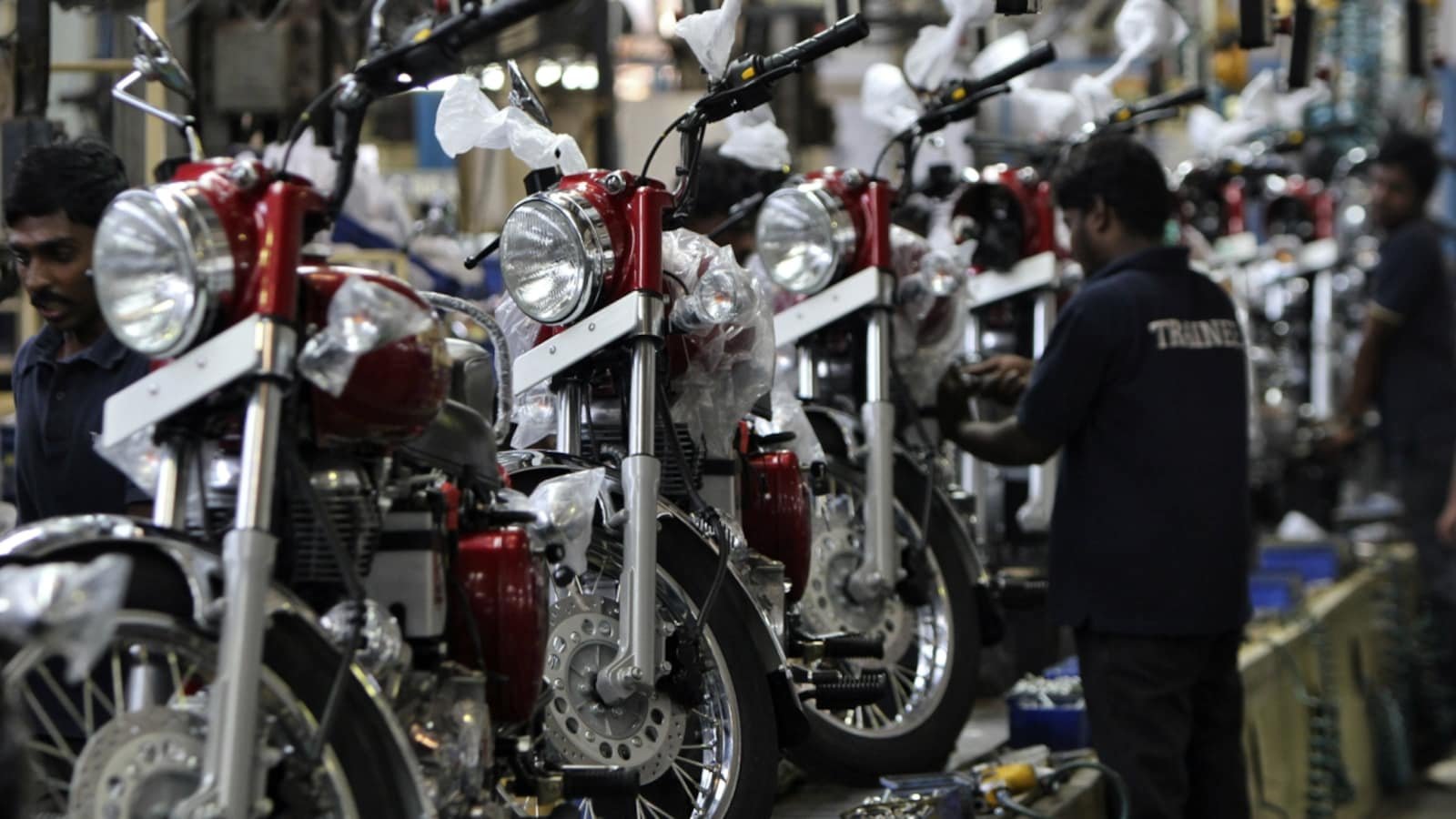
India’s two-wheeler ecosystem is entering a period of meaningful transformation as mobility requirements evolve across cities, towns, and rural communities. Motorcycles and scooters remain closely linked with affordable personal transportation, but purchasing decisions are becoming more diverse. Fuel efficiency, daily commuting convenience, vehicle technology, maintenance requirements, and long-term ownership costs increasingly influence how consumers evaluate two-wheelers for regular mobility.
Changing travel patterns are also widening the role of two-wheelers beyond traditional household use. Food delivery, e-commerce logistics, courier services, small freight movement, and bike-based mobility services are creating different expectations around durability and operating efficiency. A detailed assessment of the two-wheeler mobility landscape in India indicates that personal and commercial applications are contributing to a more varied demand environment.
According to analysis published by MarkNtel Advisors, the India Two-Wheeler Market is projected to expand from USD 29.74 billion in 2026 to USD 42.67 billion by 2032, registering a CAGR of around 6.2% during the forecast period. These figures reflect the continued relevance of two-wheelers within the country’s mobility system while highlighting how urbanization, commuting needs, and changing vehicle preferences are shaping the sector.
Daily Mobility Needs Continue to Influence Demand
Two-wheelers remain particularly relevant in India because they address practical transportation requirements across varied geographies. In densely populated cities, their compact size can support everyday movement through congested road networks. In smaller towns and rural areas, motorcycles often provide flexible personal transport where public mobility options may be limited. This broad functional relevance continues to support two-wheeler usage across different income and consumer groups.
Daily commuting is also changing as residential areas expand beyond established commercial centres. Longer travel distances between homes, workplaces, educational institutions, and service locations are encouraging consumers to consider vehicle efficiency and reliability more carefully. Two-wheelers can provide an adaptable option for point-to-point mobility, particularly for individuals who require regular transportation without the operating and parking requirements associated with larger passenger vehicles.
Electric Mobility Is Reshaping Vehicle Preferences
Electrification is becoming an increasingly important part of India’s mobility transition. Electric scooters and motorcycles are introducing consumers to alternative powertrains, connected features, and different ownership economics. The Government of India’s PM E-DRIVE framework includes demand incentives for electric two-wheelers and support for charging infrastructure, reflecting the policy focus on accelerating electric vehicle adoption and strengthening domestic manufacturing capabilities. Government information on PM E-DRIVE outlines these supporting measures.
The transition from petrol vehicles to electric alternatives, however, is unlikely to occur uniformly across every consumer segment. Vehicle range, charging availability, battery performance, upfront pricing, and after-sales support remain important considerations. Petrol-powered motorcycles continue to serve established mobility requirements, while electric two-wheelers are gaining relevance for predictable daily journeys and applications where charging can be planned around regular operating schedules.
Last-Mile Delivery Is Creating New Usage Patterns
The expansion of digital commerce and app-based services has strengthened the commercial importance of two-wheelers. Delivery riders frequently operate vehicles for extended periods, making running costs, service intervals, vehicle reliability, and carrying practicality important purchasing considerations. This usage pattern differs substantially from occasional personal travel and is encouraging manufacturers to examine products and service models suited to high-frequency urban operations.
Electric two-wheelers may also find practical applications in organized delivery fleets because predictable routes can support planned charging and operational monitoring. Fleet operators increasingly evaluate total operating requirements rather than focusing exclusively on initial vehicle prices. As delivery networks become more structured, vehicle connectivity, battery management, route data, and maintenance visibility could play a larger role in fleet-level mobility decisions.
Technology Is Becoming Part of the Ownership Experience
Modern two-wheelers are increasingly incorporating digital and connected features that influence the rider experience. Navigation support, smartphone integration, digital instrument displays, vehicle diagnostics, and connected applications are becoming more visible across product portfolios. These technologies can help riders access vehicle information and service-related insights, while manufacturers gain opportunities to improve customer engagement throughout the ownership lifecycle.
Safety technology is another area receiving greater attention. Braking systems, lighting improvements, tyre performance, rider-assistance features, and vehicle monitoring systems are gradually becoming more important in product development. Consumer awareness around road safety may further influence purchasing decisions, particularly as buyers compare vehicles using broader criteria beyond engine capacity, styling, and fuel economy.
Regional and Consumer Differences Will Remain Important
India cannot be viewed as a uniform two-wheeler demand environment. Urban congestion, rural mobility requirements, household income, road infrastructure, fuel access, charging networks, and regional commuting patterns can influence vehicle preferences. Scooters may address convenience-focused urban journeys, while motorcycles can remain relevant for longer travel requirements and varied road conditions. Manufacturers therefore need to understand local mobility behaviour when developing product and distribution strategies.
Consumer expectations are also becoming more segmented. First-time buyers may prioritize affordability and maintenance simplicity, while experienced riders may consider performance, technology, comfort, and design. Commercial users can place greater emphasis on operating economics and vehicle uptime. This diversity is encouraging a wider product mix across engine capacities, vehicle formats, fuel types, and applications.
A More Diverse Two-Wheeler Ecosystem Is Emerging
The future direction of India’s two-wheeler sector is increasingly connected with the coexistence of conventional mobility and emerging electric technologies. Petrol motorcycles and scooters continue to address established consumer requirements, while electric models are creating new possibilities for urban commuting and commercial operations. The pace of change will depend on affordability, infrastructure, product reliability, policy development, and consumer confidence in newer mobility technologies.
India’s two-wheeler ecosystem is therefore evolving beyond a simple vehicle ownership story. Personal commuting, electrification, last-mile delivery, connected technology, and changing regional needs are creating a more complex mobility landscape. Companies that understand distinct user requirements and respond with practical, reliable, and appropriately positioned vehicle solutions are likely to remain relevant as transportation behaviour continues to change through 2032.