A few years ago, buying fitness equipment online felt risky. Would it be sturdy enough? Would it look like the pictures? Would it actually help you stay consistent?
Today, things are different.
Home fitness has become more than a backup plan for gym closures or busy schedules. It’s now part of how many families design their daily lives. Living rooms double as yoga studios. Backyards become mini recreation centers. And late-night scrolling often turns into thoughtful investments in health and movement.
At the same time, e-commerce has grown smarter. It’s no longer just about clicking “Add to Cart.” It’s about reading real feedback, comparing features, and feeling confident that what arrives at your door will truly fit your lifestyle.
Let’s explore how home fitness and online shopping are shaping each other — and how you can make better buying decisions in the process.
Fitness at Home Feels Personal — and So Should the Shopping Experience
Working out at home isn’t just about convenience. It’s about comfort.
Some people prefer privacy while exercising. Others want flexibility — a quick 20-minute session between meetings or an evening workout without driving anywhere. Families enjoy turning fitness into shared time instead of separate gym visits.
Because these choices are personal, the buying process becomes personal too.
When browsing fitness equipment online, shoppers aren’t just looking at specifications. They’re imagining where the product will sit in their home. They’re picturing morning routines, family fun, or quiet solo workouts. That emotional connection influences purchasing decisions more than flashy ads ever could.
Reviews Are the New Word-of-Mouth
Think about the last time you bought something significant online. You probably didn’t just rely on the product description. You scrolled down. You read reviews. Maybe you even sorted by “most recent.”
In the fitness category, reviews matter even more because equipment affects safety and comfort. Shoppers want honest answers:
- Does it wobble?
- Is it loud?
- Was it hard to assemble?
- Did it last longer than a few months?
- How responsive was customer service?
Real feedback builds trust. It helps people avoid disappointing purchases and feel reassured before spending their money.
That’s why platforms that highlight genuine consumer experiences are becoming go-to resources for smart buyers.
Small-Space Fitness Is Winning Hearts
Not everyone has a spare room for a full home gym. Many people live in apartments or shared spaces. That’s where compact equipment becomes appealing.
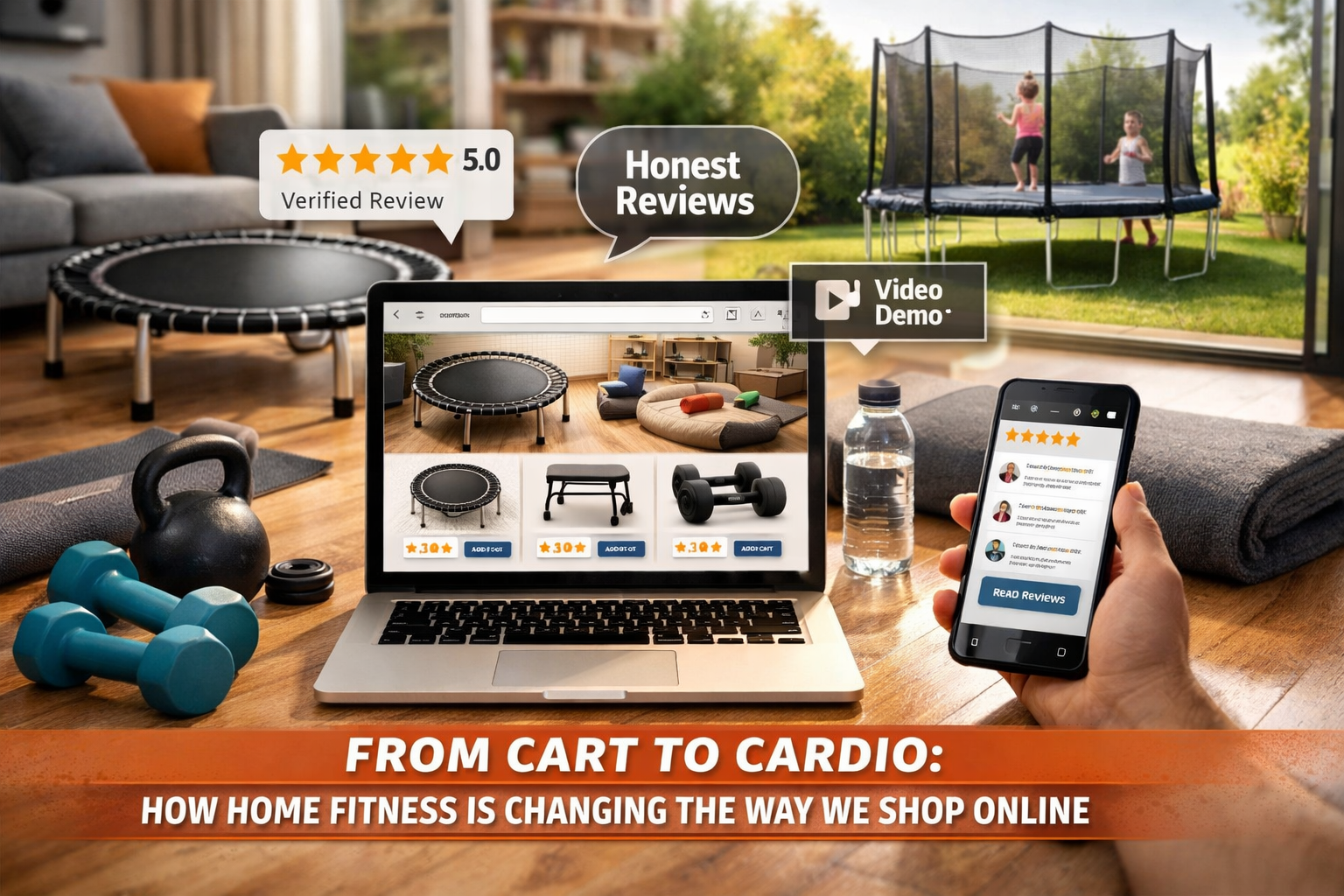
A rebounder is a good example of something small that delivers a surprising impact. It doesn’t demand much floor space, yet it offers an energetic cardio session. Many users appreciate that it’s gentler on the joints compared to high-impact workouts, making it accessible for a wide range of fitness levels.
But here’s the thing: even with smaller equipment, details matter. Buyers should check:
- Frame strength
- Maximum weight capacity
- Surface stability
- Ease of storage
- Noise level
When online stores provide videos and real-life demonstrations, it becomes easier to imagine how the product will actually feel during a workout.
Turning Backyards into Fitness Zones
On the other end of the spectrum, some households are thinking bigger.
Instead of investing in expensive entertainment options or multiple subscriptions, families are upgrading their outdoor spaces. Movement becomes part of daily life, especially for children who need healthy ways to burn energy.
A 14 ft trampoline is often chosen by families with more outdoor space. It’s not just about bouncing — it’s about laughter, fresh air, and shared activity. Adults use it for cardio sessions. Kids see it as play. That combination makes it a meaningful long-term investment.
However, larger purchases require careful research. Before clicking “Buy Now,” shoppers should consider:
- Safety enclosures
- Padding quality
- Weather resistance
- Assembly complexity
- Replacement part availability
- Warranty terms
Reading other families’ installation experiences can reveal helpful insights that product descriptions might overlook.
E-Commerce Has Become Smarter — But So Have Consumers
Online shopping is more personalized than ever. Algorithms suggest products based on browsing habits. If you explore home workout tools, you’ll start seeing related recommendations across platforms.
While personalization is convenient, it’s important not to rush decisions. Fitness equipment is usually not an impulse purchase. It should match your goals, available space, and budget.
Smart consumers now compare:
- Prices across multiple websites
- Delivery timelines
- Return policies
- Customer service ratings
They understand that a lower price doesn’t always mean better value if the product doesn’t last.
Budgeting Beyond the Price Tag
One common mistake shoppers make is focusing only on the initial cost.
Fitness equipment can have additional expenses:
- Replacement parts
- Maintenance
- Installation tools
- Protective covers for outdoor use
Thinking long-term helps prevent frustration. Ask yourself: Will this still fit my lifestyle in a year? Is it durable enough for frequent use? Does it align with realistic fitness goals?
Buying with intention often leads to greater satisfaction — and better health outcomes.
Safety Should Always Come First
Whether you’re buying compact indoor equipment or larger outdoor installations, safety should never be overlooked.
Look for:
- Clear weight limits
- Sturdy materials
- Verified safety certifications
- Honest reviews mentioning durability
If multiple reviewers mention instability or weak components, take that seriously. No discount is worth compromising safety.
The Emotional Side of Fitness Shopping
Here’s something many people don’t talk about: fitness purchases are often fueled by motivation.
You feel inspired. You want change. You imagine a healthier version of yourself.
There’s nothing wrong with that — motivation is powerful. But combining inspiration with research is what turns excitement into lasting results.
Instead of asking, “Is this trending?” ask, “Will this realistically fit into my routine?”
When e-commerce platforms provide clear comparisons and authentic feedback, they empower buyers to make decisions rooted in both hope and practicality.
Where Fitness and E-Commerce Are Headed
The future of online fitness shopping looks promising.
We’re already seeing:
- Augmented reality tools to preview equipment placement
- Detailed video reviews from real users
- Community-based ratings
- Flexible payment options
- More transparent brand communication
As consumers demand honesty and quality, online retailers must respond with clarity and integrity.
Final Thoughts
Home fitness isn’t just about convenience — it’s about creating an environment that supports your well-being every day. And e-commerce has become the bridge that connects motivation to action.
When shoppers take the time to read reviews, compare features, and align purchases with real needs, they don’t just buy equipment. They invest in healthier routines, shared family moments, and long-term habits.
In the end, the smartest purchase isn’t the most expensive or the most popular — it’s the one that truly fits your life
Tags : rebounder