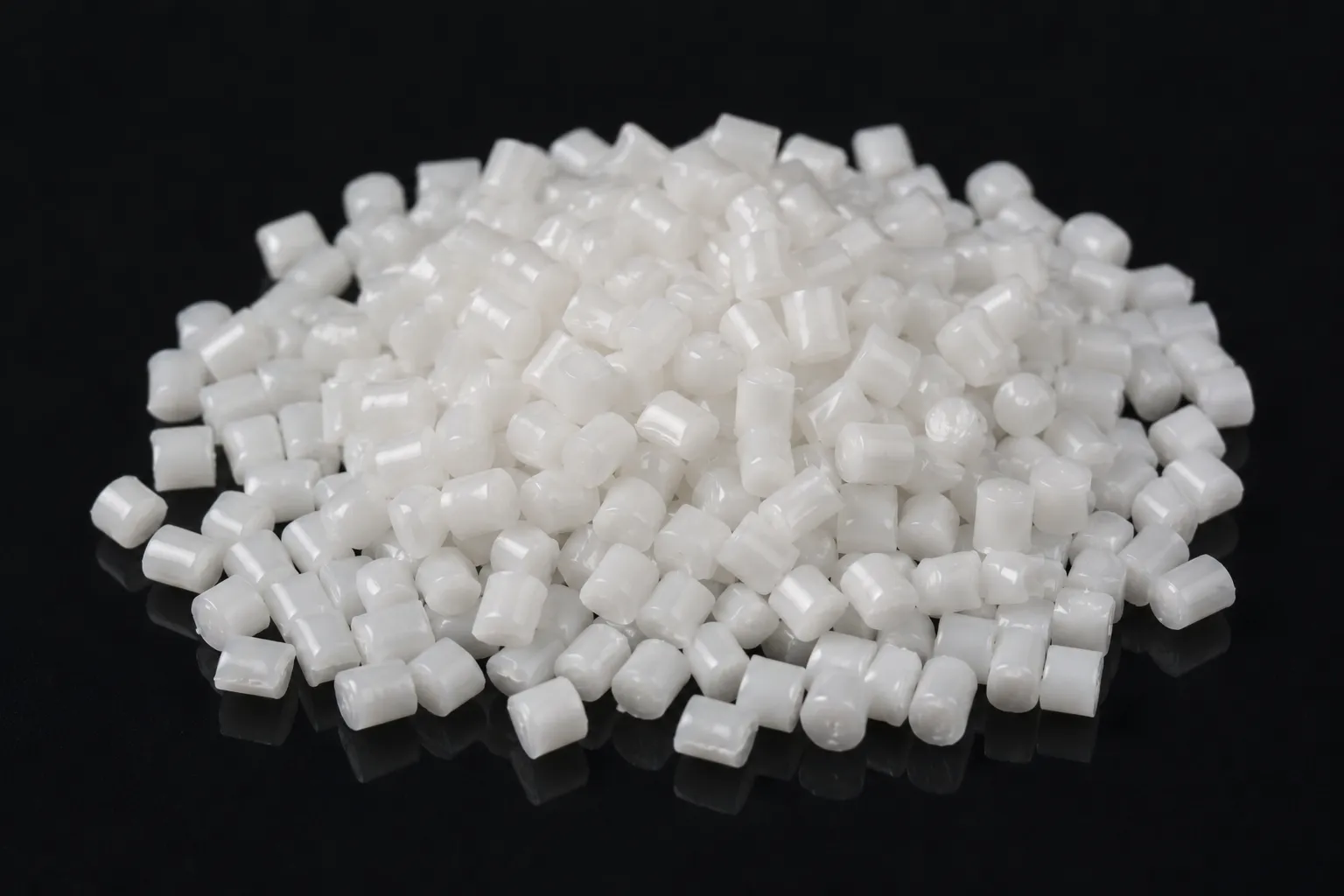
High Performance Thermoplastics have become increasingly important in industries that require materials capable of withstanding demanding operating conditions. From aerospace and automotive manufacturing to healthcare and electronics, these advanced polymers provide a combination of strength, durability, heat resistance, and lightweight performance. Their ability to replace traditional materials such as metals while maintaining structural integrity has made them a preferred choice for engineers and manufacturers seeking reliable material solutions.
The global High Performance Thermoplastics market growth was valued at USD 4.09 billion in 2025 and is projected to grow from USD 4.37 billion in 2026 to USD 6.74 billion by 2032, registering a CAGR of 7.40% during the forecast period (2026–2032). This steady expansion reflects increasing demand for durable and high-strength materials across multiple industrial applications.
Understanding the Unique Properties of Advanced Thermoplastics
High Performance Thermoplastics are engineered polymers designed to deliver superior mechanical and thermal properties compared to conventional plastics. Materials such as polyetheretherketone (PEEK), polyphenylene sulfide (PPS), polyetherimide (PEI), and polysulfone (PSU) are widely used because they maintain performance under extreme temperatures, chemical exposure, and mechanical stress.
Unlike many traditional materials that may corrode, crack, or degrade over time, these thermoplastics retain their structural characteristics for extended periods. Their excellent dimensional stability allows components to perform consistently even in challenging environments where reliability is critical.
Increasing Material Strength Through Advanced Polymer Engineering
The exceptional strength of High Performance Thermoplastics originates from their carefully engineered molecular structures. These materials possess strong intermolecular bonds that enable them to withstand significant mechanical loads without deformation. As a result, manufacturers can design lightweight components that maintain high levels of strength.
According to recent findings published by MarkNtel Advisors, increasing demand for lightweight yet durable materials is encouraging greater adoption of High Performance Thermoplastics across transportation, industrial equipment, and medical device manufacturing sectors.
Many engineering applications require materials capable of resisting repeated stress cycles. High Performance Thermoplastics offer excellent fatigue resistance, allowing products to maintain performance over long operational lifespans. This characteristic is particularly valuable in aerospace structures, automotive components, and industrial machinery where reliability directly impacts safety and efficiency.
Enhancing Durability in Harsh Operating Environments
Durability remains one of the most significant advantages of High Performance Thermoplastics. These materials demonstrate strong resistance to chemicals, moisture, radiation, and extreme temperatures. Their ability to perform under harsh conditions reduces the likelihood of material degradation and extends product service life.
Industries operating in corrosive environments often choose these thermoplastics because they can withstand exposure to aggressive chemicals that may damage metals or conventional polymers. This durability helps reduce maintenance requirements and replacement costs while improving overall operational efficiency.
According to NASA, advanced polymer materials play an important role in aerospace applications where components must tolerate extreme environmental conditions while maintaining structural reliability.
Supporting Lightweight Design Without Sacrificing Performance
One of the key reasons for the growing adoption of High Performance Thermoplastics is their ability to reduce component weight while maintaining strength and durability. Weight reduction has become a major priority across industries seeking greater energy efficiency and operational performance.
In the automotive sector, lighter materials contribute to improved fuel efficiency and support vehicle electrification initiatives. Similarly, aerospace manufacturers use advanced thermoplastics to reduce aircraft weight while maintaining stringent safety requirements.
Beyond transportation, lightweight designs also benefit industrial equipment and medical devices by improving handling, reducing operational stress, and enabling more flexible product designs.
According to U.S. Department of Energy, lightweight materials can contribute significantly to energy efficiency improvements across transportation and manufacturing applications.
Regional Developments Driving Material Adoption
Demand for High Performance Thermoplastics continues to expand across North America, Europe, and Asia-Pacific. Advanced manufacturing capabilities, growing investments in aerospace production, and increasing adoption of electric vehicles are supporting wider utilization of these materials.
Asia-Pacific has emerged as an important manufacturing hub, with countries such as China, Japan, South Korea, and India investing heavily in electronics, automotive production, and industrial infrastructure. These sectors require materials capable of delivering consistent strength and durability while meeting increasingly demanding performance standards.
Meanwhile, North America and Europe continue to drive innovation through research and development initiatives focused on advanced materials, sustainable manufacturing processes, and next-generation engineering applications.
According to International Energy Agency (IEA), ongoing industrial modernization and clean energy transitions are increasing demand for innovative materials that support efficiency and long-term performance.
Factors Influencing Future Material Development
Despite their advantages, High Performance Thermoplastics often involve higher production costs compared to conventional plastics. Specialized manufacturing requirements and complex processing techniques can influence adoption rates in cost-sensitive applications.
However, ongoing technological advancements are helping improve production efficiency and material availability. Researchers continue to develop new formulations that offer enhanced performance characteristics while reducing manufacturing complexity.
As sustainability becomes increasingly important, manufacturers are also exploring recyclable and environmentally responsible thermoplastic solutions. These developments may create additional opportunities for adoption across industries seeking both performance and sustainability benefits.
Key Companies Operating in the Sector
Several major companies contribute to the development and commercialization of High Performance Thermoplastics worldwide. Industry participants focus on material innovation, production expansion, and application-specific solutions to meet evolving customer requirements.
Key companies covered in the report include Victrex PLC, Solvay SA, Arkema SA, BASF SE, Evonik Industries AG, Celanese Corporation, SABIC, Mitsubishi Chemical Group Corporation, RTP Company, and Ensinger GmbH. These organizations continue to invest in advanced polymer technologies that support high-strength and durable applications across multiple industries.
As industries continue to prioritize reliability, efficiency, and lightweight performance, High Performance Thermoplastics are expected to remain an important material category. Their combination of mechanical strength, durability, thermal stability, and design flexibility positions them as a valuable solution for modern engineering challenges. Continued innovation, expanding industrial applications, and advancements in manufacturing processes could indicate sustained demand for these materials in the years ahead.