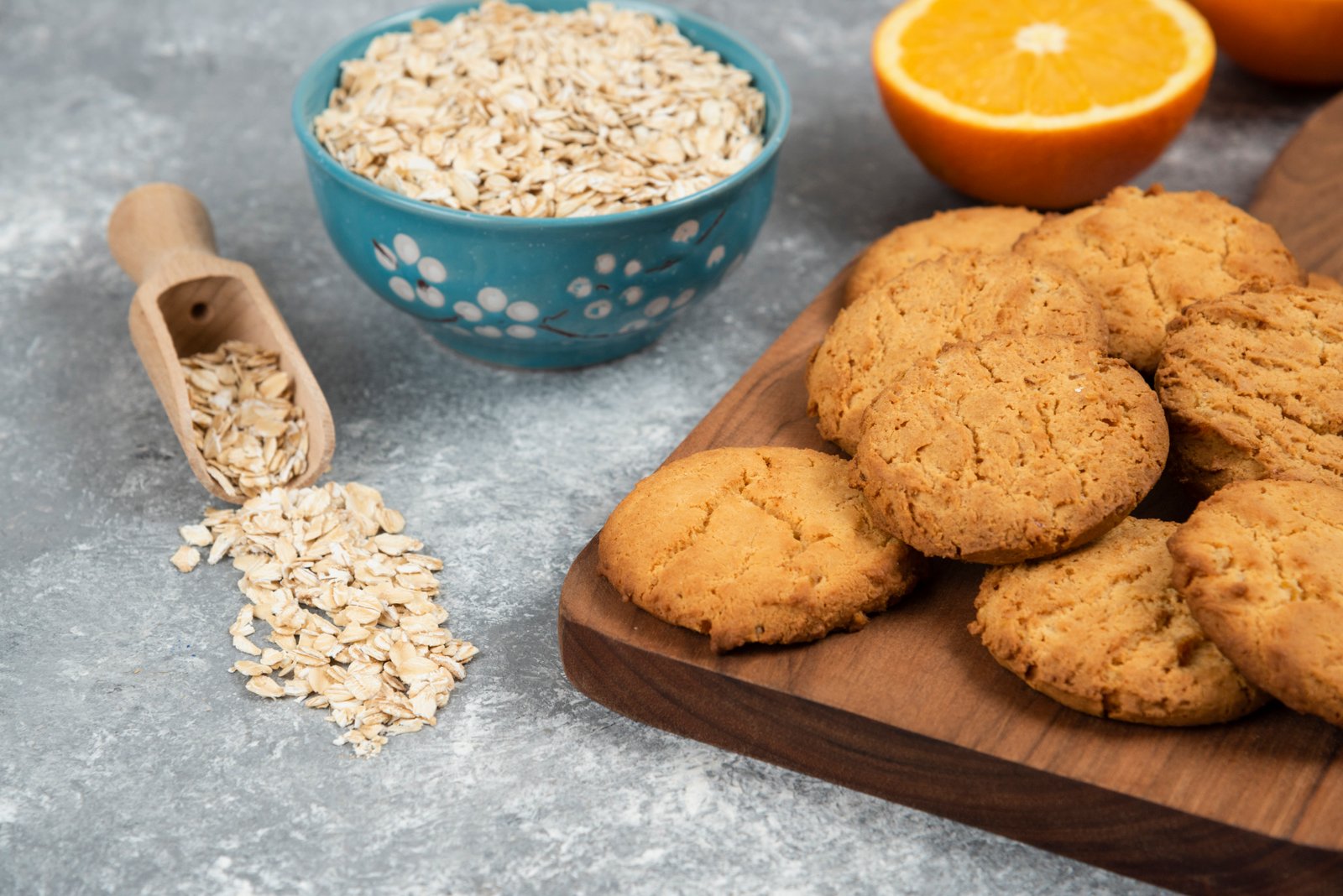
The Healthy Biscuit Market is experiencing steady growth as people from different age groups become more aware of their everyday food choices. Consumers today are no longer focused only on taste or convenience when selecting snacks. Instead, they are taking time to read nutrition labels, understand ingredient lists, and think about how regular consumption may affect their long-term health. This change in mindset has played a major role in the rising demand for healthier biscuit options that align with balanced eating habits.
Traditional biscuits are often associated with high sugar levels, refined flour, and unhealthy fats. While these products were once popular for their taste and affordability, growing health awareness has encouraged many consumers to look for better alternatives. Healthy biscuits made with whole grains, oats, multigrain flour, and natural sweeteners are now gaining attention. Ingredients such as fiber, protein, nuts, seeds, and plant-based components are increasingly valued, as they support digestion, sustained energy, and overall wellness. These nutritional improvements allow consumers to enjoy biscuits without feeling guilty about their choices.
Changing lifestyles have also contributed significantly to the growth of the healthy biscuit market. With busy work schedules, long commuting hours, and limited time for meal preparation, people often look for convenient snack options. Healthy biscuits fit well into this routine, offering an easy-to-carry and portion-controlled snack that can be consumed at any time of the day. Whether at the office, during travel, or between meals, these biscuits provide a practical solution for those who want quick nourishment without compromising on health goals.
Families are also influencing demand in this market. Parents are becoming more cautious about the snacks they provide to their children and are actively choosing options that offer better nutrition. Biscuits that contain whole grains, lower sugar levels, and fewer artificial additives are seen as safer and more suitable for young consumers. At the same time, adults are selecting healthy biscuits to support weight management, digestive health, and stable energy levels throughout the day, making these products appealing across generations.
Another important factor shaping the healthy biscuit market is the growing preference for clean-label and transparent products. Consumers want clarity about what they are eating and prefer biscuits made with simple, familiar ingredients. This demand has encouraged manufacturers to reduce the use of artificial flavors, preservatives, and excessive sweeteners. Brands are focusing more on honest labeling and natural formulations to build trust and connect with health-conscious buyers. As a result, transparency has become an essential element in product development and marketing strategies.
Dietary preferences and lifestyle choices are also expanding the market’s scope. The rising popularity of gluten-free, vegan, and low-calorie diets has influenced the development of specialized biscuit varieties. These options allow people with dietary restrictions or personal health goals to enjoy biscuits without feeling excluded. This inclusivity has helped the market reach a broader consumer base while encouraging innovation in ingredients and formulations.
Overall, the healthy biscuit market reflects a wider shift toward mindful eating and smarter snacking habits. Consumers are increasingly aware that small daily choices can have a long-term impact on their health. By choosing healthier biscuits, they are taking a simple yet meaningful step toward improving their diets. As awareness around nutrition and wellness continues to grow, healthy biscuits are expected to remain an important part of everyday food routines, supporting healthier lifestyles and more conscious consumption patterns