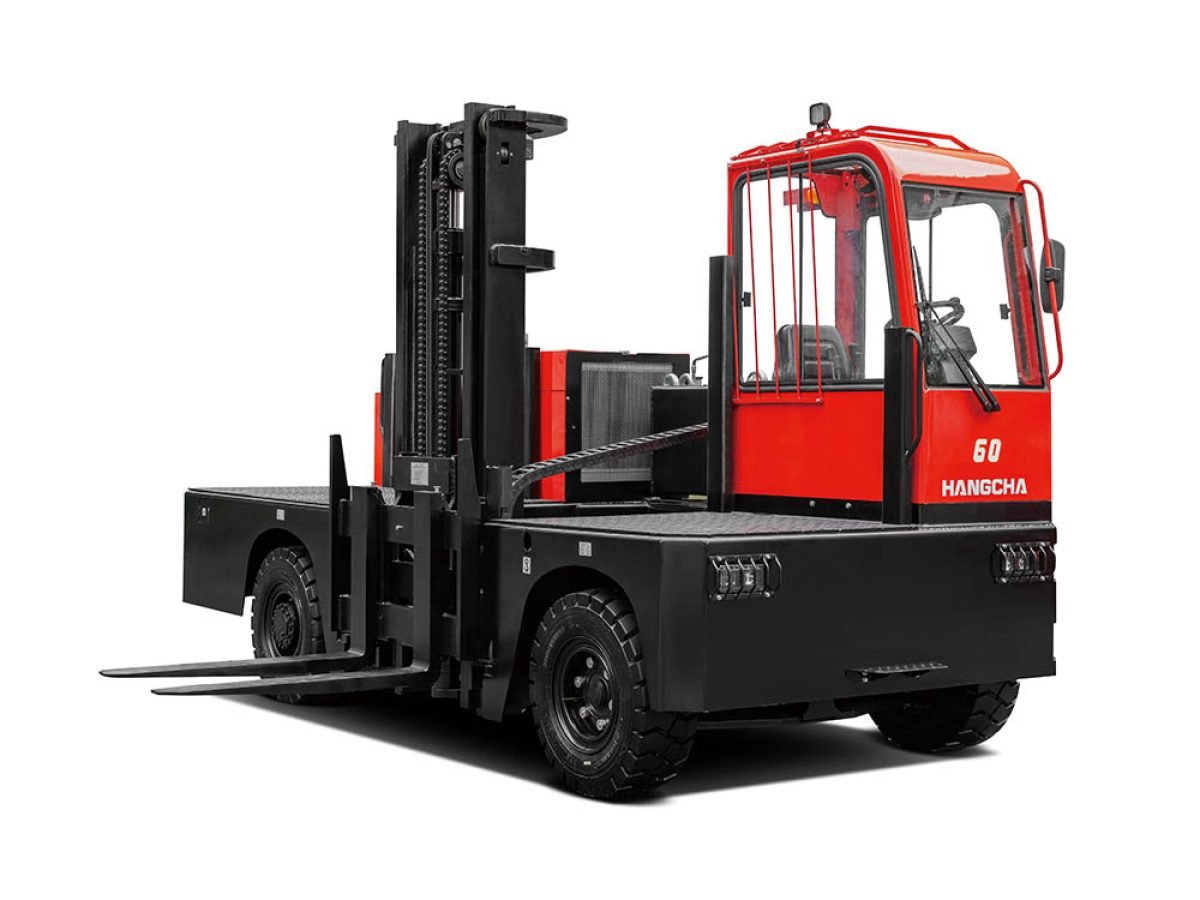
In the fast-paced, ever-changing logistics and supply chain environment of today, warehouses must be constantly under pressure to move more products in less time safely and efficiently. Conventional lifting solutions, although trustworthy, tend to fall short when dealing with tight area constraints, multiple types of loads, and rapid turnaround environments. Here enters flexible forklift technology to transform the face of warehouse operations. From eliminating wasted space to increasing productivity, these pieces of equipment are now not regarded merely as tools but as strategic tools. For example, bringing the Multi-Direction Forklift in India has been a game-changer, enabling companies to rethink how they handle heavy loads and optimize storage.
Moving Beyond Conventional Handling
Forklifts have long been at the heart of material handling. For decades, they have lifted, carried, and maneuvered loads across warehouses of all sizes. But as warehouse operations grow more complex, conventional forklifts can feel like blunt instruments in situations that demand precision and adaptability. Fixed movement patterns and limited maneuverability often lead to space restrictions, slower handling times, and increased risks when working in congested aisles.
Flexible forklifts address this challenge by offering features that adapt to unique operational demands. Their design goes beyond simple up-and-down lifting; they can move sideways, rotate, and fit into compact corners. This means that instead of redesigning a warehouse layout around equipment limitations, the equipment itself adapts to the layout.
Efficiency Meets Space Optimization
One of the biggest advantages of flexible forklifts is the way they maximize warehouse space. Traditional forklifts require wide aisles to turn and position loads, which translates to wasted floor area. Flexible forklifts, however, use multi-directional movement to navigate narrower aisles without compromising load capacity.
This improvement directly impacts storage density. More pallets can fit into the same square footage, which allows warehouses to expand their inventory without physically expanding the building. For industries where real estate costs are high or where vertical storage solutions are in place, this can translate into significant savings.
Safety as a Built-In Priority
Safety is another area where flexible forklifts prove their worth. In warehouses, accidents often happen due to sharp turns, blind spots, and overloaded machines operating in tight spaces. Flexible forklifts are designed with enhanced visibility, stable handling, and precision controls that minimize these risks. Their ability to move smoothly in multiple directions reduces the need for sudden maneuvers that can destabilize loads or cause collisions.
Additionally, many of these machines are equipped with modern technology, such as sensors and load-stability systems, that further safeguard operators and goods. For warehouse managers, this combination of flexibility and safety means fewer interruptions, reduced damage, and a stronger safety record.
Productivity Gains Through Adaptability
Productivity in warehousing is often measured in terms of how quickly goods move from one point to another. Flexible forklifts shine in this area by reducing the time it takes to transport and position heavy or awkward loads. Their ability to switch directions effortlessly minimizes delays and keeps operations flowing.
For example, when handling oversized goods or long materials such as pipes, traditional forklifts require wide turning radii and complicated maneuvering. Flexible forklifts can pick up the same load and move it directly sideways down a narrow aisle, saving both time and energy. Over a full day of operations, these time savings add up to major productivity improvements.
Meeting Global Standards in Handling
Another important aspect of modern warehousing is the ability to meet international handling requirements. The growing global trade environment means warehouses often deal with varied load types, including large shipping containers. In such cases, ISO Container Lifting capabilities integrated into forklifts or related equipment ensure compatibility with standardized containers used worldwide.
By combining flexible forklift systems with container-handling attachments or specialized machines, warehouses can seamlessly transition between domestic cargo and international shipments. This adaptability reduces the need for multiple pieces of equipment and streamlines the overall supply chain. For warehouses connected to ports or international logistics hubs, this kind of integration can be a critical competitive advantage.
Integration with Automation and Smart Systems
As warehouses embrace automation and digital technologies, flexible forklifts are becoming key components in smart warehouse ecosystems. Many modern models can be integrated with warehouse management systems (WMS) to receive real-time instructions, track load movements, and even share operational data for performance analysis. This integration reduces human error, ensures accurate inventory tracking, and helps managers make data-driven decisions. When combined with automated guided vehicles (AGVs) and robotic picking systems, flexible forklifts bridge the gap between traditional handling and future-ready automation. Such collaboration not only enhances speed but also creates a seamless workflow where every piece of equipment works in harmony.
Preparing for the Future of Warehousing
Looking ahead, the demand for flexibility in material handling will only intensify. E-commerce growth, rapid order fulfillment expectations, and the rise of smaller urban warehouses require equipment that can adapt quickly. Flexible forklifts are well-positioned to meet these demands, especially as manufacturers continue to innovate with AI-driven navigation, predictive maintenance, and eco-friendly power systems. For businesses, investing in this technology is not just about solving today’s challenges but about preparing for the unpredictable future of logistics. Warehouses that adopt flexible forklifts now are setting themselves up to remain competitive, resilient, and responsive in a marketplace that values speed, safety, and sustainability above all else.
Environmental and Cost Benefits
Flexible forklifts are not only practical but also economical and environmentally friendly. Many modern models are powered by electricity or hybrid systems, reducing fuel consumption and lowering carbon emissions. Their efficiency translates into reduced operational costs, as fewer machines are needed to accomplish the same tasks.
Furthermore, because they help optimize space usage, companies may avoid costly expansions or additional storage facilities. In industries where sustainability is becoming a priority, flexible forklifts contribute to greener warehousing practices without compromising performance.
The Human Element in Technology
At the heart of this transformation is the human element. Operators often find flexible forklifts easier to use and more intuitive than traditional models. Their ergonomic designs reduce physical strain, and their precise controls empower workers to perform complex tasks with confidence. This not only boosts morale but also lowers turnover and training costs.
Warehousing has always been about more than just storage, it’s about ensuring the smooth flow of goods to keep businesses running and customers satisfied. Flexible forklifts bring a humanized touch to technology, ensuring that people remain at the center of operations while machines take on the heavy lifting, literally and figuratively.
Conclusion
The role of flexible forklifts in warehousing is undeniable. They combine safety, efficiency, and adaptability in ways that traditional forklifts simply cannot match. From making better use of limited space to handling standardized containers in global trade, these machines represent a significant leap forward for the industry. For warehouses facing the dual challenge of rising demand and limited resources, flexible forklifts provide a clear path toward smarter, safer, and more sustainable operations.