How Fifth-Party Logistics Is Transforming Supply Chains in the Middle East
By johnryan 19-06-2026 128
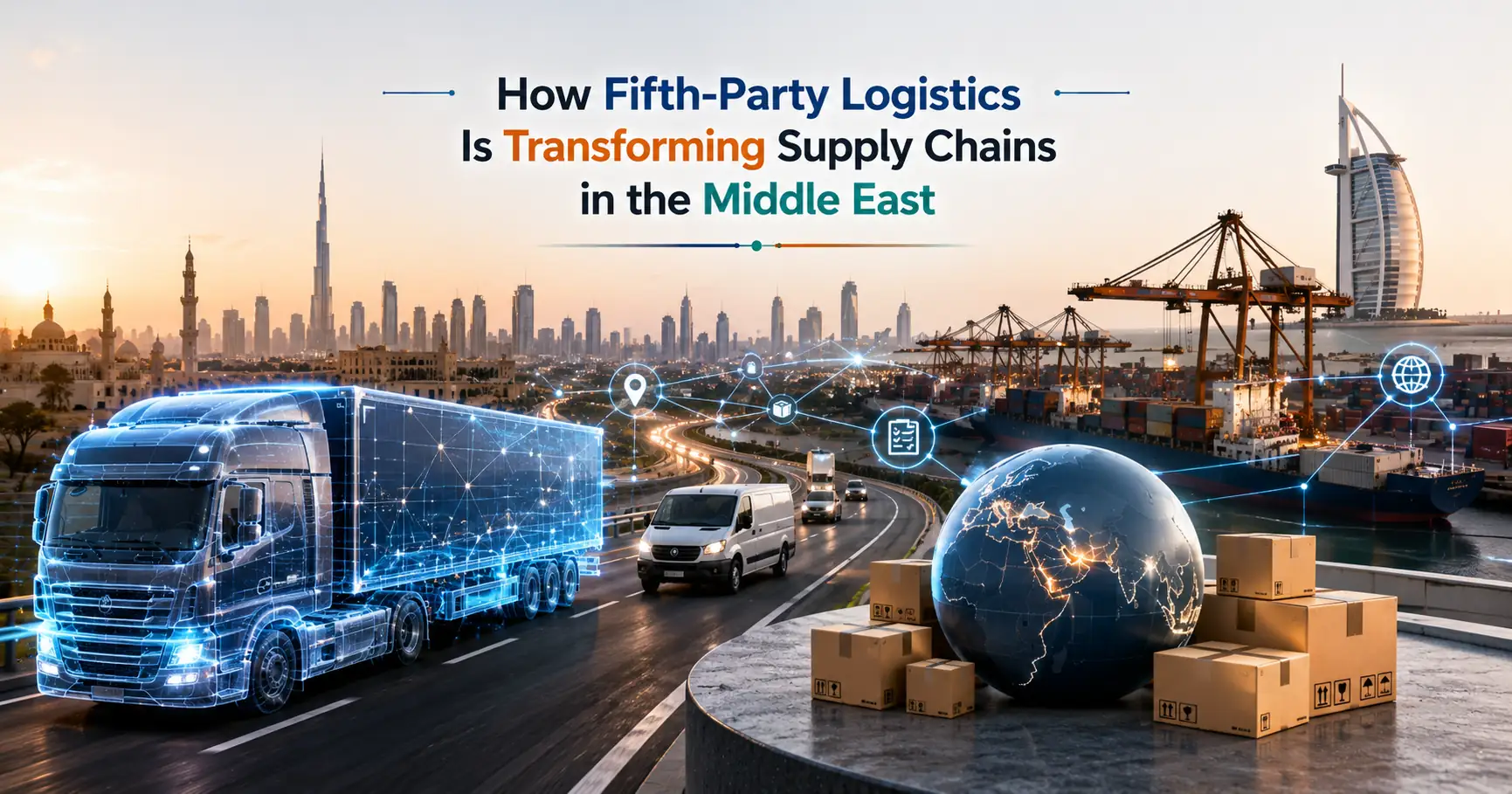
Middle East 5PL services are becoming increasingly important as businesses seek more efficient ways to manage complex supply chains. Fifth-party logistics (5PL) providers go beyond traditional logistics management by integrating multiple service providers, technologies, and transportation networks into a unified ecosystem. This approach enables organizations to improve visibility, reduce operational inefficiencies, and respond more effectively to changing market demands.
The region’s position as a global trade crossroads has accelerated the need for advanced logistics solutions. Growing e-commerce activity, expanding cross-border trade, and increasing customer expectations are encouraging businesses to adopt more sophisticated supply chain models. As a result, 5PL providers are emerging as strategic partners that help organizations coordinate end-to-end logistics operations across multiple countries and industries.
Rising Demand for Advanced Middle East 5PL Solutions
According to a Middle East Fifth-party Logistics (5PL) report, the industry is projected to expand at a CAGR of around 7.5% during the forecast period from 2024 to 2030. The growth reflects the increasing need for centralized logistics management capable of handling complex supply chain networks across the region.
Businesses operating across the Gulf Cooperation Council (GCC) countries often face challenges related to customs regulations, transportation coordination, inventory management, and last-mile delivery. A 5PL model helps streamline these processes by providing a single point of control over multiple logistics partners. This integrated approach reduces operational complexity while improving supply chain resilience.
The rise of digital commerce has further contributed to demand for advanced logistics orchestration. Consumers increasingly expect faster deliveries, accurate order tracking, and seamless fulfillment experiences. Meeting these expectations requires logistics networks that can efficiently coordinate transportation, warehousing, and inventory functions across multiple channels.
Technology Integration Reshaping Logistics Operations
One of the most significant developments in the regional logistics landscape is the integration of technologies such as artificial intelligence, blockchain, and big data analytics. These tools enable 5PL providers to analyze supply chain performance in real time, identify inefficiencies, and optimize resource allocation. The ability to generate actionable insights helps businesses improve decision-making while reducing operational costs.
Artificial intelligence can forecast demand patterns and optimize route planning, while blockchain enhances transparency and security across logistics transactions. Big data analytics allows companies to monitor performance metrics, predict disruptions, and improve inventory management. Together, these technologies create a more connected and responsive supply chain environment.
Digital transformation also supports better collaboration among stakeholders. Manufacturers, distributors, transportation providers, and retailers can access shared information platforms, reducing communication gaps and enabling faster responses to changing business conditions.
Collaborative Partnerships Driving Supply Chain Efficiency
Strategic partnerships have become a defining characteristic of the Middle East logistics ecosystem. Rather than operating independently, many logistics providers are collaborating to offer comprehensive solutions that cover transportation, warehousing, customs clearance, inventory management, and value-added services.
This collaborative model benefits businesses by reducing fragmentation across supply chain operations. Instead of managing multiple service providers separately, organizations can rely on a coordinated network that delivers integrated logistics solutions. The result is improved efficiency, better resource utilization, and enhanced customer experiences.
Partnership-based logistics frameworks also support sustainability objectives. By sharing infrastructure, transportation assets, and operational resources, logistics providers can reduce waste, improve asset utilization, and minimize environmental impact. These benefits align with the growing emphasis on sustainable business practices across the Middle East.
The UAE’s Role as a Regional Logistics Hub
The United Arab Emirates continues to play a central role in shaping the future of logistics in the region. Its strategic location, advanced transportation infrastructure, and business-friendly environment make it an attractive destination for logistics investment and innovation. Major logistics hubs such as Dubai and Abu Dhabi provide seamless connectivity between Asia, Europe, and Africa.
The country’s investments in ports, airports, free zones, and digital infrastructure have strengthened its position as a leading logistics center. These advantages enable businesses to establish efficient distribution networks and support cross-border trade activities throughout the Middle East.
As companies increasingly prioritize supply chain visibility and operational agility, the UAE’s commitment to innovation positions it as a key driver of regional 5PL adoption. The country’s logistics ecosystem continues to attract organizations seeking advanced solutions for managing complex international supply chains.
Challenges and Future Outlook for Fifth-Party Logistics
Despite promising growth prospects, the adoption of 5PL solutions is not without challenges. Limited awareness of the benefits associated with fifth-party logistics remains a barrier for some organizations. Smaller businesses may also face difficulties investing in the technology infrastructure required to integrate with advanced logistics platforms.
Implementation costs, organizational change management, and technology integration requirements can slow adoption among companies that rely on traditional logistics models. Addressing these challenges will require greater industry education and continued investment in digital capabilities.
Looking ahead, the future of Middle East 5PL services appears closely tied to technological innovation and supply chain modernization. As businesses seek greater efficiency, resilience, and visibility, integrated logistics solutions are expected to play an increasingly important role. The combination of digital technologies, collaborative partnerships, and strategic infrastructure investments is likely to shape the next phase of logistics transformation across the region.