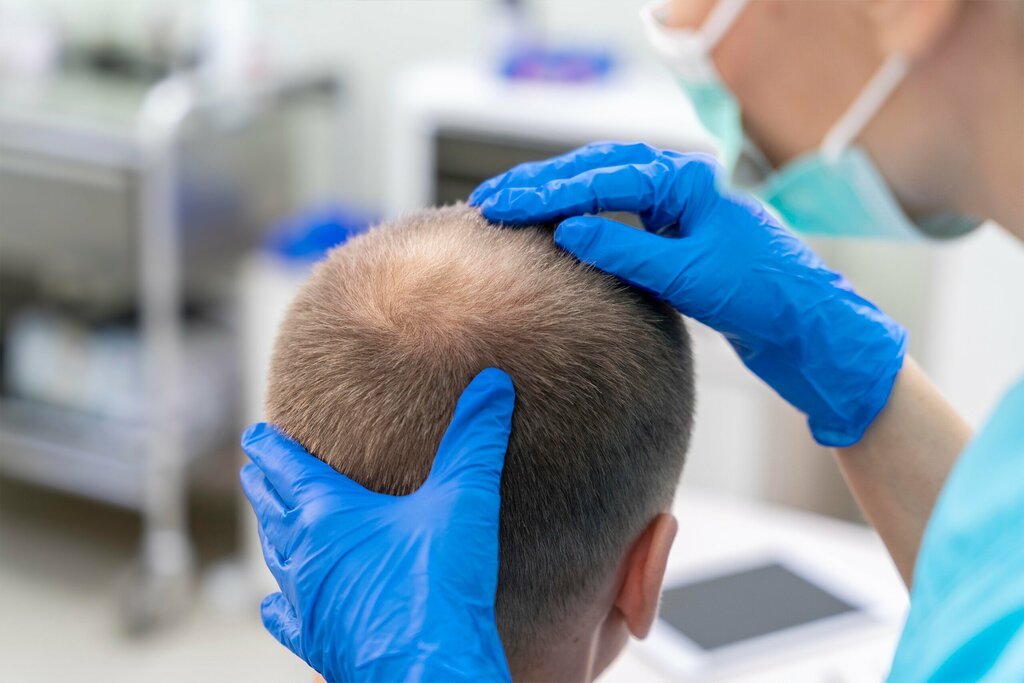
Hair thinning is a common concern that can affect people of different ages and backgrounds. It may appear as a widening part, reduced volume around the crown, a receding hairline, or generally less dense hair across the scalp. These changes can influence personal confidence and make everyday grooming more challenging. For individuals exploring Hair Transplant in Dubai, understanding how hair restoration relates to thinning hair can help clarify whether this option matches their concerns. Suitability depends on the pattern of hair loss, the availability of healthy donor hair, scalp condition, and individual expectations.
Can Hair Transplant Address Diffuse Thinning?
Diffuse thinning refers to a gradual reduction in hair density across a broader area rather than hair loss confined to one specific region. People experiencing this pattern may notice that their scalp becomes more visible under bright lighting or when their hair is styled in a particular direction.
Hair transplantation may be relevant when thinning affects suitable areas and a healthy donor region remains available. However, diffuse thinning requires careful consideration because the hair that could potentially be used as donor hair may also be affected.
The Importance of Donor Hair Density
Donor hair density is an important consideration for people experiencing thinning hair. The donor area, commonly located toward the back and sides of the scalp, may contain hair that is more resistant to certain patterns of hair loss.
Several characteristics can influence donor suitability:
The density of existing hair in the donor region.
The thickness and natural characteristics of individual hair strands.
The stability of the donor area against ongoing thinning.
The overall condition of the scalp and surrounding hair.
Suitability for Different Patterns of Hair Loss
Not every person experiences thinning in the same way. Some individuals develop a receding hairline, while others notice reduced density around the crown or throughout the top of the scalp. These differences matter when considering whether transplantation aligns with their needs.
People with clearly defined areas of hair loss and relatively stable donor hair may be suitable candidates. Those with widespread thinning may require a more cautious assessment because the available donor supply can be limited.
Hair Thickness and Natural Coverage
Individual hair characteristics can influence how much coverage the scalp appears to have. Thick hair strands may create a fuller appearance than finer strands, even when the number of hairs is similar. Hair texture and natural curl can also affect the way density is perceived.
For people with thinning hair, these differences are relevant when establishing realistic expectations. Transplantation may be considered as part of a broader approach to improving the appearance of sparse areas, but it cannot guarantee the same level of coverage for everyone.
Age and the Pattern of Hair Loss
Age can be relevant when assessing thinning hair, but it does not independently determine whether someone is a suitable candidate. Some younger adults experience noticeable hair loss, while others maintain relatively stable hair density for many years.
The pattern and stability of thinning are particularly important considerations. Individuals whose hair loss is still developing may have changing areas of reduced density, which can affect long-term planning. An assessment should consider the broader pattern rather than focusing exclusively on the person's current appearance.
Scalp Health and Existing Hair Conditions
A healthy scalp is an important part of evaluating hair restoration options. Redness, persistent irritation, inflammation, or certain scalp disorders may influence whether transplantation is appropriate.
People considering transplantation should understand the importance of identifying the underlying cause of their hair loss. Thinning associated with temporary shedding or a treatable scalp condition may require a different approach from established pattern hair loss.
Expectations for People With Thinning Hair
Expectations play a significant role in deciding whether hair transplantation is appropriate. People with thinning hair may hope to regain their previous density, restore a particular hairline, or make visible areas of the scalp less noticeable.
Recognizing that natural hair density varies from person to person.
Understanding the limitations of the available donor supply.
Considering existing hair that may continue to thin.
Maintaining realistic expectations about personal appearance.
Hair Transplant and Overall Hair Management
Hair transplantation should be considered within the broader context of hair management. Existing hair may continue to experience thinning independently of any transplanted hair, depending on the underlying condition. This distinction is important for people who already have reduced density across several areas of the scalp.
A comprehensive approach may involve understanding hair-loss patterns, maintaining scalp health, and discussing appropriate management options with a qualified medical professional.
Who May Need Additional Assessment?
Some people with thinning hair may require a more detailed evaluation before deciding whether transplantation is suitable. This can include individuals with extensive diffuse thinning, limited donor density, unexplained hair loss, or active scalp conditions.
An individualized evaluation can help distinguish suitable candidates from those who may need alternative management options or further investigation.
Final Thoughts
Hair transplantation may be a relevant option for selected people with thinning hair, but suitability depends on several individual factors. Donor hair density, the pattern of thinning, scalp health, hair characteristics, age-related considerations, and personal expectations all influence the decision. People with localized hair loss and an adequate supply of suitable donor hair may have different options from those experiencing widespread thinning. Understanding these differences is essential to making an informed choice.
Tags : .....


















