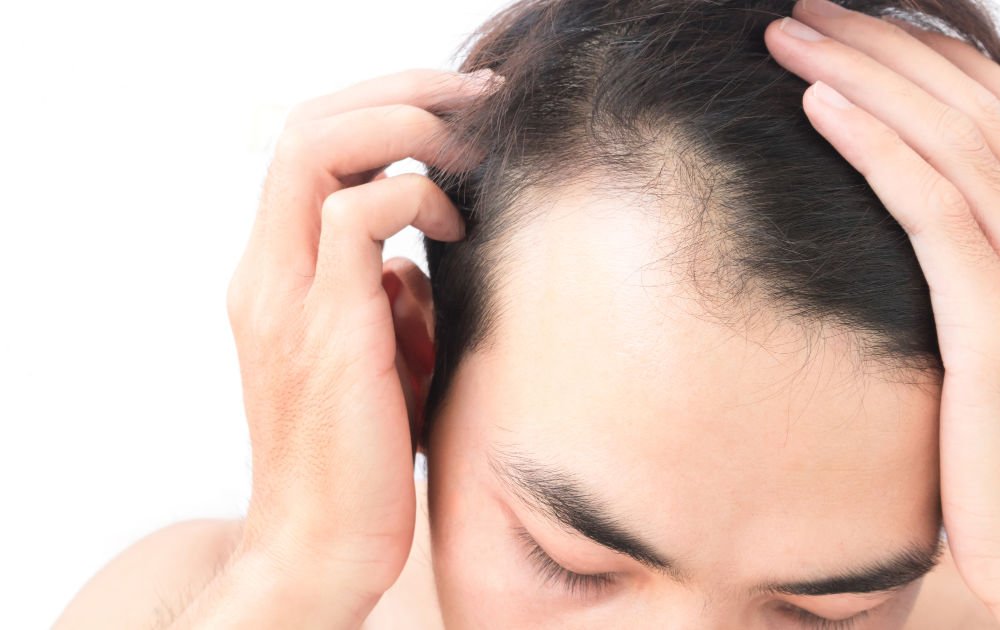
Restoring a natural-looking hairline is one of the most important goals in modern hair restoration, especially for individuals seeking a balanced and youthful appearance. The front hairline defines facial symmetry, expression, and overall aesthetic harmony, making its reconstruction a highly detailed and artistic process. Advanced methods have significantly improved how surgeons and specialists approach this challenge, focusing not only on hair growth but also on realism, direction, and density variation. Today, Hair Transplant in Dubai is widely recognized for its refined approach to recreating hairlines that blend seamlessly with existing hair, ensuring results that appear natural rather than artificial.
Understanding Hairline Reconstruction Principles
A natural hairline is never perfectly straight or uniform. It follows subtle irregularities, micro-patterns, and gradual density changes that make it look authentic. The reconstruction process begins with understanding these natural irregularities and replicating them carefully. Specialists analyze facial proportions, age considerations, and existing hair characteristics before planning the new hairline design. The aim is not to create a “perfect” line but a realistic one that suits the individual’s facial structure and long-term aging pattern.
Designing a Natural Hairline with Facial Harmony
Facial harmony plays a central role in hairline design. A well-planned hairline must complement the forehead size, brow position, and overall symmetry of the face. Instead of using a fixed template, the design is customized to each individual, ensuring that the final result enhances natural beauty rather than altering identity. Slight asymmetry is intentionally incorporated because natural hairlines are never perfectly even. This thoughtful planning ensures that the reconstructed hairline remains convincing from every angle and under different lighting conditions.
Techniques Used to Recreate a Soft, Natural Look
Modern restoration techniques focus on precision and minimal invasiveness to achieve soft and realistic outcomes. The process involves extracting healthy hair units and placing them in a way that mimics natural growth patterns. Single-hair placement is often used at the very front of the hairline to create a feathered and delicate edge. Behind this, slightly denser placement builds depth and volume. The direction, angle, and orientation of each follicle are carefully controlled to match natural growth, ensuring that the result blends effortlessly with surrounding hair.
Role of Graft Placement and Density
Graft placement is one of the most critical factors in achieving a natural-looking hairline. The transition zone, where the forehead meets the hairline, requires meticulous attention. Single grafts are strategically placed in irregular patterns to avoid a straight or artificial appearance. As the density increases slightly behind this zone, the hairline gains a natural gradient effect. This layered approach ensures that the hair does not look abruptly implanted but instead grows in a pattern consistent with natural hair distribution. Proper density control also prevents overpacking, which can lead to an unnatural look.
Factors That Influence Natural Results
Several factors contribute to the success of a natural-looking hairline restoration. Hair texture, thickness, and curl pattern all play a role in how the final result appears. Fine hair requires different placement strategies compared to coarse hair to achieve balanced density. Additionally, scalp condition and donor hair quality influence how well the transplanted follicles adapt and grow. Healing and post-procedure care are equally important, as they determine how smoothly the new hair integrates into the scalp over time. Each of these elements must work together to ensure a seamless and natural finish.
Long-Term Growth and Hairline Evolution
A truly natural hairline is not only about immediate results but also about how it evolves over time. As transplanted hair grows, it gradually matures and blends further with existing strands. Over the months, the hairline becomes softer and more integrated, reflecting natural aging patterns. This long-term progression is carefully anticipated during the planning stage so that the hairline continues to look appropriate as years pass. The goal is to create a result that remains consistent with the individual’s appearance throughout different life stages.
In modern aesthetic restoration, achieving realism requires a combination of precision, artistic design, and technical expertise. Every detail, from the angle of a single graft to the overall density pattern, contributes to the final appearance. When performed with careful planning and advanced techniques, Hair Transplant delivers results that closely replicate a naturally developed hairline, restoring not only hair but also confidence and facial balance.