How Does Erlotinib Treatment Fit Into the NSCLC Treatment Journey?
By Magicine Pharma 27-08-2026 150
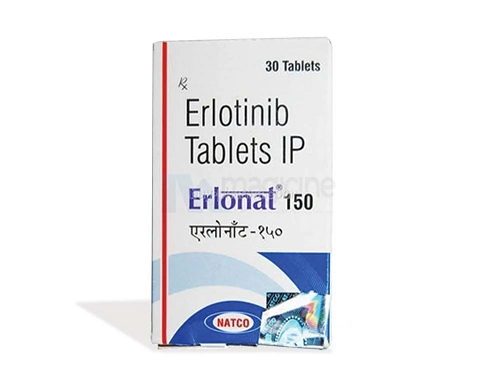
Diagnosis of Non-Small Cell Lung Cancer (NSCLC) can be through multiple phases. Since NSCLC is not just one single cancer, treatment will depend on things like the stage of the cancer, the patient’s overall health, tumor features and particular gene changes in the cancer cells. Patients whose tumors have a certain EGFR mutation can expect targeted therapy to form an integral part of the treatment process. Erlotinib 150mg Tablet is an oral EGFR tyrosine kinase inhibitor used to treat NSCLC patients with particular EGFR mutations. Knowledge of its place within the whole treatment phase will make it easier for the patient to talk to his/her oncologist.
What Is NSCLC?
Non-small cell lung cancer is the most prevalent general type of lung cancer. There are several types of non-small cell lung cancers, including adenocarcinoma, squamous cell carcinoma, and large cell carcinoma. The treatment options for patients with non-small cell lung cancer vary depending on the stage at which the cancer is found, namely whether it is localized, locally advanced, or metastatic.
Why Is Molecular Testing Important in NSCLC?
In many cases of NSCLC, the test that is done is one that looks for certain genetic abnormalities within the tumor itself. An important biomarker is the presence of the EGFR mutation. This EGFR mutation can send growth and division signals to the cancer cells. If the EGFR mutation is found to be present, and the medicine is a good choice of treatment for the patient, then EGFR target treatment may be considered.
How Does Erlotinib Work?
The medicine is a TKI that inhibits EGFR. It works via inhibition of the signal transduction through the epidermal growth factor receptor with particular EGFR mutations. Targeted cancer therapies, unlike chemotherapy, which usually acts against rapidly dividing cells, target specific molecular pathways responsible for the growth of cancer.
Where Does The Medicine Fit Into the Treatment Journey?
Erlotinib’s function will depend on the individual characteristics of a patient’s cancer and his/her treatment regimen. If a patient has EGFR mutation in non-small cell lung cancer (NSCLC), targeted therapy can be used depending on the clinical situation.
Route of treatment: Diagnosis → Cancer testing → Detection of EGFR mutation → Treatment choice → Targeted therapy → Monitoring
How Is the Tablet Taken During The Treatment?
It is a medication that must be taken orally according to prescription only. The dose and schedule of the therapy vary depending on the purpose and individual characteristics of each patient. The patient must not change the dose, stop taking the medication without consulting his oncologist.
What Side Effects Can Occur?
Some adverse effects that might occur in people who take the tablet are:
- Skin rash
- Diarrhea
- Dry or irritated skin
- Loss of appetite
- Tiredness
- Nausea
- Hair and eyelash changes
Adverse effects can be life-threatening at times. Severe or prolonged diarrhea, skin reactions, breathing problems, vision problems, or any symptom that points towards liver problems should be immediately informed to the doctor.
Conclusion
It is likely to play a crucial part in the treatment process for some patients suffering from EGFR-mutated NSCLC. This medication is targeted at EGFR and operates through blocking signals associated with the proliferation of cancer cells. The choice to prescribe the tablet should be dependent on numerous factors like tumor analysis, cancer specifics, prior treatments, patient’s general condition, and opinion of an oncologist. Individuals seeking Erlotinib 150mg Tablet Online should acquire the medicine from a reliable source and under proper medical supervision
FAQs
1. How long will patients be on Erlotinib?
The duration will vary from patient to patient. Physicians may decide to continue the treatment as long as it benefits the patient and does not have any side effects.
2. Does the tablet cause skin rash?
Yes. Skin rash is one of the common side effects associated with the medicine.