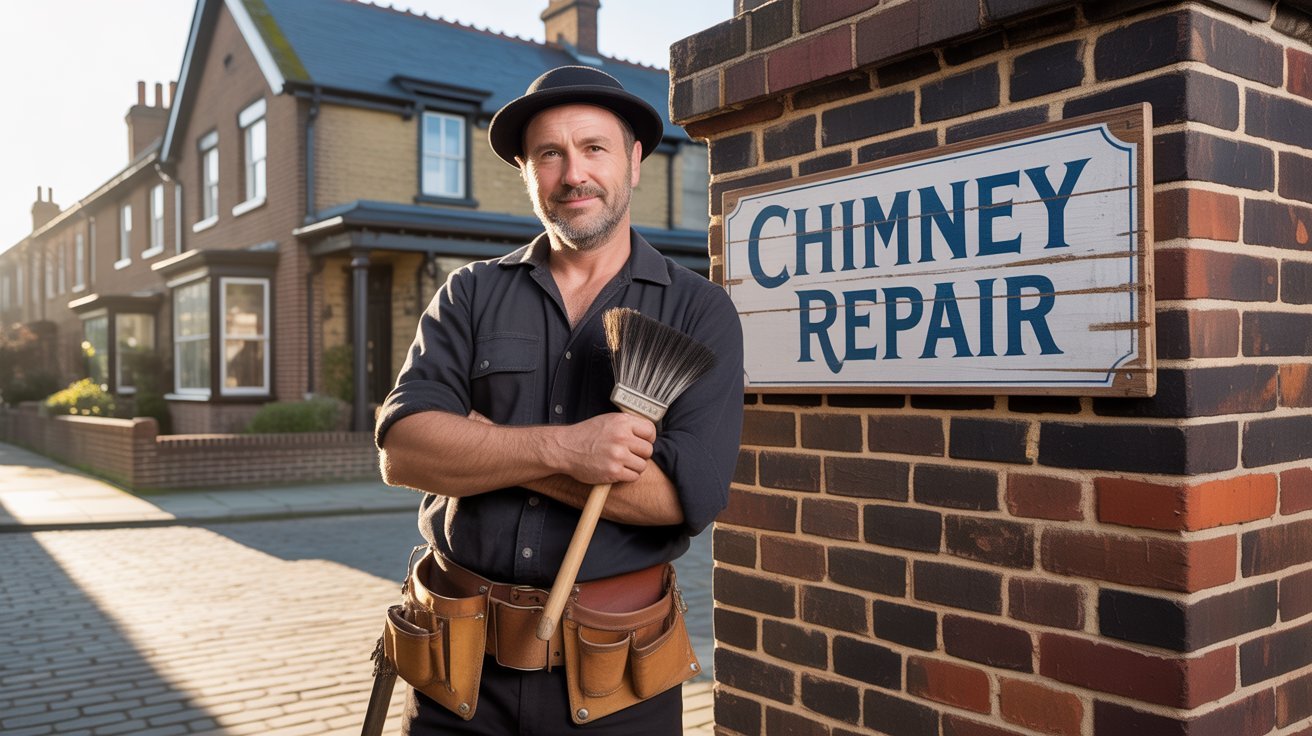
With the increasing importance of residential and commercial fire safety, understanding how regular chimney maintenance can avert devastating incidents is crucial for property owners and managers. Fire hazards in buildings often originate from overlooked or poorly maintained chimneys, making specialized inspections an essential part of preventive care. This article explores how professional chimney inspection in Louisville serves as a critical safeguard against potential fire outbreaks, protecting both lives and assets.
Why It Matters
Chimneys are often subjected to intense conditions, including high heat, fluctuating moisture levels, and the accumulation of flammable residues. Over time, these factors can result in the build-up of creosote—a highly combustible byproduct of burning wood. If left unchecked, this residue significantly increases the risk of chimney fires that can rapidly spread throughout a structure. Furthermore, hidden cracks or blockages within the flue can allow toxic gases or sparks to escape, posing additional safety risks. Regular inspections are essential to identify and address these vulnerabilities before they escalate.
Common Problems
Several issues can compromise the safety and functionality of chimneys. The most prevalent include creosote accumulation, structural deterioration such as cracked masonry or flue tiles, blockages caused by nesting animals or debris, and faulty chimney caps. Each of these problems can restrict proper ventilation, encourage the ignition of flammable substances, or even cause dangerous gases to seep into living spaces. Neglecting to address these concerns may result in costly repairs, health hazards, or catastrophic fires.
Key Benefits
Scheduling periodic chimney inspections delivers a range of benefits beyond fire prevention. Firstly, it ensures compliance with local fire codes and insurance requirements, which can be crucial for both homeowners and commercial property managers. Additionally, inspections help maintain optimal heating efficiency by ensuring unimpeded airflow and proper operation of the fireplace or heating stove. Early detection of wear or damage can also prolong the lifespan of the chimney system, leading to lower long-term maintenance expenses and a safer indoor environment overall.
The Role of “Chimney Inspection In Louisville”
Expert inspections in Louisville are conducted by certified technicians trained to identify even the most subtle indicators of danger. They utilize specialized tools and cameras to thoroughly examine every component, from the firebox to the exterior masonry. As one professional in the field explains:
“A comprehensive chimney inspection is the cornerstone of fire prevention. Skilled inspectors can detect hidden hazards that homeowners may overlook, ensuring every property meets the highest safety standards.”
This meticulous process is complemented by recommendations for immediate repairs or preventive measures, such as chimney cap repair, to shield against water intrusion, animal entry, and debris accumulation that might otherwise go unnoticed until significant damage occurs.
Cost Breakdown
The cost of chimney inspection in Louisville varies depending on the scope of the inspection, the size and condition of the chimney, and whether additional services are needed. The following table provides a general overview of typical pricing:
| Service Type | Average Cost |
|---|---|
| Level 1 Basic Visual Inspection | $85 - $150 |
| Level 2 Video Camera Inspection | $180 - $350 |
| Chimney Cap Repair | $120 - $300 |
| Creosote Removal/Sweeping | $100 - $250 |
Disclaimer: Prices are approximate and subject to change based on specific requirements, chimney condition, and provider rates.
Key Features
Leading chimney inspection services in Louisville are distinguished by several key attributes. They employ certified and experienced technicians who strictly adhere to the National Fire Protection Association (NFPA) standards. State-of-the-art diagnostic equipment, such as video scanning systems, is used to ensure a thorough assessment. Detailed digital reports with photographic evidence and repair recommendations are provided to clients for transparency and informed decision-making. Additionally, top providers offer flexible scheduling and clear communication throughout the inspection process.
Safety
Safety stands at the forefront of every chimney inspection. Technicians are trained to work in accordance with Occupational Safety and Health Administration (OSHA) regulations, utilizing protective gear and equipment to minimize risk during inspections and repairs. Thorough safety checks extend to all connected heating appliances and venting systems, ensuring that both the chimney and the property meet or exceed local safety codes. By identifying fire hazards and recommending prompt remediation, inspections substantially lower the risk of structure fires and carbon monoxide poisoning.
Emergency Services
Prompt response is critical in the event of a suspected chimney fire or sudden structural damage. Many Louisville chimney specialists offer 24/7 emergency services, providing rapid assessment and mitigation to prevent further harm. Emergency teams are equipped to handle immediate repairs, smoke remediation, and safety evaluations, ensuring that homeowners and business operators can restore security and peace of mind quickly following an incident.
FAQs
Q:How often should a chimney be inspected?
A:According to NFPA guidelines, chimneys should be inspected at least once a year, regardless of usage, to ensure safety and efficiency.
Q;What are the signs that my chimney needs inspection?
A:Common indicators include visible soot buildup, foul odors, smoke backing up into the room, or water stains on the ceiling near the chimney.
Q:Is chimney inspection required for gas fireplaces?
A:Yes, inspections are recommended for all types of fireplaces, including gas, to check for blockages, leaks, or structural issues.
Q:Can I inspect my chimney myself?
A: While basic visual checks are useful, only a certified professional can identify hidden or serious hazards and ensure thorough compliance with safety codes.
Conclusion
Chimney inspection in Louisville is a vital component of any fire prevention strategy, offering comprehensive protection for property and occupants alike. By addressing hidden risks, ensuring code compliance, and providing expert guidance on repairs such as cap replacement, these inspections dramatically reduce the likelihood of fire hazards. Investing in regular, professional chimney care is a proactive measure that safeguards structural integrity, enhances indoor air quality, and upholds community safety standards.