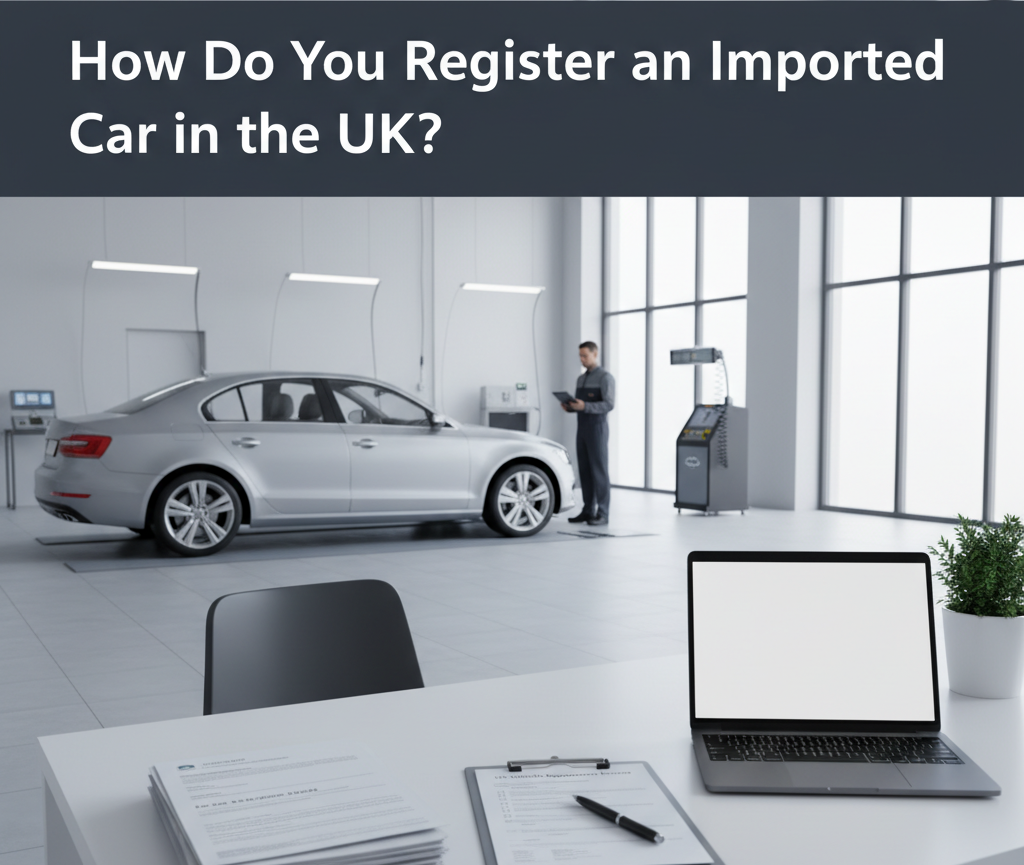
Importing a vehicle into the UK has become increasingly popular as many buyers look for better deals, rare models, or vehicles with unique specifications. However, bringing a car into the country is only the first step. The most important task after import is making sure the vehicle is legally registered so it can be driven on UK roads.
Many people ask the same question: How do you register an imported car in the UK? The process may seem complicated at first, especially for first time importers. It involves several checks, documents, and approvals before the vehicle can receive a UK registration number.
This guide explains the complete process in simple terms so you can understand what is required and how to complete the registration smoothly. With the right preparation and expert support from Dvlaadvice, registering an imported vehicle becomes far easier.
Why Imported Car Registration Is Important
Before any imported vehicle can legally drive on UK roads, it must be registered with the relevant authorities. Registration confirms that the car meets UK safety, environmental, and compliance standards.
Without proper registration:
- The vehicle cannot receive a UK number plate
- Insurance may not be valid
- The car cannot legally be driven on public roads
- The vehicle may face penalties or enforcement action
The registration process ensures that every imported vehicle meets the same standards as cars originally sold in the UK.
Step One: Notify the Arrival of the Vehicle
When a vehicle arrives in the UK, the first step is notifying the authorities that it has been imported. This is typically done through the NOVA system, which stands for Notification of Vehicle Arrivals.
The NOVA declaration confirms that any applicable taxes have been paid. In some cases, VAT or other charges may apply depending on where the vehicle was imported from.
If this step is not completed, the registration process cannot move forward. This is why it is important to complete the notification as soon as the vehicle arrives in the country.
Many vehicle owners choose professional assistance from Dvlaadvice to handle NOVA submissions accurately and avoid delays.
Step Two: Check Vehicle Compliance
Before an imported car can be registered, it must meet UK compliance standards. This may involve specific tests or certification depending on the type and origin of the vehicle.
Some vehicles already meet UK standards, while others may require additional approval.
Common compliance routes include:
Individual Vehicle Approval
This inspection ensures that vehicles not originally built for the UK market meet safety and environmental regulations. The test checks areas such as lighting, emissions, braking systems, and other safety components.
Mutual Recognition
Certain vehicles imported from compatible markets may qualify for simplified approval if they already meet similar regulatory standards.
Certificate of Conformity
Some vehicles come with a certificate confirming they meet European or UK standards. This can simplify the approval process and reduce the number of required inspections.
Understanding which compliance route applies can save significant time and effort.
Step Three: Prepare the Required Documents
Proper documentation is essential when registering an imported vehicle. Missing or incorrect paperwork is one of the most common causes of registration delays.
Typical documents required include:
- Completed vehicle registration application
- Proof of identity
- Proof of address
- Vehicle purchase invoice or bill of sale
- Foreign registration documents
- Certificate of conformity if available
- Proof of NOVA declaration
- Insurance certificate
Some vehicles may also require evidence of modifications to meet UK regulations.
Professional services such as Dvlaadvice help ensure that all documentation is complete before submission, reducing the risk of rejection.
Step Four: Vehicle Inspection and Testing
Depending on the vehicle’s age and type, inspections may be required before registration approval.
Common inspections include:
MOT Test
If the vehicle meets the age requirements, an MOT test may be required to confirm roadworthiness.
IVA Test
An Individual Vehicle Approval inspection may be required for certain imported vehicles that need additional compliance verification.
During these tests, inspectors check:
- Vehicle lighting and signals
- Emissions standards
- Braking performance
- Structural safety
- Overall roadworthiness
Passing these inspections is a critical step before the registration application can proceed.
Step Five: Submit the Registration Application
Once all documents and approvals are ready, the next step is submitting the registration application.
This involves completing the appropriate registration forms and sending them along with supporting documents.
The application package generally includes:
- Completed registration forms
- Identity verification
- Compliance certificates
- NOVA confirmation
- Inspection results if required
Once submitted, the application is reviewed by the registration authority. If everything is correct, the vehicle will be assigned a UK registration number.
Many importers choose Dvlaadvice to manage the entire submission process to avoid mistakes and speed up approval.
Step Six: Receive the UK Registration Number
After the application is approved, the vehicle receives an official UK registration number.
At this stage, the owner can:
- Purchase number plates
- Tax the vehicle
- Drive the car legally on UK roads
The registration certificate is issued to confirm ownership and registration details.
Keeping this document safe is important as it will be required for future vehicle transactions or updates.
Common Challenges When Registering Imported Vehicles
Although the process is straightforward in theory, many importers encounter difficulties due to unfamiliar regulations or missing documentation.
Common issues include:
Incomplete Paperwork
Missing documents are one of the main reasons applications are delayed.
Incorrect Vehicle Compliance
Some vehicles require modifications to meet UK lighting or safety standards.
NOVA Submission Errors
Incorrect NOVA submissions can prevent the registration application from progressing.
Inspection Failures
Vehicles that fail compliance or roadworthiness tests must be repaired before approval.
Working with experienced professionals such as Dvlaadvice can help avoid these common problems.
Benefits of Using a Professional Import Registration Service
Registering an imported vehicle involves multiple steps, regulations, and documents. Handling everything alone can take time and cause unnecessary stress.
Using a specialist service provides several advantages.
Faster Processing
Experts understand the requirements and prepare applications correctly the first time.
Reduced Risk of Rejection
Professional review ensures documents are accurate and complete.
Compliance Guidance
Specialists help identify whether inspections or modifications are required.
Complete Support
From NOVA notification to final registration approval, expert services guide vehicle owners through every stage.
For many importers, this support makes the process significantly smoother.
Tips for a Smooth Imported Car Registration Process
If you plan to import and register a vehicle in the UK, these tips can help simplify the process.
Keep All Purchase Documents
Always retain the invoice, payment confirmation, and previous registration documents.
Confirm Compliance Before Importing
Research whether the vehicle meets UK standards before purchasing it.
Complete NOVA Notification Quickly
Submitting the NOVA declaration early prevents registration delays.
Prepare Documentation in Advance
Organizing paperwork before submitting the application speeds up the process.
Seek Professional Assistance
Working with experienced specialists like Dvlaadvice can prevent common errors and help ensure successful registration.
Frequently Asked Questions
How long does it take to register an imported car in the UK?
The processing time varies depending on documentation, inspections, and compliance checks. When applications are complete and accurate, the process can move faster.
Do all imported cars need an inspection?
Not every vehicle requires the same inspection. Some vehicles need an IVA test while others may only require an MOT depending on their specifications and documentation.
What happens if my imported vehicle fails inspection?
If a vehicle fails inspection, necessary repairs or modifications must be completed before it can be approved for registration.
Can I drive my imported car before registration?
Generally, a vehicle must be registered and insured before being driven legally on public roads.
What documents are required for registration?
Common documents include proof of identity, proof of address, foreign vehicle documents, purchase invoice, NOVA confirmation, and compliance certificates.
Can a professional service help with imported vehicle registration?
Yes. Services like Dvlaadvice assist with documentation, compliance guidance, NOVA submission, and registration applications to simplify the process for vehicle owners.
Final Thoughts
Importing a car into the UK can be an exciting opportunity to own a unique or better value vehicle. However, proper registration is essential before the car can legally be used on UK roads.
Understanding the steps involved makes the process much easier. From NOVA notification to compliance checks and final registration approval, each stage ensures that imported vehicles meet UK regulations.
For many vehicle owners, professional support from Dvlaadvice provides peace of mind and helps avoid delays or mistakes. With the right preparation and expert guidance, registering an imported car can be a straightforward and efficient process.