How Do Specialists Treat Patchy Hair Loss Caused by Alopecia Areata?
By Muhammad Faizan 23-04-2026 147
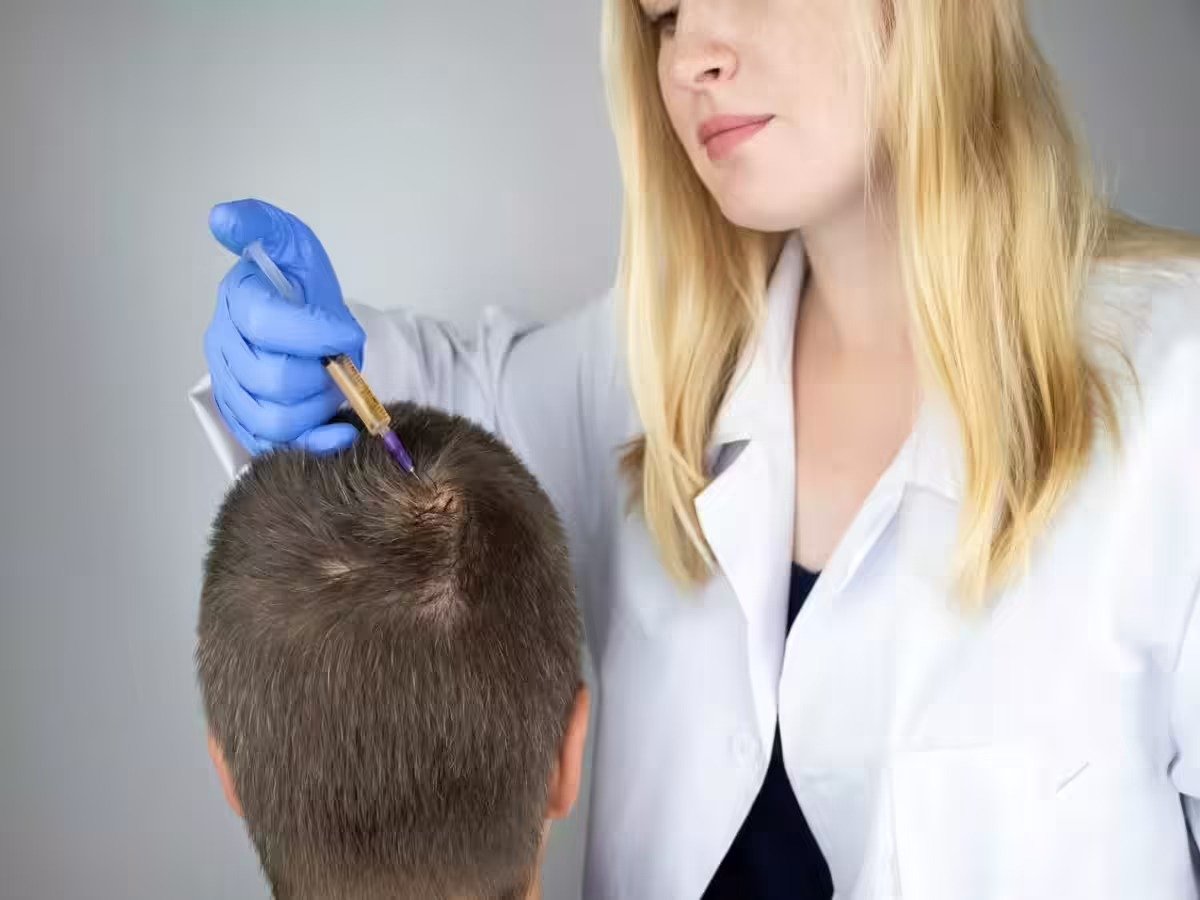
Hair loss that appears in small, uneven patches can be emotionally distressing and medically complex, especially when it is linked to an autoimmune condition like alopecia areata. This condition causes the immune system to mistakenly attack hair follicles, leading to sudden and unpredictable shedding. While the pattern can vary from mild patches to more extensive hair loss, modern dermatological approaches offer structured ways to manage it effectively. Today, many individuals seek Alopecia Areata Treatment in Dubai to access advanced diagnostic and therapeutic strategies that focus on controlling inflammation, supporting regrowth, and minimizing recurrence while restoring confidence in appearance.
Understanding Alopecia Areata and Patchy Hair Loss
Alopecia areata is characterized by round or oval patches of hair loss that can appear on the scalp, eyebrows, beard, or other hair-bearing areas. Unlike genetic hair thinning, this condition is not caused by aging or hormonal changes but by immune system dysregulation. Specialists recognize that its presentation can be unpredictable, with some patients experiencing spontaneous regrowth while others face recurring cycles of loss.
Patchy hair loss may also evolve over time. In some cases, small areas remain stable, while in others, multiple patches merge into larger regions of thinning. Understanding this variability is essential for designing a treatment plan that adapts to the individual’s progression and response.
Underlying Causes and Immune Response
The primary mechanism behind alopecia areata is autoimmune activity. The body’s immune cells target healthy hair follicles, mistakenly identifying them as threats. This interrupts the normal growth cycle and pushes follicles into a resting phase, resulting in visible shedding.
Genetic predisposition often plays a role, meaning individuals with a family history of autoimmune conditions may be more susceptible. Environmental triggers such as stress, illness, or hormonal fluctuations can also contribute to flare-ups. Specialists emphasize that while the exact cause is not always identifiable, controlling immune response is central to managing the condition effectively.
Inflammation around hair follicles is another key factor. When inflammation persists, follicles remain inactive for longer periods, delaying regrowth. This is why early intervention is considered important in limiting long-term damage.
Diagnostic Approach Used by Specialists
Accurate diagnosis is essential before initiating treatment. Specialists typically begin with a detailed examination of the scalp and affected areas to identify characteristic patterns of patchy hair loss. Dermoscopic evaluation helps reveal subtle signs such as exclamation mark hairs, which are often associated with alopecia areata.
Medical history also plays a crucial role. Information about recent stress, illnesses, medications, or family history helps narrow down possible triggers. In some cases, blood tests may be recommended to rule out other autoimmune or thyroid-related conditions that can mimic similar symptoms.
A biopsy is rarely required but may be used in uncertain cases to confirm inflammation around the follicles. This structured diagnostic process ensures that treatment is tailored accurately to the underlying cause rather than just the visible symptoms.
Medical Treatment Options for Patchy Hair Loss
Treatment for alopecia areata focuses on calming the immune response and encouraging hair regrowth. Topical corticosteroids are commonly used to reduce inflammation directly at the affected sites. These help suppress immune activity around hair follicles and create a more favorable environment for regrowth.
In more persistent cases, injectable corticosteroids may be used to target deeper inflammation. These are often applied directly into affected patches to stimulate localized recovery.
Topical immunotherapy is another approach used by specialists. It works by gently modifying the immune reaction on the scalp, encouraging hair follicles to re-enter the growth phase. Additionally, non-steroidal topical agents may be used to support long-term management, especially in sensitive areas.
Oral medications may be considered in more extensive cases, particularly when hair loss is rapidly progressing. These treatments are carefully monitored to balance effectiveness with safety.
Regenerative and Adjunct Therapies
Beyond traditional medical treatments, regenerative approaches are increasingly being integrated into alopecia areata management. These methods aim to stimulate dormant follicles and enhance natural healing responses.
Platelet-based therapies are one such option, using growth factors derived from the patient’s own blood to support follicle activity. These growth factors help improve circulation and cellular repair in affected areas.
Low-level light therapy is another supportive method that helps improve scalp health by increasing blood flow and reducing inflammation. While results vary, many specialists use it as part of a combined treatment plan.
Nutritional support also plays a role, as deficiencies in vitamins and minerals can weaken hair structure. A balanced internal environment helps improve the body’s ability to respond to treatment.
Psychological Support and Lifestyle Adjustments
Patchy hair loss can significantly affect emotional well-being, especially when it appears suddenly or in visible areas. Stress management is therefore an important part of treatment. Chronic stress can worsen immune responses, potentially triggering new patches or slowing regrowth.
Specialists often recommend lifestyle adjustments that support overall health, including balanced nutrition, adequate sleep, and stress reduction techniques. Counseling or support groups may also help individuals cope with the psychological impact of hair loss.
Consistency in care is essential, as alopecia areata can be unpredictable. Regular follow-ups allow specialists to adjust treatments based on response and progression.
Long-Term Management and Regrowth Expectations
Alopecia areata does not follow a fixed pattern, which means long-term management is focused on control rather than a permanent cure. Some individuals experience full regrowth, while others may have intermittent flare-ups over time. The goal of treatment is to reduce severity, shorten active phases, and encourage sustained follicle recovery.
Early intervention often leads to better outcomes, as follicles that are not permanently damaged can resume growth more effectively. Combining medical treatment with supportive therapies improves the likelihood of visible improvement.
Regular monitoring helps identify changes in pattern or severity, allowing timely adjustments to the treatment plan. Over time, many patients achieve significant regrowth and stabilization when care is consistent and well-structured.
For individuals seeking structured care and modern therapeutic options, Alopecia Areata Treatment continues to represent an evolving approach that integrates medical precision, regenerative support, and long-term scalp health management, helping patients navigate patchy hair loss with greater control and confidence.