Speed and accuracy don’t usually get along. One pushes fast, the other wants control. But in modern manufacturing, you don’t really get to choose anymore, you need both. That’s where CNC precision turned parts come in. Not flashy, not something people talk about outside the shop floor, but yeah… they carry a lot of weight. The short answer is this: CNC turning works because it removes human inconsistency and replaces it with repeatable control. Sounds simple. It’s not. There’s a whole stack of tech, tooling, and process discipline behind it. Let’s break it down a bit, without dressing it up too much.
The Core Idea: Controlled Motion at High Speed
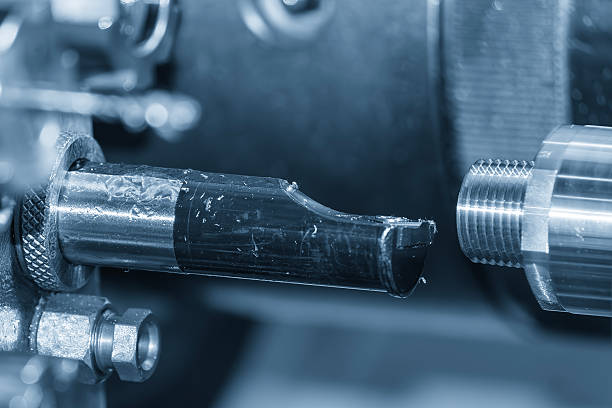
At its heart, CNC turning is about controlled movement. The machine spins the material, tools come in, and cuts happen fast. Really fast sometimes. But speed alone would just wreck parts if it weren’t guided properly. That’s where programmed paths come in. Every movement is calculated. Every cut has a purpose. You’re not “guessing” your way through metal like old-school machining sometimes felt. Truth is, once the program is dialed in, the machine just repeats it. Over and over. Same motion. Same cut. Same result. That’s how you start getting both speed and accuracy without sacrificing one for the other.
Why CNC Turning Beats Manual Work (No Contest, Honestly)
Let’s be real. Manual machining has its place, sure. But when you’re chasing tight tolerances and trying to hit deadlines? It struggles. Humans get tired. Hands slip. Measurements drift. It happens. CNC doesn’t have that problem. Once it’s set, it doesn’t care if it’s the first part or the thousandth. And yeah, setup takes time. Programming too. But after that, production ramps up fast. That’s the trade-off, and it’s usually worth it. You invest upfront, then you gain speed without losing precision later. That’s the game.
Tooling Makes or Breaks Everything
People talk about machines a lot. Fair. But tooling? That’s where things get interesting. A sharp, well-chosen cutting tool can slice clean, reduce vibration, and maintain dimensional accuracy even at higher speeds. A bad tool, or even a worn one… ruins everything. Surface finish drops, tolerances drift, scrap piles up. Shops that get this right don’t just run machines, they manage tooling like it’s a system. Tool life tracking, proper coatings, and the right geometry. Small stuff on paper, but it adds up fast in production.
Automation and Repeatability: The Real Advantage
Here’s where CNC really pulls ahead. It’s not just about making one perfect part. It’s about making thousands that look identical. Automation plays a huge role here. Bar feeders, robotic arms, and in-process measurement, these keep the cycle moving without stopping to check every piece manually. And yeah, machines can check themselves now. Not perfectly, but good enough to catch drift early. That’s how you maintain accuracy even while pushing for faster cycle times. It’s not magic, just smart integration.
Where Swiss Style CNC Machining Fits In
Now, when parts get smaller or more complex, things shift a bit. This is where swiss style cnc machining comes into play. These machines support the workpiece closer to the cutting area, which reduces deflection. That might sound minor, but it’s huge for precision. Less movement means tighter tolerances, cleaner cuts. And they’re built for speed, too. Multiple tools working at once, overlapping operations. You’re basically cutting time without cutting corners. That’s why industries like medical or electronics lean on this approach so heavily. Tiny parts, high stakes. No room for error.
Programming: The Quiet Backbone
Nobody really talks about programming enough. But honestly, it’s where most of the accuracy comes from. A good program accounts for tool paths, speeds, feeds, material behavior… even heat buildup. It’s not just “move tool from A to B.” It’s more like… managing a chain reaction of cuts so nothing goes off track. Bad programming? You’ll see it immediately. Rough finishes, inconsistent sizes, and tool wear are happening too fast. The best machinists today aren’t just operators, they think like programmers. Or they work closely with someone who does. That’s how you keep both speed and precision in check.
Material Behavior Changes the Game
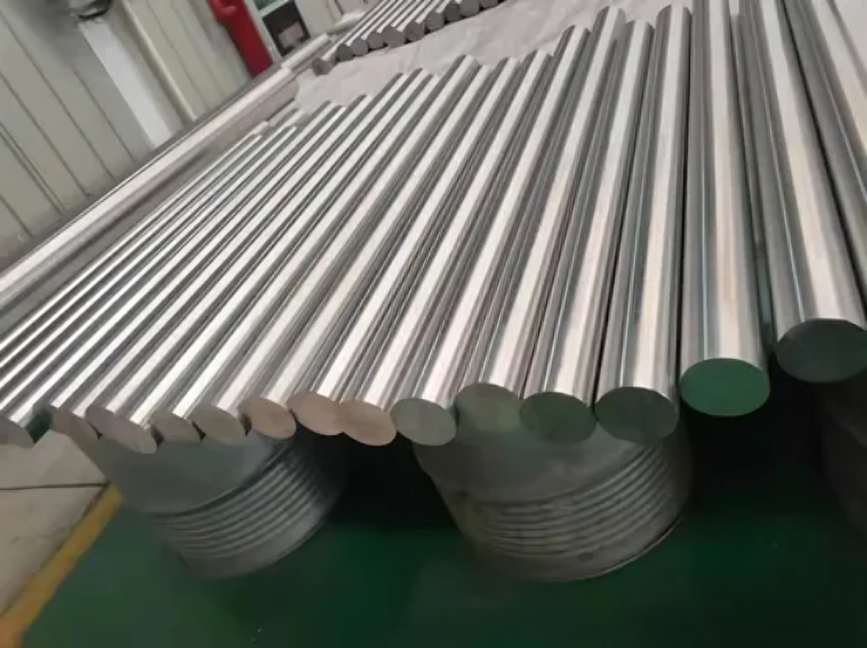
Not all materials behave the same. That’s obvious, but it matters more than people expect. Aluminum cuts easily. Steel, not so much. Titanium? That’s a different beast entirely. Heat builds up, tools wear faster, and suddenly your “fast” process slows down unless you adapt. So shops tweak things. Speeds change. Coolants come into play. Tool paths get adjusted. It’s a constant balancing act. The truth is, speed and accuracy aren’t fixed targets, they shift depending on what you’re cutting. Good setups adjust for that. Bad ones just hope for the best.
Tolerances: Where Accuracy Actually Shows
Accuracy sounds nice in theory. But it shows up in tolerances. That’s the real test. Can you hold ±0.01 mm consistently? Across a full batch? That’s where CNC-precision turned parts prove their value. And it’s not just about hitting numbers once. It’s about maintaining them while running fast. No constant stopping. No rework loops. Just steady production. That’s harder than it sounds. Machines help, sure. But process control, how everything ties together, is what keeps tolerances tight over time.
Conclusion
So yeah, combining speed with accuracy isn’t some lucky outcome. It’s built into the way CNC turning works. Controlled motion, solid programming, proper tooling, and a bit of real-world adjustment when things shift. The short version? You remove guesswork, you repeat what works, and you refine the process until it runs clean. That’s why CNC-precision turned parts are such a big deal in modern manufacturing. They don’t just meet specs, they do it quickly, consistently, and without constant babysitting.
Tags : cnc precision turned parts