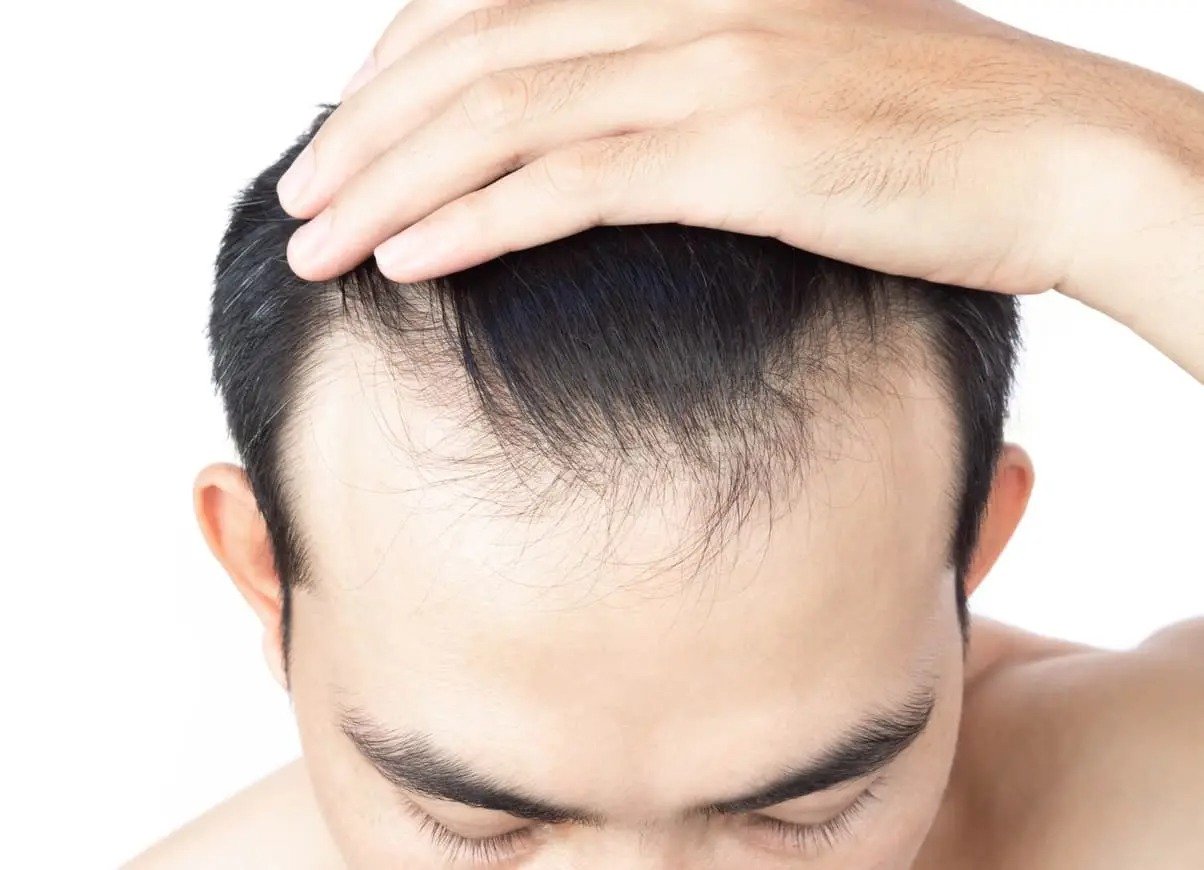
Hair restoration has evolved into a highly refined cosmetic procedure focused on achieving natural density, long-lasting growth, and healthy follicle survival. One of the most important factors influencing successful outcomes is the survival rate of transplanted grafts. Clinics that prioritize advanced techniques, precision handling, and personalized treatment planning often achieve more reliable and satisfying results. Many individuals exploring Hair Transplant in Dubai are increasingly interested in understanding how modern clinics protect delicate grafts throughout every stage of the procedure to maximize hair growth and create natural-looking transformations.
Understanding Hair Graft Survival
Hair graft survival refers to the percentage of transplanted follicles that successfully establish themselves in the recipient area and continue producing healthy hair growth. Since each graft contains living follicular units, careful preservation is essential from the moment the grafts are extracted until they are implanted.
Successful graft survival depends on multiple factors, including hydration, temperature control, implantation technique, scalp health, and post-procedure care. Modern clinics use specialized protocols to reduce trauma and maintain follicle vitality throughout the entire process.
Advanced Extraction Techniques Protect Follicles
One of the key ways clinics improve graft survival is through refined extraction methods. Modern transplant procedures focus on minimizing damage to the follicular units during harvesting. Precision tools are used to extract follicles while protecting surrounding tissue and maintaining the integrity of the hair roots.
Gentle extraction reduces the risk of transection, which occurs when follicles are accidentally damaged during removal. Lower transection rates contribute directly to stronger graft survival and healthier long-term hair growth.
Clinics also carefully evaluate donor areas before extraction to ensure healthy follicles are selected for transplantation. This strategic planning helps preserve donor density while maximizing the quality of transplanted grafts.
Proper Graft Hydration Is Essential
Hair grafts are extremely delicate once removed from the scalp. Dehydration can significantly reduce follicle viability, which is why clinics place strong emphasis on maintaining hydration throughout the procedure.
Specialized storage solutions are often used to keep grafts nourished and protected before implantation. These solutions help maintain the cellular structure of the follicles and reduce stress during the transplant process.
Temperature-controlled environments further support graft preservation. By carefully monitoring storage conditions, clinics create an optimal setting that increases the chances of successful follicle survival after implantation.
Skilled Implantation Techniques Improve Results
The implantation stage plays a major role in determining transplant success. Clinics that focus on meticulous placement techniques often achieve better graft retention and more natural-looking density.
Experienced teams carefully create recipient sites at the proper angle, direction, and depth to mimic natural hair growth patterns. Proper implantation minimizes trauma to the scalp and prevents unnecessary pressure on the grafts.
Dense packing techniques may also be used strategically to enhance fullness while maintaining adequate blood supply to the transplanted follicles. Balanced spacing allows grafts to heal effectively and receive the nutrients needed for growth.
Reduced Graft Out-of-Body Time
The amount of time grafts remain outside the body directly affects survival rates. Clinics improve outcomes by streamlining the procedure to minimize the duration follicles spend outside the scalp.
Efficient coordination between extraction and implantation teams helps reduce delays. Some clinics even use simultaneous implantation methods where grafts are placed shortly after extraction to maintain maximum viability.
Shorter out-of-body times decrease follicle stress and support stronger attachment once implanted into the recipient area.
Personalized Treatment Planning
Every scalp has unique characteristics, including hair texture, density, skin quality, and blood circulation. Clinics improve graft survival by tailoring procedures to individual patient needs rather than using a one-size-fits-all approach.
Comprehensive scalp assessments help determine the best extraction and implantation strategy for each patient. Factors such as donor strength, hair caliber, and recipient area condition all influence procedural planning.
Customized treatment plans also help avoid overharvesting and ensure proper distribution of grafts for balanced, natural coverage.
Maintaining a Healthy Scalp Environment
A healthy scalp is essential for successful follicle survival. Clinics often evaluate scalp conditions before the procedure to identify issues that may interfere with healing or hair growth.
Excess oil production, inflammation, dandruff, or scalp sensitivity can impact graft retention if not properly managed. Preparing the scalp beforehand creates a healthier environment for transplanted follicles to establish themselves successfully.
Post-procedure scalp care is equally important. Clinics typically provide detailed aftercare guidance to protect grafts during the critical healing phase and encourage optimal growth.
Gentle Handling During the Procedure
Hair grafts are highly sensitive to physical trauma. Clinics improve survival rates by training teams to handle follicles with exceptional care throughout the transplant process.
Using delicate instruments and minimizing unnecessary contact helps preserve the structural integrity of each graft. Proper handling techniques prevent crushing, bending, or drying of the follicles before implantation.
Attention to detail during every stage of the procedure contributes to healthier graft retention and more consistent growth results.
Technology Enhances Precision
Modern technology has significantly improved hair transplant accuracy and efficiency. Advanced magnification systems, precision implantation tools, and digital planning methods allow clinics to work with greater control during procedures.
Enhanced visualization helps teams identify healthy grafts and place them more accurately within the scalp. Precision technology also reduces tissue trauma and improves the overall consistency of graft placement.
These advancements support higher survival rates while helping patients achieve natural hairlines and improved density.
Post-Transplant Care Supports Long-Term Growth
The recovery phase is critical for protecting newly implanted grafts. Clinics that provide comprehensive aftercare instructions help patients maintain better results during the healing process.
Patients are typically guided on scalp cleansing, sleeping positions, sun protection, and activity restrictions during the first few weeks after treatment. Proper aftercare reduces the risk of accidental graft dislodgement and supports healthy healing.
Follow-up evaluations also allow clinics to monitor progress and ensure transplanted follicles are growing successfully over time.
Achieving Natural and Lasting Hair Restoration
Successful hair transplantation depends on far more than simply moving follicles from one area to another. High graft survival rates are achieved through a combination of advanced techniques, careful planning, gentle handling, and patient-focused care. From extraction to implantation and recovery, every stage of the process contributes to the final outcome. Individuals considering Hair Transplant often seek clinics that prioritize graft preservation because healthier follicles lead to denser growth, natural hairlines, and long-lasting confidence-enhancing results.