How Clinics Improve Hair Graft Survival for Successful Hair Restoration
By Muhammad Faizan 25-05-2026 85
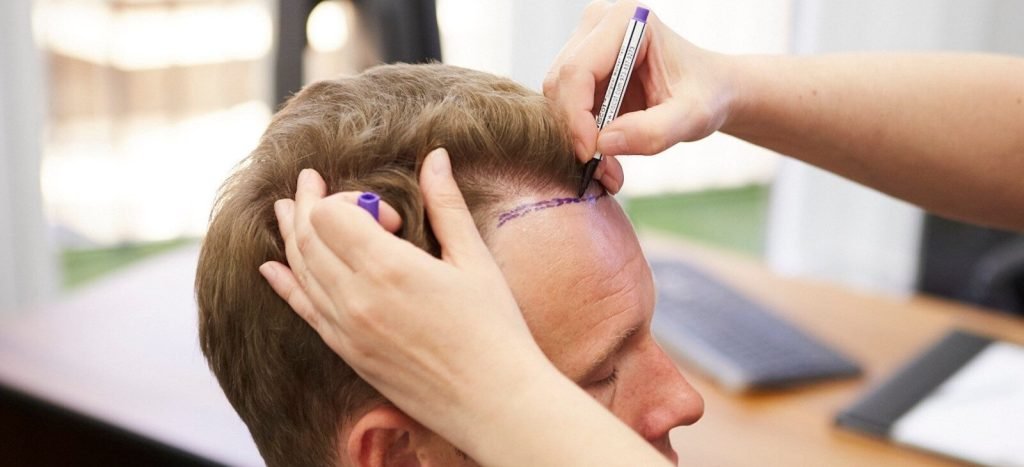
Hair restoration has evolved into a highly refined procedure focused not only on creating natural-looking results but also on maximizing the survival rate of transplanted grafts. Patients considering Hair Transplant in Dubai often seek long-lasting density, healthy regrowth, and a smooth recovery experience. Modern clinics now rely on advanced techniques, precise handling methods, and personalized treatment planning to ensure every graft has the highest possible chance of survival. The success of hair restoration depends heavily on how carefully follicles are extracted, preserved, implanted, and protected during every stage of the procedure.
Understanding Hair Graft Survival
Hair graft survival refers to the ability of transplanted follicles to remain healthy and continue producing natural hair growth after implantation. Each graft contains delicate follicular units that can become damaged through dehydration, improper handling, or excessive trauma. Clinics that prioritize graft survival focus on maintaining ideal conditions from the moment follicles are extracted until they are implanted into the scalp.
Strong graft survival leads to fuller coverage, improved density, and more natural outcomes. It also minimizes the need for additional procedures and helps patients achieve consistent growth patterns over time.
Advanced Extraction Techniques
One of the key ways clinics improve graft survival is through modern extraction methods. Precision tools and refined harvesting techniques help reduce trauma to the follicles during removal. Clinics use specialized instruments designed to carefully isolate grafts without damaging surrounding tissue.
Advanced extraction systems allow practitioners to remove healthy follicles while preserving their structure and integrity. Minimizing physical stress during extraction plays a major role in ensuring transplanted hair can successfully adapt to its new location.
Clinics also carefully assess donor areas before beginning treatment. Selecting strong and healthy follicles increases the likelihood of successful regrowth and ensures the donor region maintains a balanced appearance after extraction.
Proper Graft Hydration and Preservation
Hair follicles are highly sensitive once removed from the scalp. Exposure to air, heat, or dry conditions can significantly reduce survival rates. To prevent this, clinics place extracted grafts into specially prepared preservation solutions that help maintain moisture and cellular health.
Temperature-controlled storage systems are commonly used to protect follicles throughout the procedure. These preservation techniques help reduce stress on the grafts and maintain their viability until implantation.
Careful timing is equally important. Clinics work efficiently to shorten the duration grafts remain outside the body. Reduced exposure time increases the chances of successful integration and long-term hair growth.
Skilled Implantation Methods
Implantation is one of the most critical phases of hair restoration. Even healthy grafts can fail if inserted incorrectly or exposed to excessive pressure during placement. Clinics improve survival rates by using highly controlled implantation techniques that protect the follicles during insertion.
Precise angle placement ensures hair grows naturally and blends seamlessly with existing strands. Proper spacing between grafts also improves blood circulation, allowing follicles to receive the nutrients and oxygen needed for growth.
Modern implantation tools are designed to minimize trauma to the scalp while creating ideal placement sites for each graft. This careful approach supports healing and encourages strong follicle attachment.
Customized Treatment Planning
Every patient experiences hair loss differently, which is why personalized planning plays a major role in graft survival. Clinics conduct detailed scalp evaluations to determine hair density, scalp condition, donor strength, and growth patterns before treatment begins.
Customized planning allows specialists to determine the optimal number of grafts and the best placement strategy for natural coverage. Overcrowding grafts or using weak donor follicles can reduce survival rates, so clinics focus on creating balanced and sustainable results.
A personalized approach also helps ensure the scalp remains healthy throughout the procedure. Healthy scalp conditions improve blood flow and support the healing process after transplantation.
Maintaining a Sterile Clinical Environment
A clean and controlled clinical environment is essential for successful hair restoration. Clinics follow strict hygiene standards to reduce the risk of contamination and infection, both of which can negatively impact graft survival.
Sterile equipment, organized surgical protocols, and controlled operating conditions help create a safer environment for both the patient and the transplanted follicles. Maintaining cleanliness throughout the procedure protects the scalp and encourages healthy healing.
Modern clinics also use advanced lighting and magnification systems to improve visibility during extraction and implantation. Enhanced precision helps reduce unnecessary follicle handling and improves overall accuracy.
Importance of Post-Procedure Care
The success of hair restoration does not end once implantation is complete. Post-procedure care plays a major role in helping grafts stabilize and grow successfully. Clinics provide patients with detailed aftercare instructions designed to protect newly implanted follicles during the early healing phase.
Patients are typically advised to avoid excessive touching, pressure, or strenuous activity that could disturb the grafts. Gentle scalp care routines help maintain cleanliness while supporting proper healing.
Hydration, scalp protection, and following recovery guidelines carefully can significantly improve final results. Clinics often schedule follow-up evaluations to monitor healing progress and ensure grafts are growing as expected.
Technological Innovations Supporting Better Results
Technology continues to improve the accuracy and efficiency of hair restoration procedures. Modern clinics use digital imaging systems, high-definition scalp analysis, and precision implantation tools to enhance treatment outcomes.
These innovations allow for better follicle selection, improved graft handling, and more accurate placement techniques. Advanced technology also helps reduce procedure time, which can improve graft viability by limiting exposure outside the body.
Patients seeking Hair Transplant in Dubai increasingly benefit from clinics that combine medical expertise with advanced technology to create natural-looking and long-lasting outcomes. As techniques continue to evolve, graft survival rates continue to improve, giving patients greater confidence in their hair restoration journey.
Achieving Long-Term Hair Restoration Success
Successful hair restoration depends on much more than simply transplanting follicles from one area to another. Clinics achieve high graft survival rates through careful planning, refined extraction methods, precise implantation, proper preservation techniques, and dedicated aftercare support.
When every stage of the process is optimized, transplanted follicles have a stronger chance of thriving and producing healthy, natural hair growth. Patients who choose experienced clinics focused on quality and precision often experience fuller results, improved density, and greater long-term satisfaction. With ongoing advancements in modern hair restoration, Hair Transplant continues to offer individuals the opportunity to restore both their hair and confidence through safe and effective treatment approaches.